


OpenAI Develops ‘ChatGPT for Devices’
- OpenAI is developing a system of autonomous AI assistants.
- The startup’s annual revenue exceeded $2 billion.
- Google launched an enhanced paid version of Gemini Advanced.
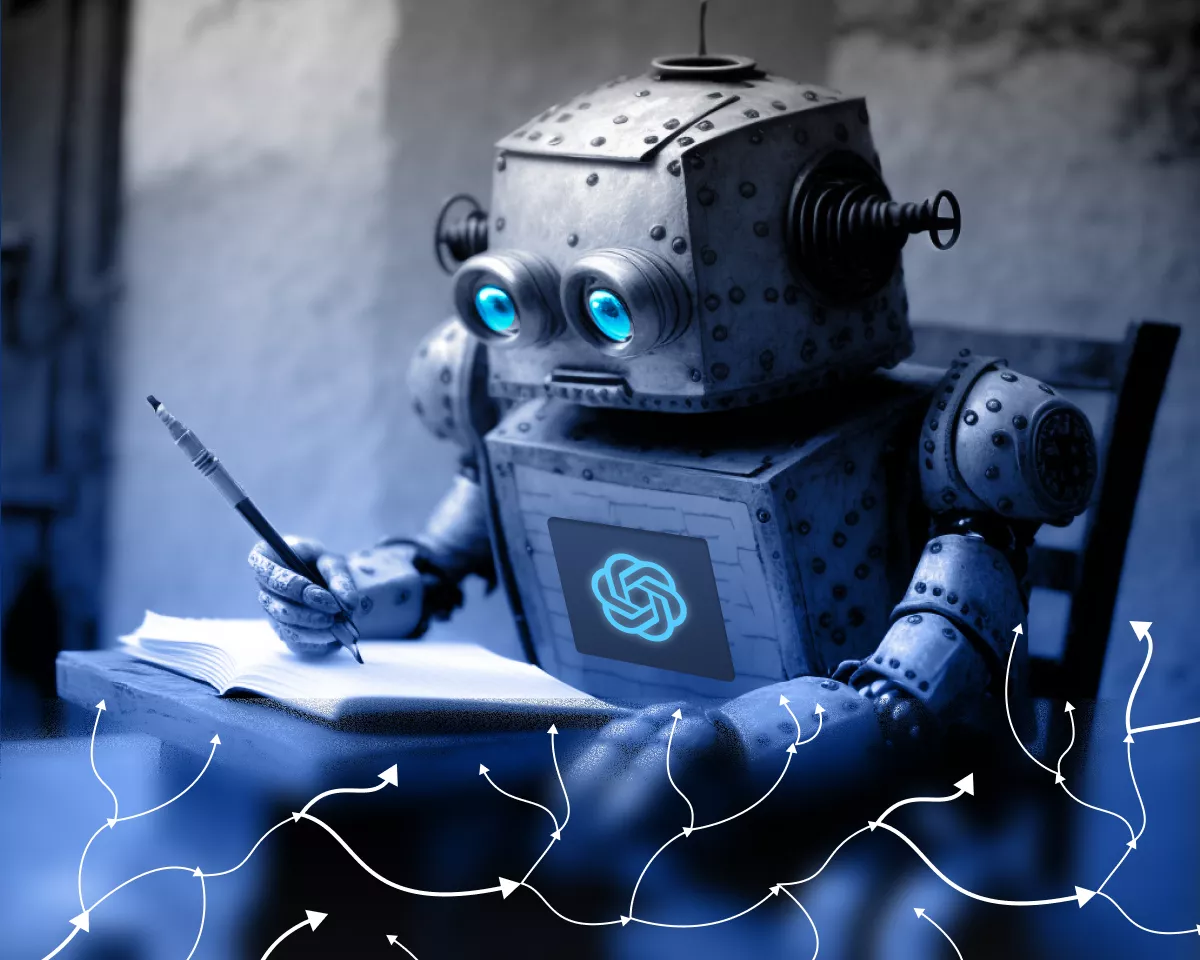
OpenAI is working on a system of autonomous AI assistants capable of managing a user’s device to perform specific tasks, according to sources cited by The Information.
This initiative marks a logical transition from generative AI chatbots like ChatGPT to action agents.
The former are designed to create texts, images, audio, and video. To enable such a model to perform actions in the real world, developers must integrate them with external applications that adapt the AI’s output into a programmable executable file.
According to the publication, the technology underpinning most intelligent assistants is not as reliable as what powers ChatGPT and Google’s Gemini.
Utilizing a large language model in creating virtual assistants will expand the potential for their autonomous actions compared to current-generation counterparts. The Information cites an example where a user asks the system to copy data from one platform to another.
Journalists claim that with sufficient permissions, such an AI system could perform any action on behalf of a person, such as scrolling, tapping, clicking, double-clicking, typing text, and even solving CAPTCHA puzzles.
System Risks
The publication noted that further development of the technology will exacerbate privacy and security issues.
Modern generative AI systems require connection to cloud computing services. While some functions can run on laptops and smartphones, it is unlikely that an AI action agent could operate solely on a specialized embedded chip.
The article states that an autonomous AI assistant system will not only provide unlimited access to private information but also represent a new critical cyber threat with global implications.
OpenAI’s Growth
According to the Financial Times, OpenAI has become one of the fastest-growing tech companies in history, joining firms that reached seven-figure revenue within the first ten years of founding. Previously, Meta and Google achieved this status.
The organization’s annual revenue exceeded $2 billion, and sources suggest this figure could more than double within a year.
According to founder Sam Altman, in November, 92% of Fortune 500 companies used OpenAI products, and ChatGPT had a weekly audience of 100 million users.
The entrepreneur stated that the company remains unprofitable due to significant costs in creating and operating its models. Expenses are expected to continue outpacing revenue growth, necessitating the raising of tens of billions of dollars.
In 2023, Microsoft struck a deal with OpenAI, valued by media at $10 billion. The project’s developments later appeared in the tech giant’s products, including GPT-4 in the Bing search engine.
OK, Google?
On February 8, it was announced that Google’s Bard chatbot had been rebranded as Gemini. The tech giant also launched an update to Gemini Advanced.
According to the blog, the premium version offers better understanding of the context of previous queries, enabling longer and more detailed conversations. The chatbot can become a personal mentor, assist with advanced programming, and brainstorm creative projects.
Google CEO Sundar Pichai stated that the technology behind Gemini Advanced will eventually be able to outsmart even the most intelligent people in solving many complex topics.
“The largest model, Ultra 1.0, was the first to surpass experts in MMLU (massive multitask language understanding), which uses a combination of 57 subjects, including mathematics, physics, history, law, medicine, and ethics,” he explained.
Gemini Advanced is available through the new Google One AI Premium subscription for $20 per month. It will soon be integrated into Google services like Gmail, Docs, Sheets, and Slides.
On February 8, Google launched a new app Gemini for Android and iOS in the US. It will later be available in other countries.
The mobile version of the chatbot can create photo captions, answer questions about articles, make calls, and control smart home devices. It is positioned as a conversational multimodal AI assistant.
“We are working with local regulators to ensure compliance with local requirements,” commented Sissie Hsiao, Vice President and General Manager of Google Assistant and Bard.
Earlier in February, Apple CEO Tim Cook hinted at the introduction of artificial intelligence in the company’s products “later this year.”
In September, Meta introduced a set of AI tools, including a voice assistant, neural networks with various personalities, “smart glasses,” and a sticker generator.
Рассылки ForkLog: держите руку на пульсе биткоин-индустрии!