Telegram (AI) YouTube Facebook X
Ру
A metaverse of metaverses—and other AR/VR projects you may have missed

A metaverse of metaverses—and other AR/VR projects you may have missed

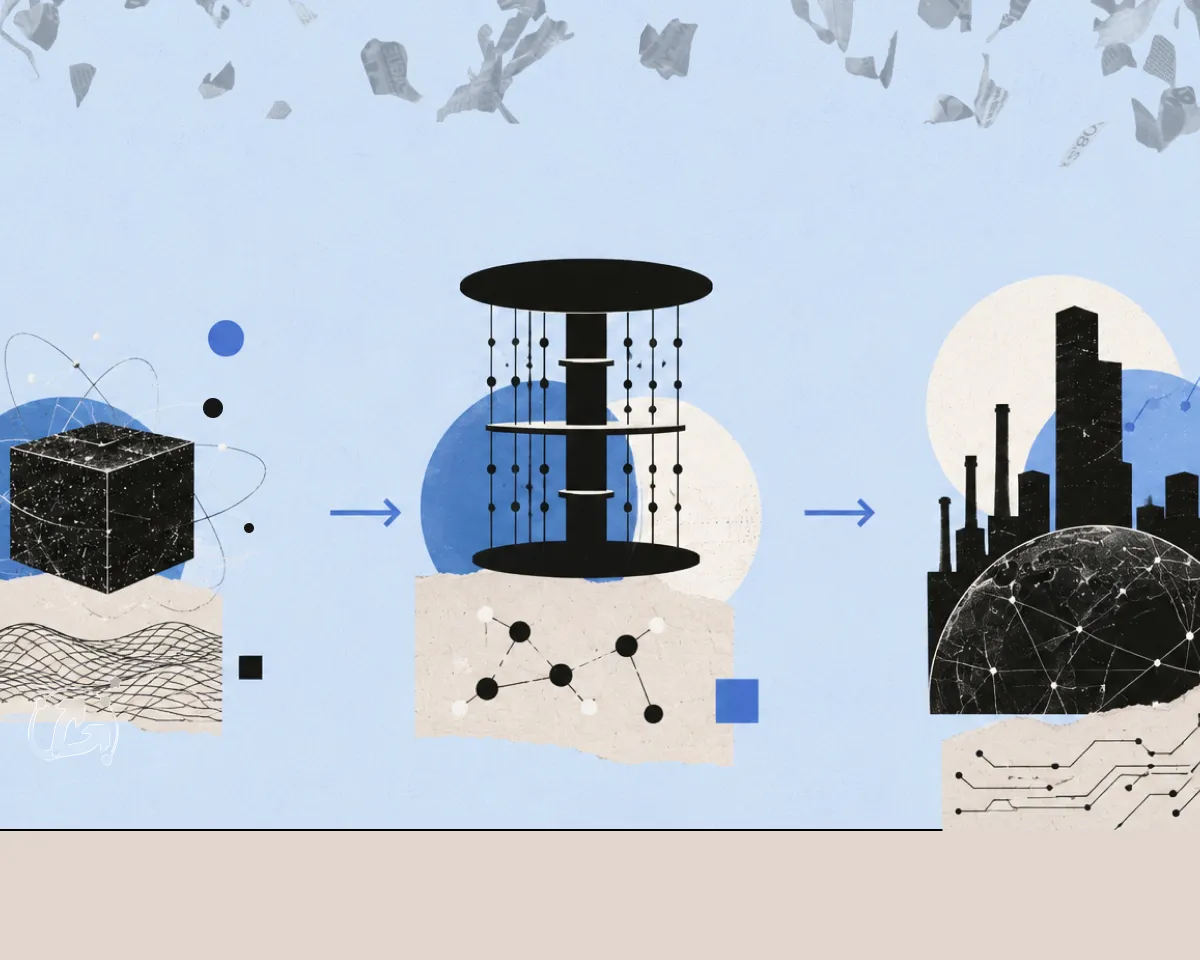
Augmented (AR) and virtual reality (VR) continue to reshape the digital economy as they converge with blockchain technologies. Metaverses, game projects and Web3-based platforms are forging new models for virtual-asset ownership, content monetisation and online interaction.

2024 brought several notable developments: investment into GameFi, progress in metaverse infrastructure, the launch of high-performance blockchains for AR/VR and the emergence of ambitious projects at the intersection of virtual reality and Web3. What happened in the AR/VR market—and how the two fields interacted—is surveyed here by Lina Valitova.

GameFi is luring investors again

Up to the third quarter of 2023, investment in GameFi was falling; the trend then reversed and rose through 2024. Andreessen Horowitz (a16z) gave the sector a lift — in April it announced plans to invest $30m in game start-ups focused on advanced technologies, including artificial intelligence, virtual and augmented reality, and Web3. To deploy the capital, it created the early-stage accelerator programme SPEEDRUN, under which each participating start-up receives $750,000.

A metaverse of metaverses—and other AR/VR projects you may have missed
Data: Cointelegraph.

In 2024 a large number of games were announced — the result of years of development after the previous bull cycle. Studios have been reworking business models to attract and retain players amid intensifying competition.

For example, the Illuvium team proposed a new revenue-distribution model.

“All in-game revenue […] is used to buy back ILV tokens on the market. They are then distributed to users who participate in staking. The longer a token holder participates in staking, the larger the reward they receive at each distribution,” said Illuvium co-founder and CEO Kieran Warwick.

In March 2024 the platform raised $12m to launch the game.

From the coiner of the term “metaverse”

The term “metaverse” was first described by the American science-fiction writer Neal Stephenson in the novel Snow Crash. In August 2024 Lamina1, a protocol founded by the author together with New Zealand’s Wētā Workshop, announced the launch of the Artefact project. Wētā Workshop is known for video-game development and film visual effects, including The Lord of the Rings and The Hobbit.

Artefact aims to build infrastructure for intellectual-property development and collaborative world-building. The blockchain protocol will allow creators and fans to expand the lore and mythology from Stephenson’s works together. He noted that this is not just another metaverse but a new methodology of world design, offering creators and communities promising opportunities.

The project’s CEO, Rebecca Barkin, said Artefact is a persistent virtual environment that allows participation in various stories and games — both linear and non-linear. No VR headset is required, making the metaverse more accessible to a broad audience.

Somnia blockchain

In October 2024 Improbable, a company specialising in building metaverses, announced the launch of the devnet phase of the Somnia layer-1 blockchain. It is designed to support mass consumer applications such as games, social platforms and decentralised finance services.

The blockchain can process more than 400,000 transactions per second with sub-second latency and low fees. It is compatible with the Ethereum Virtual Machine, allowing developers to migrate existing dapps to the new platform with ease.

Somnia’s throughput enables interactive applications, including games with complex economic systems and large user bases.

The token market

Unlike hyped, speculative corners of crypto such as memecoins, the AR/VR-token market has shown little movement. According to CoinGecko data from 12 February 2025, the combined value of the top AR coins is roughly $55.4m.

A metaverse of metaverses—and other AR/VR projects you may have missed
Data: CoinGecko.

Heading the list is MOC, the token of Mossland, with a market capitalisation of $36.2m. It is a mobile AR game with geolocation mechanics built around the concept of virtual real estate. Users can find nearby real-world objects and buy and sell them in the ecosystem’s digital space.

A metaverse of metaverses—and other AR/VR projects you may have missed
Information on the MOC token. Data: CoinGecko.

As of 12 February 2025, the combined value of the top VR tokens is $150.7m.

A metaverse of metaverses—and other AR/VR projects you may have missed
Data: CoinGecko.

Top of the list is the token of PAAL AI, a project aimed at integrating artificial intelligence into the blockchain ecosystem. PAAL is the primary medium of exchange within the platform, supporting various AI-oriented applications and services. As of 11 February 2025, PAAL is priced at $0.1581 with a market capitalisation of $139.2m.

A metaverse of metaverses—and other AR/VR projects you may have missed
Information on the PAAL token. Data: CoinGecko.

Blockchain: the missing link for AR and VR

Not long ago virtual and augmented reality were closer to science fiction; today they are racing into the digital economy. Statista forecasts that the consumer VR market will grow from less than $16bn in 2024 to more than $18bn by the end of 2025, mainly on the back of gaming, training and corporate collaboration for remote workforces.

Blockchain and AR/VR together form a foundation for a new digital economy. Virtual worlds and augmented reality require transparent ownership mechanisms, secure transactions and decentralised platforms — tasks for which distributed ledgers are well suited.

Blockchain technology makes it possible to anchor property rights to virtual objects — from in-game items to digital real estate and unique AR artefacts. Thanks to NFTs, users get not just access to content but verifiable, tamper-proof ownership, making digital assets a full-fledged part of the Web3 economy.

Another important advantage is decentralisation. AR and VR projects on blockchains allow creators to monetise their work directly, bypassing intermediaries. That lowers costs, increases autonomy and makes digital universes genuinely user-centric.

Blockchain’s security and transparency also strengthen trust in digital ecosystems, ensuring protected transactions and curbing fraud. And the ability to move assets freely between different metaverses and AR platforms broadens the user experience, making the virtual world more connected and economically resilient.

The interaction of blockchain and AR/VR is not just a trend but a logical step in the evolution of digital spaces. Together these technologies are creating an ecosystem where virtual property, economic activity and user interactions reach a new level, shaping the future of the digital world.

Подписывайтесь на ForkLog в социальных сетях

Telegram (основной канал) Facebook X
Нашли ошибку в тексте? Выделите ее и нажмите CTRL+ENTER

Рассылки ForkLog: держите руку на пульсе биткоин-индустрии!

We use cookies to improve the quality of our service.

By using this website, you agree to the Privacy policy.

OK