OneLiners
Trump Backs Oversight of Prediction Markets
US President Donald Trump stated that oversight of prediction markets should remain under the exclusive jurisdiction of the CFTC. Currently, the regulator is challenging through the courts the attempts by states, including Minnesota and New York, to restrict such contracts at the local legislative level.Bitcoin Drops to $75,000 as Market Awaits ‘Golden Cross’
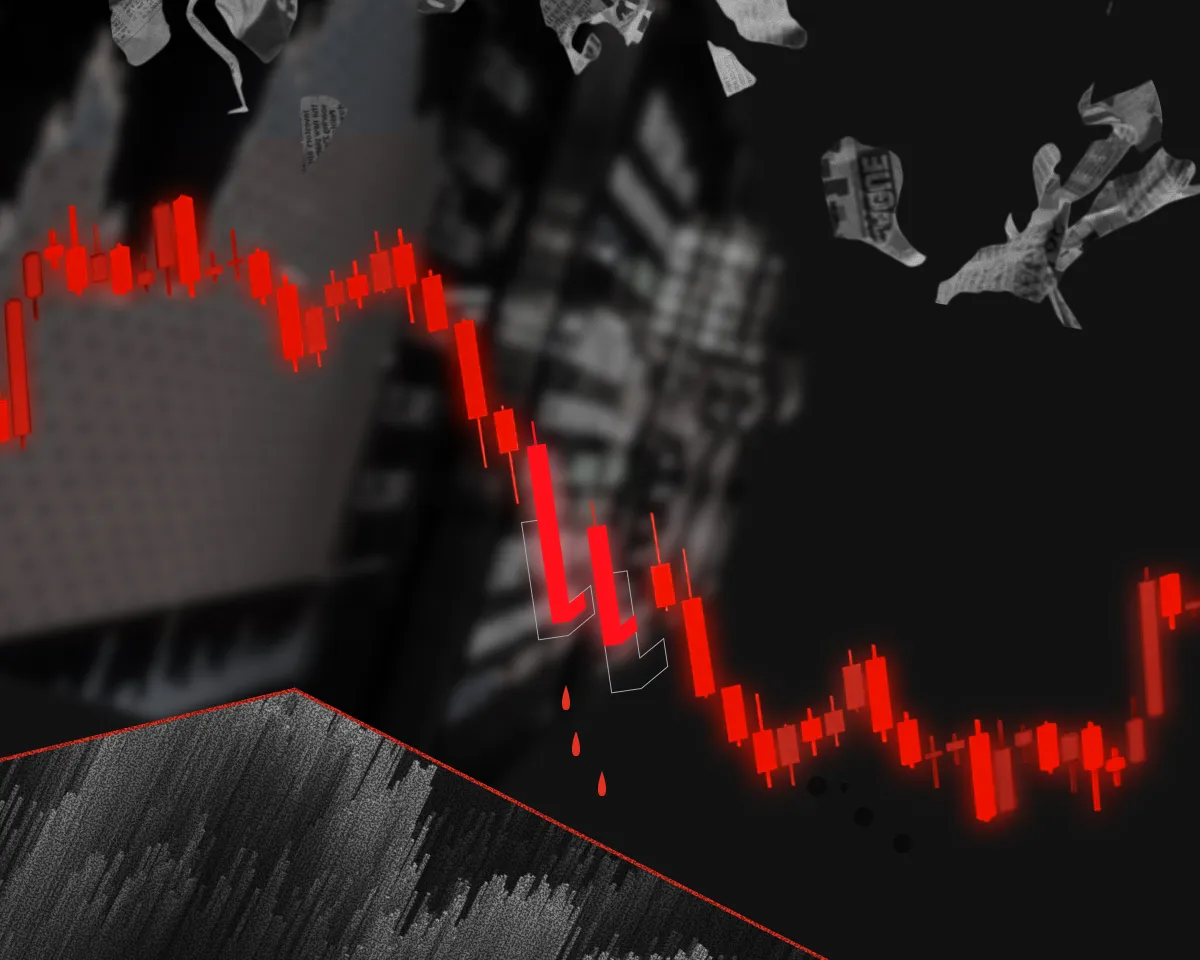
On May 27, the leading cryptocurrency fell to approximately $75,000, a decline of 2.5% over the day. Traders are monitoring the potential formation of a 'golden cross'—a signal where the 50-day moving average crosses the 200-day moving average from below. Meanwhile, ZEC emerged as the main underperformer among major crypto assets, losing about 9%.Micron Technology Joins the Trillion-Dollar Club
Micron Technology has reached a market capitalization of $1 trillion for the first time amid a boom in AI infrastructure. Shares surged by 19.3% in a single day. The rally was fueled by record demand for RAM, a complete sell-out of HBM supplies for 2026, and UBS raising its target to $1625.Iran Restores Internet Access After 88-Day Blackout
Iran has partially restored access to the global internet following an almost 88-day complete shutdown. The situation was described as the longest nationwide blackout. According to The Guardian, traffic in the country remains below 10% of normal levels.We use cookies to improve the quality of our service.
By using this website, you agree to the Privacy policy.