



Study Reveals Gen Z Spends Cryptocurrency on Gaming, Millennials on Real Estate
Generation Z is more likely than others to use cryptocurrency for everyday expenses. Older users prefer to spend digital assets on major purchases, according to a survey by Bitget Wallet.
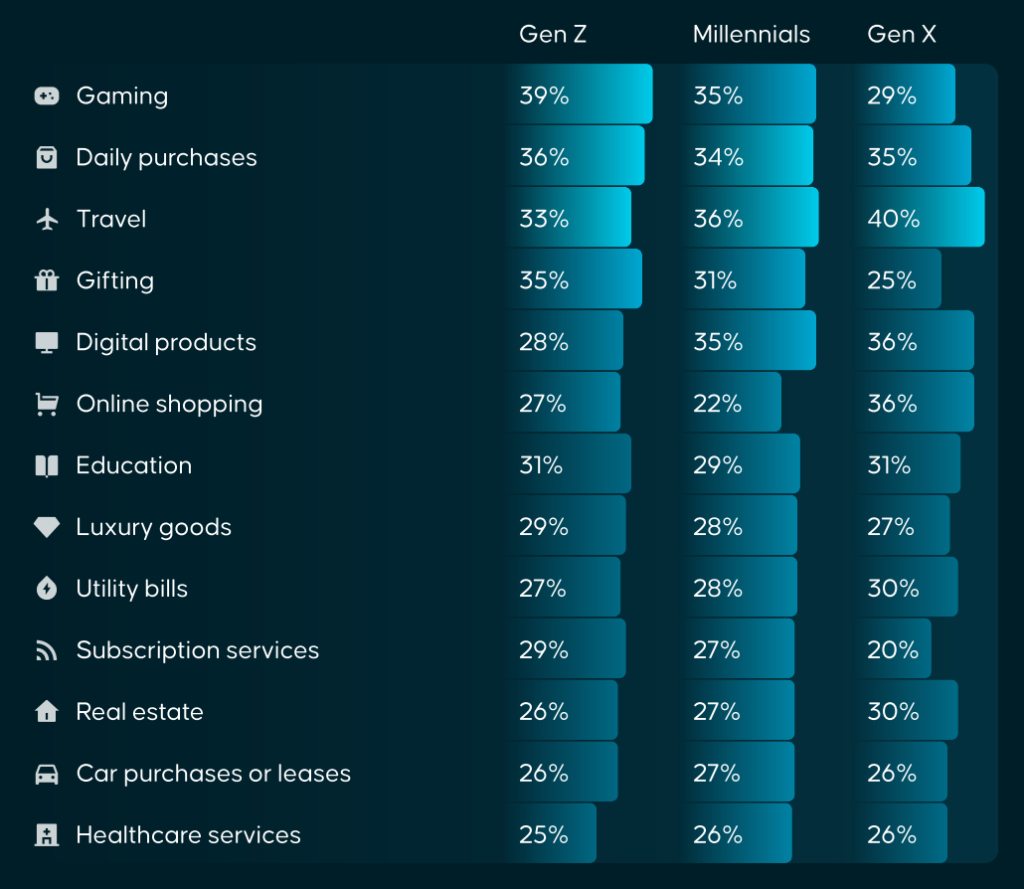
Bitget Wallet conducted a survey among 4,599 individuals from three generations to better understand their age-related consumer habits.
The findings reveal that young people (18-29 years old) actively spend cryptocurrencies on gaming (36%), everyday expenses, and travel bookings (35%). Millennials (30–44 years old) use virtual assets to purchase a wide range of items, from subscriptions to airline tickets. Generation X (45–60 years old) prefers major purchases: 40% use digital assets for expensive household appliances and even real estate.
“QR codes for small businesses and card integration for major retailers allow crypto payments to fit into familiar consumer habits, avoiding the complexities of exchanges,” noted Bitget Wallet’s Chief Marketing Officer Jamie Elkaale in a comment to Cointelegraph.
Regional Differences
In Southeast Asia, 41% of users spend cryptocurrencies on gaming and gifts. In East Asia, everyday purchases and digital goods lead at 41%, the highest rate globally.
In Africa, 38% use cryptocurrencies for education payments, mainly through cross-border transfers due to underdeveloped banking infrastructure.
In Latin America, 38% purchase digital goods, while another 35% shop online. In the Middle East, luxury is popular: 31% prefer to spend virtual assets on expensive goods, and 29% on cars.
Where Cryptocurrency Payments Are Accepted
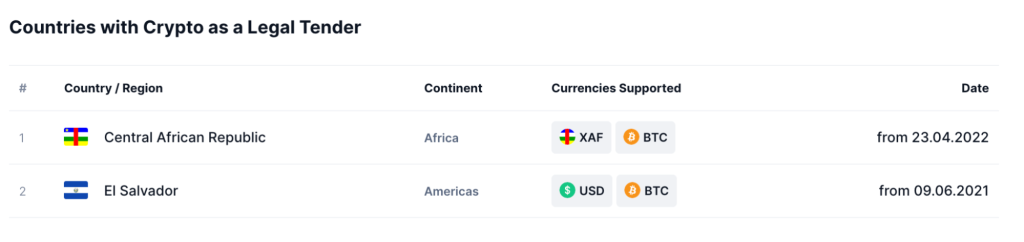
As of 2025, only two countries have legally allowed citizens to pay with Bitcoin: El Salvador and the Central African Republic (CAR), according to CoinMarketCap.
In the United States and many European Union countries, cryptocurrency is used by individual companies but is not an official means of payment. For instance, in the States, Bitcoin is accepted by Tesla, PayPal, and Microsoft. In Europe, some shops and services support crypto payments through platforms like BitPay.
Earlier, Thailand tested a sandbox to allow tourists to pay with digital assets nationwide. Bhutan has already implemented a similar initiative—the local government has introduced the Binance Pay service for accepting cryptocurrencies in the tourism sector.
In February 2024, authorities in Torrevieja, a city in Spain’s Alicante province, permitted local shops to accept payments in digital assets.
Рассылки ForkLog: держите руку на пульсе биткоин-индустрии!