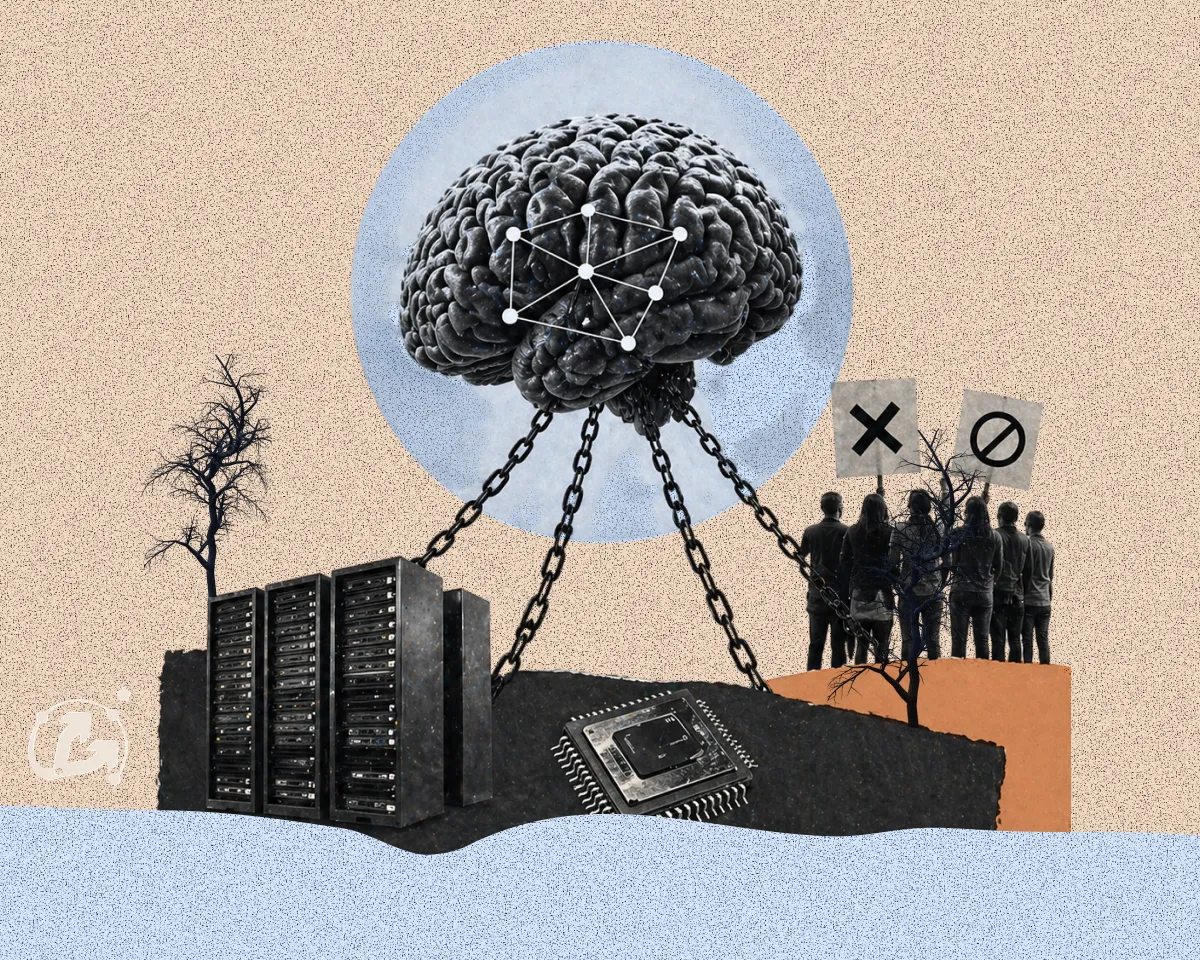
US House folds CBDC ban into 2026 defence bill
The Federal Reserve would be barred from testing, developing or implementing a digital dollar.
US lawmakers have inserted a ban on issuing a central bank digital currency (the Anti-CBDC Act) into the draft defence budget for 2026. This is stated in the text of bill H.R. 3838, published on the website of the US Congress.
Federal Reserve would be barred from testing, developing or implementing a CBDC. An exception is made for “currencies denominated in dollars, which are open, permissionless and provide privacy protections comparable to US cash.”
Republican Majority Whip Tom Emmer earlier said the bill would prevent bureaucrats from “trading Americans’ financial privacy for a CCP-style surveillance tool.”
Attaching our Anti-CBDC Surveillance State Act to the NDAA will ensure unelected bureaucrats are NEVER allowed to trade Americans’ financial privacy for a CCP-style surveillance tool. @POTUS has made it clear: our legislation is a key piece of our America First agenda, and we…
— Tom Emmer (@GOPMajorityWhip) July 17, 2025
Opposition to a CBDC in the US is largely a Republican cause. Emmer tried a similar push in 2023 but failed to secure enough support.
After President Donald Trump took office, the Anti-CBDC Act was revised and re-introduced in the Senate.
What about a digital euro?
Meanwhile, sources told the Financial Times that the European Central Bank (ECB) is considering launching a digital euro on the Ethereum and Solana networks. There was no official confirmation from the regulator at the time of writing.
According to one participant in discussions on the virtual national currency, European regulators have begun to consider using a public blockchain more seriously. Another source added that a digital euro would look more like the digital yuan than private-sector developments in the US.
China’s CBDC runs on a private blockchain, whereas American stablecoins run on public ones.
The European Union’s approach is linked to concerns over the dominance of dollar-pegged “stablecoins,” especially in light of the passage of the GENIUS Act. They currently account for 98% of the market.
In April, ECB Executive Board member Piero Cipollone called for limiting the use of stablecoins in the region and replacing them with a virtual version of the national currency.
The digital euro is planned for launch by October 2025, provided the necessary regulatory framework is adopted, ECB chief Christine Lagarde said earlier. The project requires the consent of the European Parliament, the Council of the EU and the European Commission.
Even so, eurozone citizens show little interest in a digital euro and do not consider a CBDC a significant instrument.
Asia pivots to stablecoins
In June, South Korea scrapped its CBDC pilot. Instead, the country decided to develop won-pegged stablecoins.
On August 18, it emerged that the local Financial Services Commission will unveil a document regulating “stablecoins” in October. The initiative will set requirements for issuance, reserve management and internal risk-control systems.
Japan is taking a similar path: it plans to approve the issuance of the first yen-based stablecoin in autumn 2025. Over three years, issuer JPYC plans to issue assets worth ¥1 trillion ($6.78bn). Several hedge funds are already interested in the project.
On July 29, the Hong Kong Monetary Authority (HKMA) published final rules for regulating the “stablecoin” market. The law took effect on August 1. Several companies, including JD.com and Ant Group, have already applied for licences to issue stablecoins.
On August 20, media reported that China’s government is considering allowing the use of yuan-backed “stablecoins.”
Expert views
Web3 researcher Vladimir Menaskop explained to ForkLog why, in the US—the global leader in private digital finance—there is resistance to central-bank virtual currencies:
“CBDCs are a mechanism of suppression and control. The United States does not need it, because it is not their method, but China’s. The country needs a pseudo-free market to which it is accustomed, so we see the growth of stablecoins there and their support. This is strategic.”
In his view, in liberal democracies such as the US, Switzerland or England, it is hard to persuade people of the benefits of the technology.
Menaskop believes the United States loses nothing by forgoing a digital dollar. While the world chases virtual national currencies, the country is formally “losing the race,” but in practice retains influence through private stablecoins.
“A CBDC is a fragile system, whereas, for example, cryptocurrency is anti-fragile. Therefore, in this financial ‘arms’ race, I would bet on those who work against the camp of states, because this is both long-term, and promising, and wise,” the expert concluded.
Libertarian economist Yevgeny Romanenko linked resistance to CBDCs to the healthy elements of US society who realise that this technology is “fiat 2.0.” In his words, the United States is avoiding a “digital GULAG” in the style of China or Russia.
“CBDCs are a tool for continuing the plunder of society by the state, just like the fiat system of the 20th century, only much worse. Accordingly, from the point of view of the EU authorities, a digital national currency is a good, while for Europeans it is an evil. The US authorities, represented by the ‘left,’ that is, the Democrats, would like it as in the European Union. But they are opposed by the healthy part of society, which understands that one should not help the robber to rob oneself,” he said.
Рассылки ForkLog: держите руку на пульсе биткоин-индустрии!