Telegram (AI) YouTube Facebook X
Ру
El Salvador Shields Its 6284 BTC from Quantum Threat

El Salvador Shields Its 6284 BTC from Quantum Threat

El Salvador distributes its 6284 BTC reserve across new addresses to counter quantum threats.

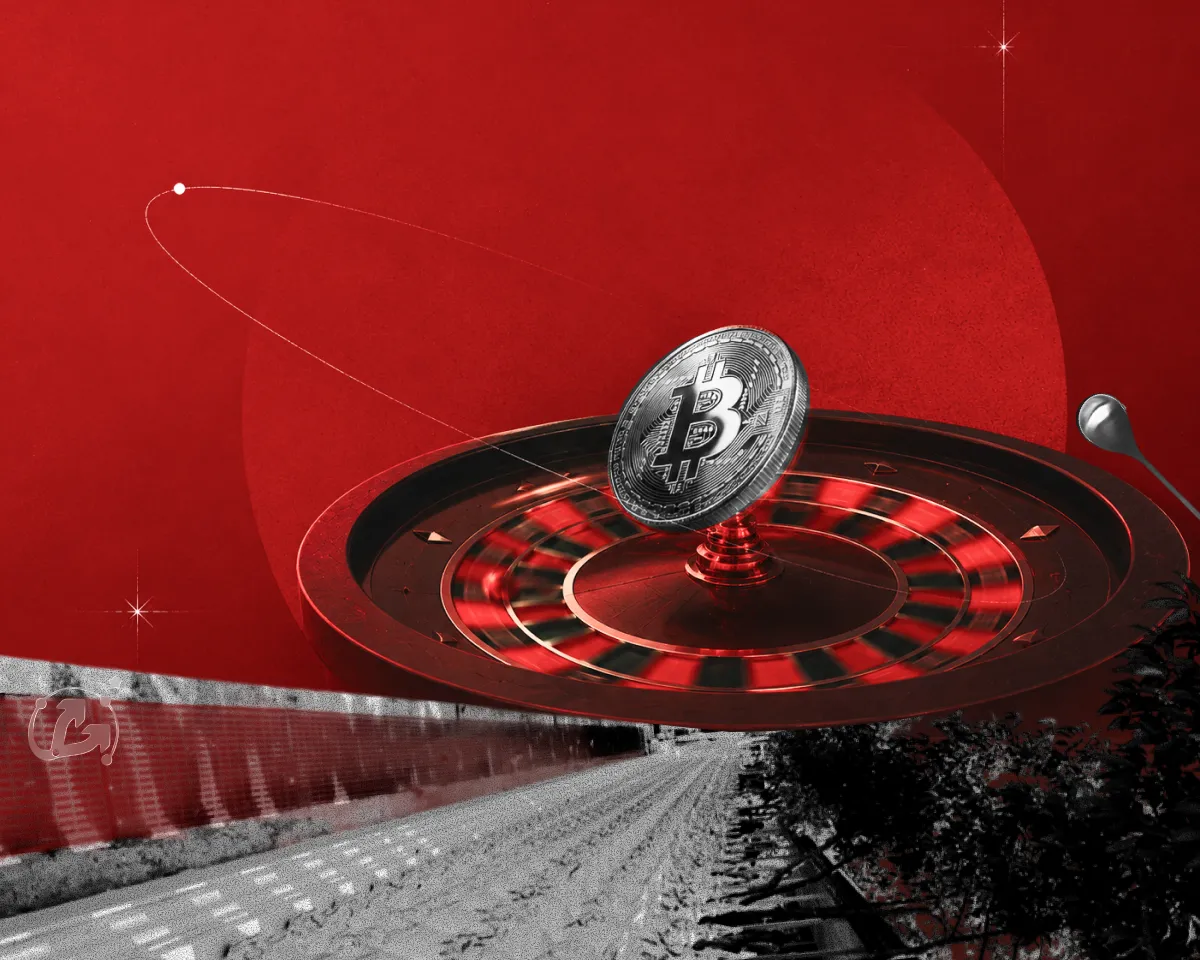
The government of El Salvador has distributed its National Strategic Bitcoin Reserve, amounting to 6284 BTC (~$680 million), across 14 new addresses due to potential threats from quantum computing.

The coins have been distributed across wallets, each containing up to 500 BTC.

“Limiting funds on each address reduces exposure to quantum threats,” stated the country’s Bitcoin Office.

According to the office’s explanations, spending from a Bitcoin address reveals the public key, posing a risk of private key compromise given advances in computing technology. Storing assets in a single used wallet theoretically provided a potential attacker with unlimited time to compute the data.

“Now, thanks to a public dashboard managed by the Bitcoin Office capable of tracking multiple wallets, the reserve can maintain transparency without reusing addresses, enhancing security,” the statement said.

This approach combines storage diversification and limits the potential impact on the reserve from hacking threats, authorities believe.

Quantum Risks

In June, specialists from the research organization Chaincode Labs published a report on the potential threats of quantum computers to Bitcoin. They estimate that 20% to 50% of all coins in circulation, or 4-10 million BTC, are at risk.

According to Project Eleven, this concerns 1.1 million BTC attributed to Satoshi Nakamoto, assets with lost private keys (2-3 million BTC), and addresses with exposed public keys due to reuse.

Tether CEO Paolo Ardoino also did not rule out that Satoshi’s bitcoins could be hacked and returned to circulation. However, along with many other experts, he believes that quantum computing will only allow this in the distant future.

Yet, some believe that hacking will become possible much sooner than commonly thought.

The issue of the fate of quantum-vulnerable funds has already divided the community into two camps. Casa co-founder Jameson Lopp suggested burning the assets at risk of hacking. Opponents of this step point to the violation of property rights of coin owners if implemented.

Meanwhile, Bitcoin developers are considering various ways to protect against the quantum threat, such as reintroducing the OP_CAT opcode, disabled by Satoshi in 2010.

Back in October 2024, Chinese scientists conducted the “world’s first effective attack” on a widely used encryption algorithm using a quantum computer.

Later, experts claimed that the mentioned threat to cryptocurrencies was exaggerated.

Подписывайтесь на ForkLog в социальных сетях

Telegram (основной канал) Facebook X
Нашли ошибку в тексте? Выделите ее и нажмите CTRL+ENTER

Рассылки ForkLog: держите руку на пульсе биткоин-индустрии!

We use cookies to improve the quality of our service.

By using this website, you agree to the Privacy policy.

OK