OneLiners
Indians Train Robots and AI with Video Tutorials
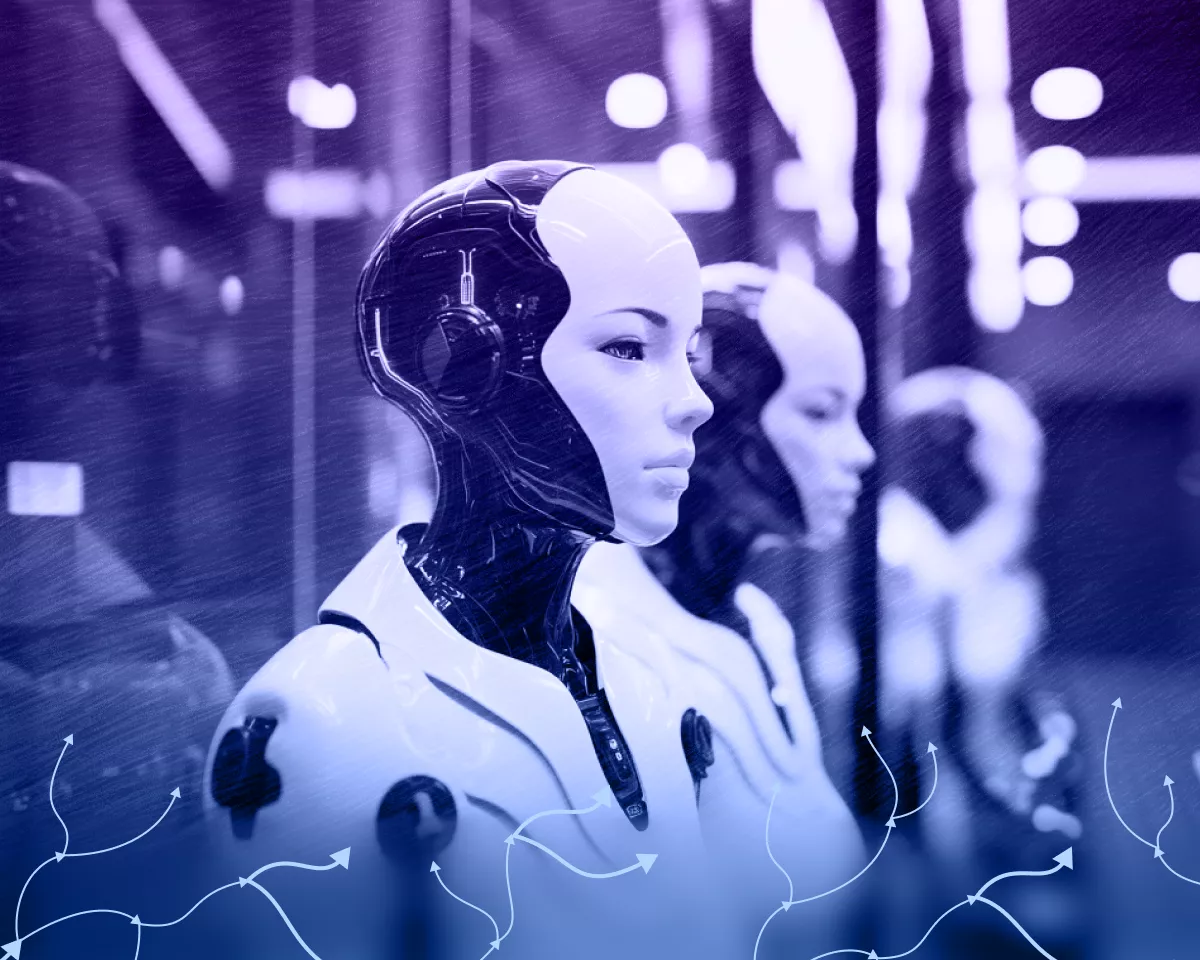
Workers in India have started filming first-person videos to train AI and humanoid robots for companies like Tesla and Figure AI. The market for such data ranges from 100 million to 1 billion hours of recordings, and project participants are sometimes unaware of the purpose of the materials.IQM Secures $146 Million in Funding Ahead of IPO
Finnish quantum company IQM and SPAC entity Real Asset Acquisition Corp. have increased their PIPE financing from $134 million to $146 million, thanks to a new commitment from Ilmarinen. The funds will be used to advance technology and commercial operations ahead of their listing on Nasdaq and the Helsinki Stock Exchange.Nous Research Unveils Self-Learning AI Agent
The open-source AI agent Hermes from Nous Research has been equipped with memory, retained skills, a task scheduler, and support for Telegram, Slack, and other channels. The solution also features a new desktop client for macOS and Windows, simplifying the launch and operation of the personal assistant on one's own infrastructure.BDx Expands Capacity by 1.2 GW in Indonesia
Singapore-based data center operator BDx has partnered with state-owned energy company PLN, describing it as the largest energy commitment for a data center operator in the country. The project includes several AI campuses with a total capacity of approximately 1.2 GW. BDx's portfolio in the region comprises 18 data centers and 50 edge sites.We use cookies to improve the quality of our service.
By using this website, you agree to the Privacy policy.