Telegram (AI) YouTube Facebook X
Ру
uskoryayushhei-sya-fragmentatsii-mirovogo-interneta

Elon Musk’s Unfulfilled Promises: From Robots to Supercomputers

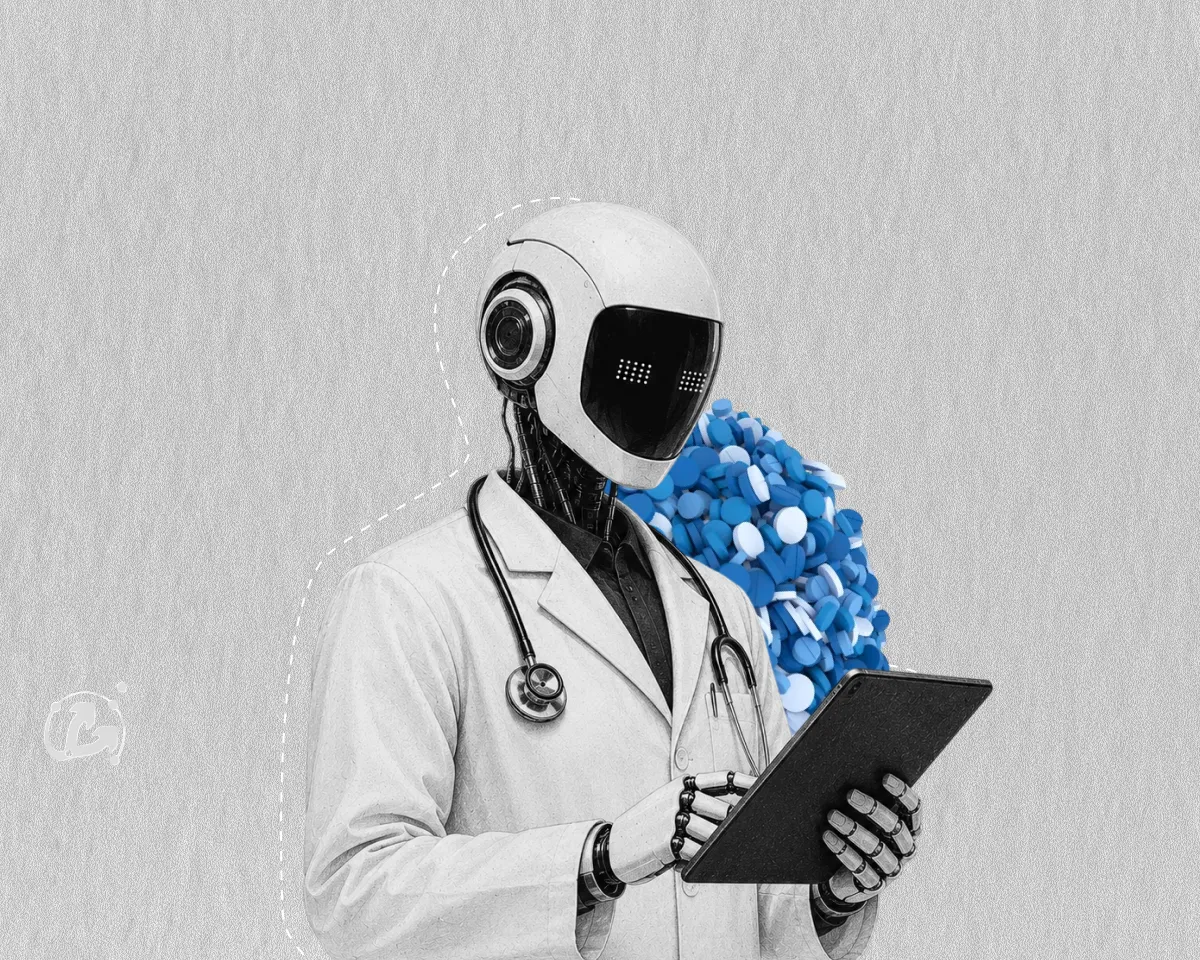
Optimus robots to account for 80% of Tesla's valuation, says Elon Musk.

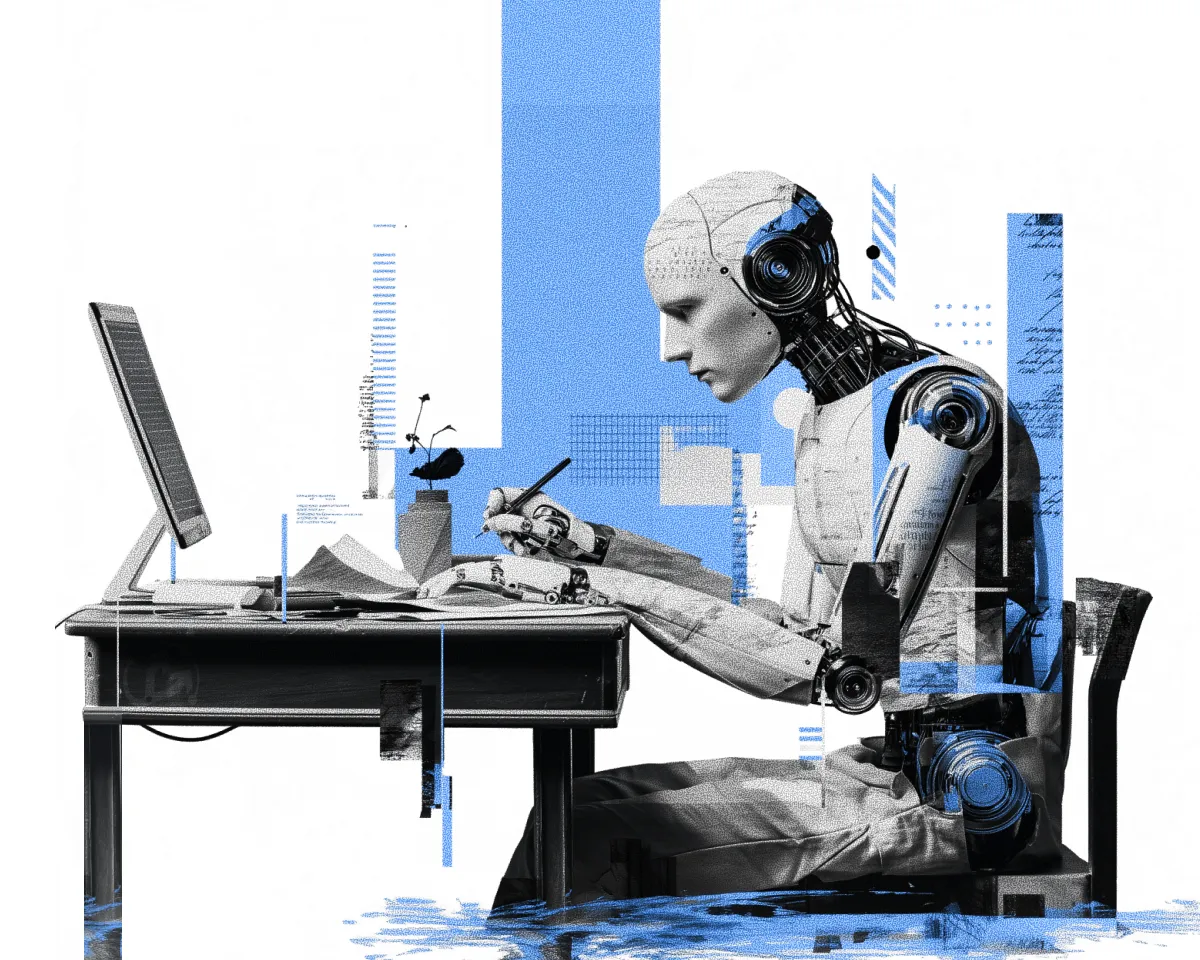
In the future, Optimus robots will account for 80% of Tesla’s valuation, according to the company’s head, Elon Musk.

The entrepreneur is placing a significant bet on the future of bots. In June 2024, he stated that Optimus would boost Tesla’s market capitalization to $25 trillion—more than half the value of all firms in the S&P 500 index at that time. He also promised to create and deploy 1,000 or several thousand robots in 2025.

In April, it was revealed that humanoid production was disrupted due to export restrictions on rare earth metals imposed by Beijing amid escalating trade tensions with Washington.

Unrealized Dreams

In August, Musk announced the closure of the Dojo supercomputer project based on AI and the disbandment of the team after six years of promises to make it a cornerstone of the company’s artificial intelligence ambitions.

For the billionaire, Dojo was extremely important. Back in July 2024, ahead of the October presentation of robotaxis, he stated that Tesla’s AI team would “double down” on developing Dojo.

Just weeks after asserting that Dojo 2—the company’s second supercomputing system based on its own D2 chips—would launch in 2026, Musk changed course, calling the project an “evolutionary dead end.”

A Retrospective

The first mentions of Dojo date back to 2019. On April 22, the company discussed its autopilot and the underlying artificial intelligence technology. The firm shared information about specially designed chips. At that time, Musk hinted at Dojo, positioning the project as a supercomputer for AI training.

Over the following years, the entrepreneur touted the development’s capabilities.

“Dojo—our training supercomputer—will be able to process vast amounts of video data and efficiently run hyperspace arrays with a huge number of parameters, large memory, and ultra-high bandwidth between cores. More on this later,” he stated in 2020.

Recently, Musk and Tesla have scarcely mentioned Dojo. In August 2024, the company began promoting Cortex—a “giant new AI training supercomputer” being built at the firm’s headquarters in Austin.

Musk said Cortex would have “enormous storage for video training of FSD and Optimus.”

In a report for shareholders for the fourth quarter of 2024, Tesla shared updates on Cortex but said nothing about Dojo.

Opinions on the Dojo saga are divided. Some consider it another example of Musk making promises and then failing to deliver. The situation is exacerbated by declining electric vehicle sales and a weak launch of the robotaxi service.

Others argue that the closure of Dojo is not a failure but a strategic move. The company is allegedly shifting away from a risky model of full hardware autonomy to a simpler scheme focusing on partners in chip development.

In July 2025, Musk announced that Grok would appear in Tesla vehicles.

Earlier in June, the company faced an investigation by the National Highway Traffic Safety Administration following alleged violations by autonomous taxis.

Подписывайтесь на ForkLog в социальных сетях

Telegram (основной канал) Facebook X
Нашли ошибку в тексте? Выделите ее и нажмите CTRL+ENTER

Рассылки ForkLog: держите руку на пульсе биткоин-индустрии!

We use cookies to improve the quality of our service.

By using this website, you agree to the Privacy policy.

OK