Telegram (AI) YouTube Facebook X
Ру
Former Wirecard chief executive faces up to 15 years in prison

Former Wirecard chief executive faces up to 15 years in prison

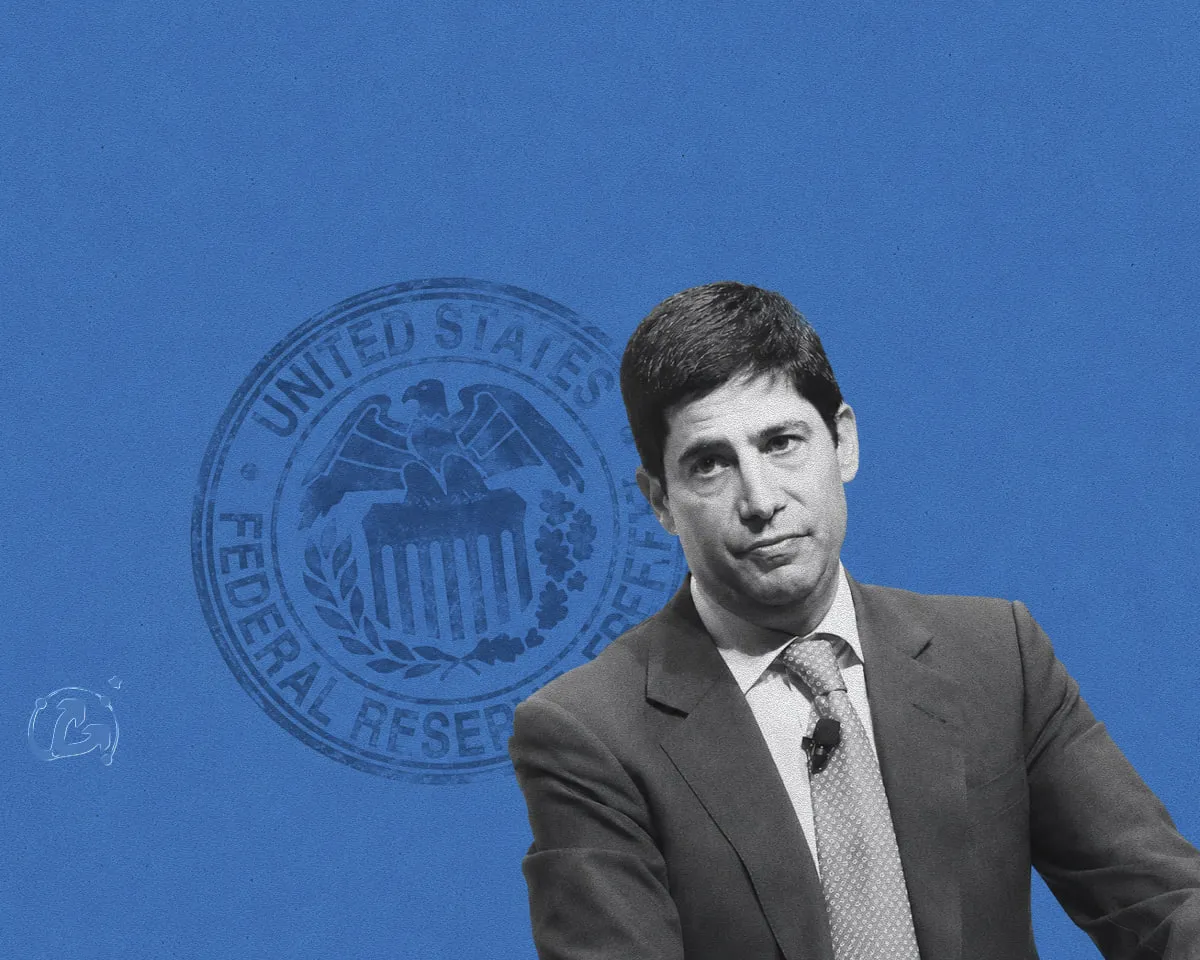
On 10 March, the Munich public prosecutor’s office filed charges against former chief executive Markus Braun of the collapsed German fintech Wirecard, accusing him of fraud, breach of trust, falsification of accounts and market manipulation. He faces up to 15 years in prison, пишет Financial Times.

Braun was initially released on bail in June 2020 and rearrested in July of the same year to prevent flight. The indictment now runs to 474 pages — it is based on statements from about 450 witnesses and suspects, as well as seizures at 40 locations.

At present Braun is the sole defendant among the board. In addition to him, the case includes the former head of accounting, the deputy chief financial officer Stefan von Erffa, and a former executive director from Dubai, whose name is not disclosed because he testified as the principal witness against Braun.

All three are accused of conspiracy to inflate Wirecard’s balance sheet and to create a fictitious outsourcing business in Asia. The investigation alleges that in this way they sought to defraud banks and investors, overstate the company’s share price and conceal the losses of its real operations.

On paper, these enterprises generated half of the group’s annual revenue, all of its operating profit and €1.9 billion of corporate cash held in escrow accounts in Asia.

Braun denies the charges. According to sources, in court he will insist that he himself was a victim of fraud: allegedly the Asian TPA was in good financial standing, but former top manager Jan Marsalek and his associates siphoned off all of Wirecard’s funds through a ‘shadow structure’ without his knowledge.

As key evidence, Braun’s lawyers point to €1.4 billion in payments to outsourcing partners of Wirecard and other offshore entities between 2015 and 2020, about €900 million of which were transferred through Wirecard Bank accounts.

However Visa and Mastercard were unable to locate transactions that, according to Wirecard, had passed through their systems.

The prosecutor suspects that the €1.4 billion payments to outsourcing partners, which Braun regards as evidence of the existence of operations, were in fact shuffled around to simulate real business.

A trial of Braun is expected to start in the autumn. Given the complexity of the case and the number of witnesses, hearings could drag on for years.

In June 2020, Wirecard’s accounts showed a hole of nearly €2 billion in the balance sheet. The company later began bankruptcy proceedings.

Jan Marsalek, once described as the architect of the accounting fraud, went into hiding a few days before Munich prosecutors issued an arrest warrant. On suspicion of organising the flight, a former senior official of the Austrian secret service and a former deputy from the right-wing forces have been arrested.

Marsalek’s whereabouts remain unknown. Some reports place him in Russia.

As part of the Wirecard case, Munich prosecutors are investigating a possible link between the Lithuanian fintech Finolita and the embezzlement of more than €100 million from the payment service in the weeks leading up to its collapse.

Read ForkLog’s bitcoin news in our Telegram — crypto news, prices and analysis.

Подписывайтесь на ForkLog в социальных сетях

Telegram (основной канал) Facebook X
Нашли ошибку в тексте? Выделите ее и нажмите CTRL+ENTER

Рассылки ForkLog: держите руку на пульсе биткоин-индустрии!

We use cookies to improve the quality of our service.

By using this website, you agree to the Privacy policy.

OK