Users Flood Sora with Sam Altman Deepfakes
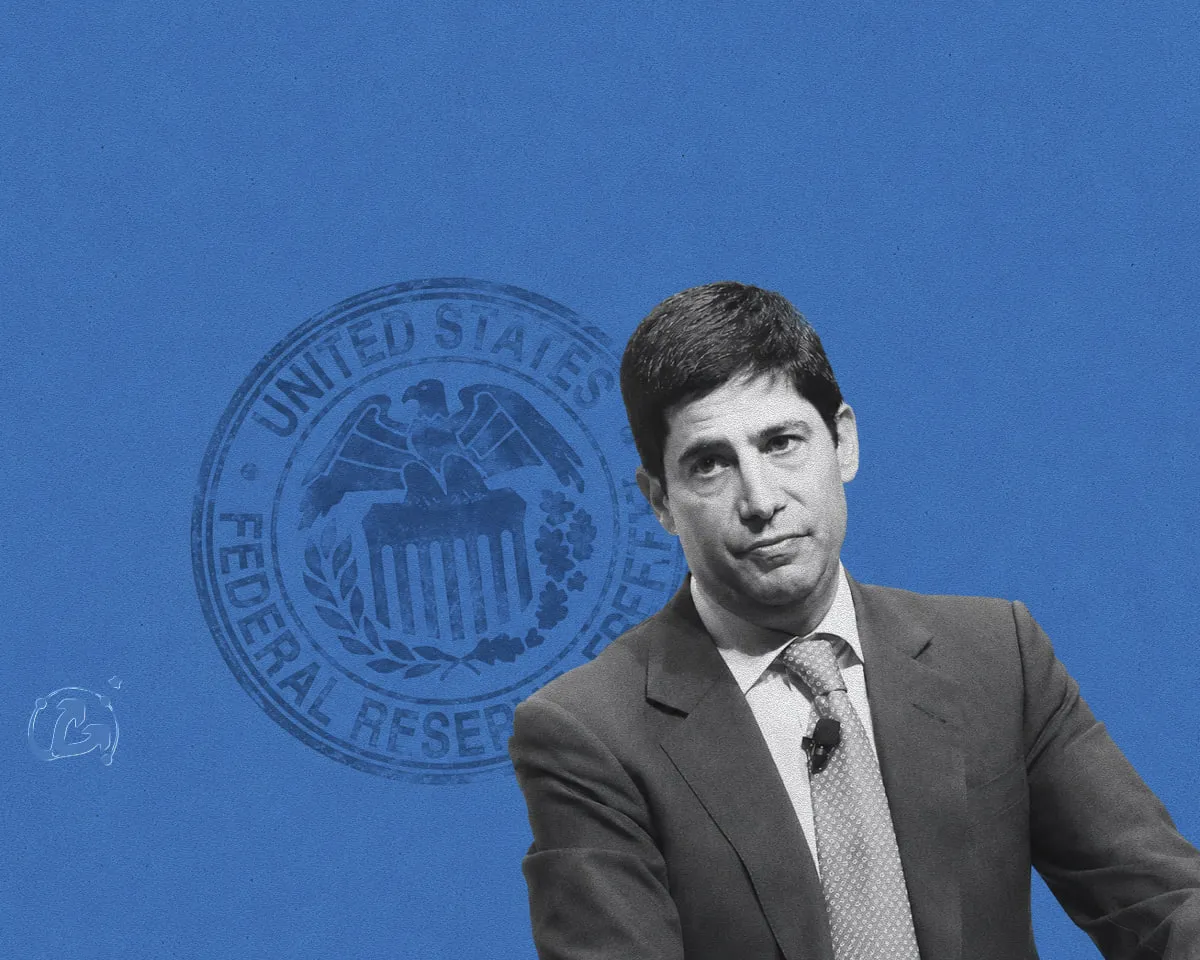
Deepfakes featuring Sam Altman have flooded OpenAI's new app Sora.
Deepfakes featuring Sam Altman have inundated the new social app Sora from OpenAI.
In one video, a factory of pink pigs is shown grunting and snorting in their pens. Each has a trough and a smartphone displaying a feed of vertical videos. The CEO of OpenAI looks directly into the camera and asks:
“Are my piglets happy with their slop?”
In another clip, AI-Altman claims the content may violate third-party image usage rules, then laughs hysterically. The app is filled with content where “Pikachu” whispers ASMR, “Naruto” orders Krabby Patties, and “Mario” smokes weed.
OpenAI has refined the physics in the new AI video generator Sora 2, which underpins the app. Videos now appear more realistic, but this also facilitates the spread of misinformation online.
Besides the algorithmic feed and profiles, a key feature of Sora is the cameo tool. It allows users to upload personal data and use it to create videos.
Users can decide who is allowed to make videos with their cameo. There are four options: “only me,” “people I approve,” “mutual followers,” and “everyone.”
Altman made his cameo available to everyone. As a result, Sora’s feed is filled with videos where “Pikachu” and “SpongeBob” ask the entrepreneur to stop training AI on their images.
The Ethics of Launching
Several current and former OpenAI employees have commented on the company’s first foray into social media.
“AI-based feeds are scary. I won’t deny that I felt some concern when I first learned we were releasing Sora 2. However, I think the team did everything possible to create a positive experience. We will strive to ensure AI helps rather than harms humanity,” wrote John Hallman, a company employee involved in pre-training models.
AI-based feeds are scary. I won’t deny that I felt some concern when I first learned we were releasing Sora 2.
That said, I think the team did the absolute best job they possible could in designing a positive experience. Compared to other platforms, I find myself scrolling way… https://t.co/uLeeVMKncl— John Hallman (@johnohallman) September 30, 2025
He called Sora 2 “an astonishingly incredible technology.”
“I would be equally sad if we never released it due to fears that something might go wrong,” the expert added.
Another OpenAI researcher and Harvard professor, Boaz Barak, experienced “the same mix of anxiety and excitement.”
“Technically, Sora 2 is amazing, but it’s too early to congratulate ourselves on avoiding the pitfalls of other social networks and deepfakes,” he wrote.
Among the positives, he highlighted the noticeable watermark on export, the ability to use only real people through uploaded cameos, and control over how a person’s identity is used.
Altman was criticised for developing a social app with deepfakes instead of general artificial intelligence (AGI). He explained why this is necessary:
“[…] We mainly need capital to build AI capable of doing science, and of course, almost all our research efforts are focused on creating AGI. Meanwhile, it’s nice to show people cool new technologies and products along the way, make them smile, and hopefully make money — given all the computing resource needs. When we launched ChatGPT, there were many questions like ‘who needs this and where is AGI’ […]”
In a June podcast, Altman spoke about “the great mismatch of social networks”:
“One of the big mistakes of the social media era is that feed algorithms had a lot of unintended negative consequences for both society as a whole and individual users. Although they did exactly what the user wanted, or what someone thought they wanted — they kept people spending time on the site.”
Earlier, OpenAI launched a special version of ChatGPT with parental controls for users under 18.
Рассылки ForkLog: держите руку на пульсе биткоин-индустрии!