Standard Chartered Projects RWA Market Capitalization to Reach $2 Trillion by 2028
RWA market value to hit $2 trillion by 2028, driven by stablecoins, says Standard Chartered.
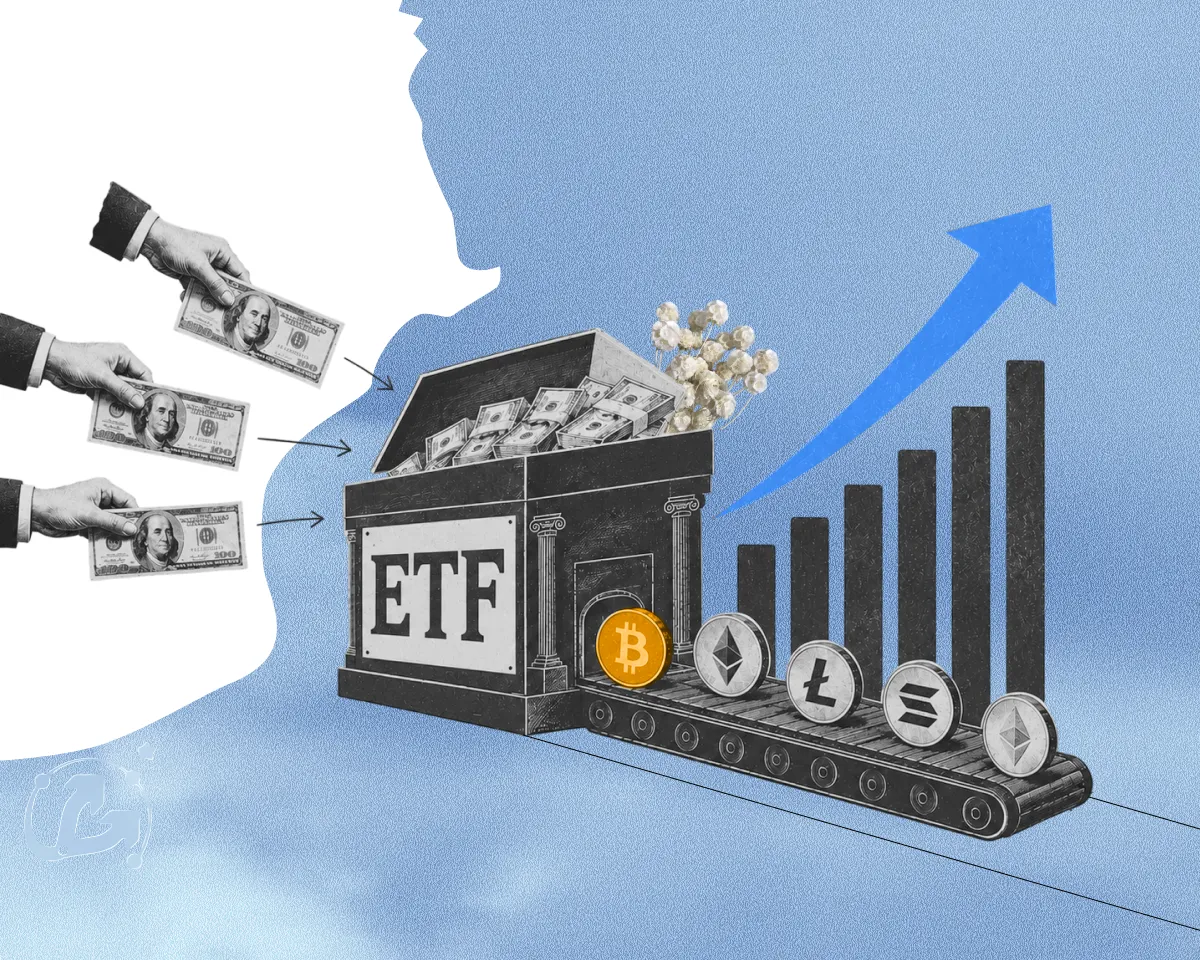
By 2028, the total market value of tokenized real-world assets (RWA), excluding stablecoins, is expected to grow to $2 trillion, according to a report by The Block citing Standard Chartered.
Jeffrey Kendrick, head of digital asset research at the bank, noted that the rise in popularity of stablecoins has laid the groundwork for the segment’s development.
The forecast suggests that most RWA activity will continue to occur on Ethereum due to the blockchain’s reliability. Kendrick emphasized that the network has operated without failures in the mainnet for over 10 years.
“The fact that other blockchains are faster or cheaper, in our view, does not matter,” he said.
In the anticipated $2 trillion market volume of tokenized assets by 2028, the main shares will be:
- money market funds — $750 billion (thanks to corporations using stablecoins);
- tradable company stocks — $750 billion (following the introduction of DeFi regulation in the US);
- less liquid segments of private equity, commodities, corporate debt, and real estate — $250 million.
According to RWA.xyz, the current total on-chain value of the RWA segment is approximately $35.7 billion.
The market capitalization of stablecoins exceeds $300 billion. In April, Standard Chartered specialists also forecasted the growth of this figure to $2 trillion by 2028.
DeFi to Challenge TradFi
During the initial years of decentralized finance, it was primarily used by “crypto natives” for trading, lending, and borrowing, Kendrick noted. However, the growth in the liquidity of the stablecoin market has led to increased activity and the number of assets used in operations.
“Stablecoins have created several necessary prerequisites for the broader adoption of DeFi through three pillars: increased awareness, on-chain liquidity, and lending/borrowing activity in fiat-pegged products,” the expert believes.
In his assessment, DeFi platforms are already capable of competing with TradFi companies in two key areas: lending and RWA.
“If tokenized products can be traded on DEX, it could be disruptive to the operation of stock exchanges,” Kendrick stated.
Additional advantages of decentralized finance include unique options for digital assets such as staking, he added.
According to Kendrick, in DeFi “liquidity generates new products, which in turn produce new liquidity.”
“We believe that a self-sustaining growth cycle has begun,” emphasized the Standard Chartered representative.
The adoption of DeFi in both retail and institutional markets in the US was stimulated by the enactment of the Genius Act, which established a regulatory framework for stablecoins. The Clarity Act, expected in the coming months, will further legalize other operations in the segment, such as tokenization and lending, Kendrick noted.
Analysts at a16z Crypto have assessed that stablecoins are the main driver not only for the adoption of DeFi but also for the acceptance of cryptocurrencies as a whole.
Рассылки ForkLog: держите руку на пульсе биткоин-индустрии!