Bitcoin briefly tests $82,000Bitcoin briefly tops $82,200; altcoins rally with SUI and XRP leading.
Editor's choice
Anchorage Digital to Withdraw from Global Dollar Network Stablecoin InitiativeAnchorage Digital exits Global Dollar Network, ceasing USDG stablecoin promotion.
Circle Raises $222 Million Through ARC Token SaleCircle announced the launch of the ARC token, raising $222 million from investors.
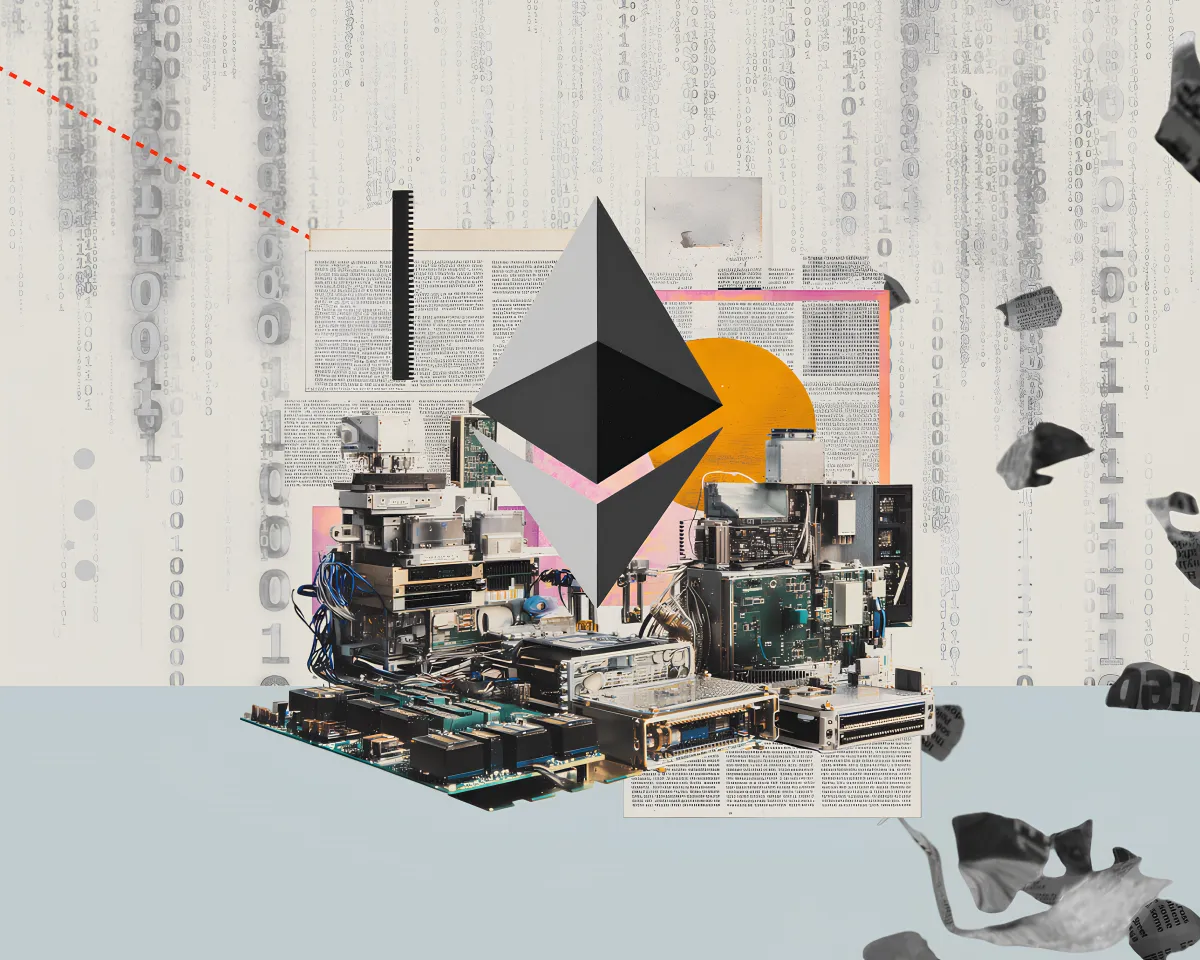
Macro Analyst Describes Ethereum as “Fuel” for AI AgentsJordi Visser sees Ethereum as key for AI agent payments through asset tokenization.
Bitcoin Products Attract $706 Million Amid Six-Week Inflow StreakInflows into crypto products reached $857.9 million from May 4 to 8, marking six weeks of growth.
Is Phemex Safe? Proof of Reserves, Wallet Security and Asset Protection Explained
Web3 will look differentA vibe-coding experiment hints at a different Web3: local apps, open AI and fewer chokepoints.
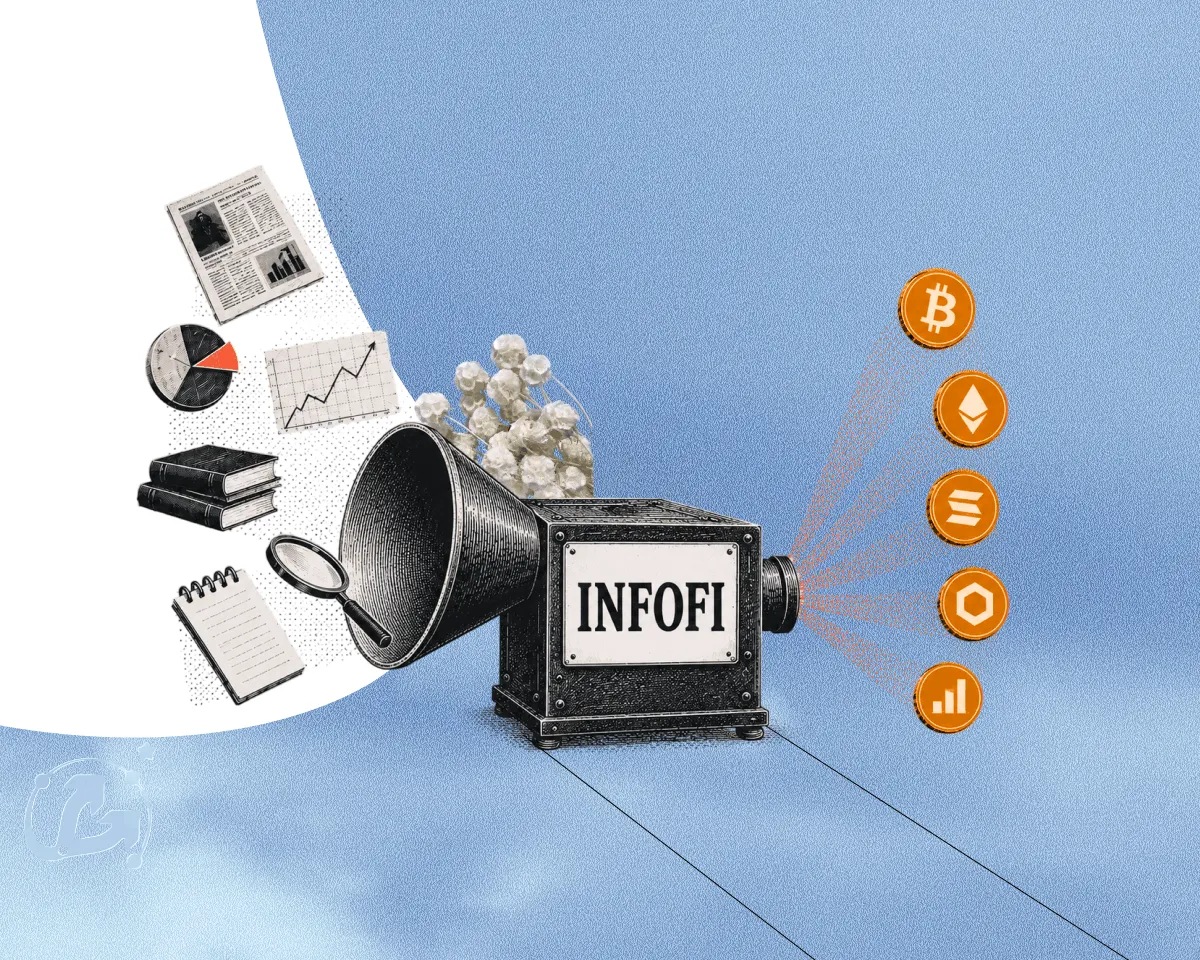
Neither dead nor triumphantWhat is happening to InfoFi, if you know the segment at all
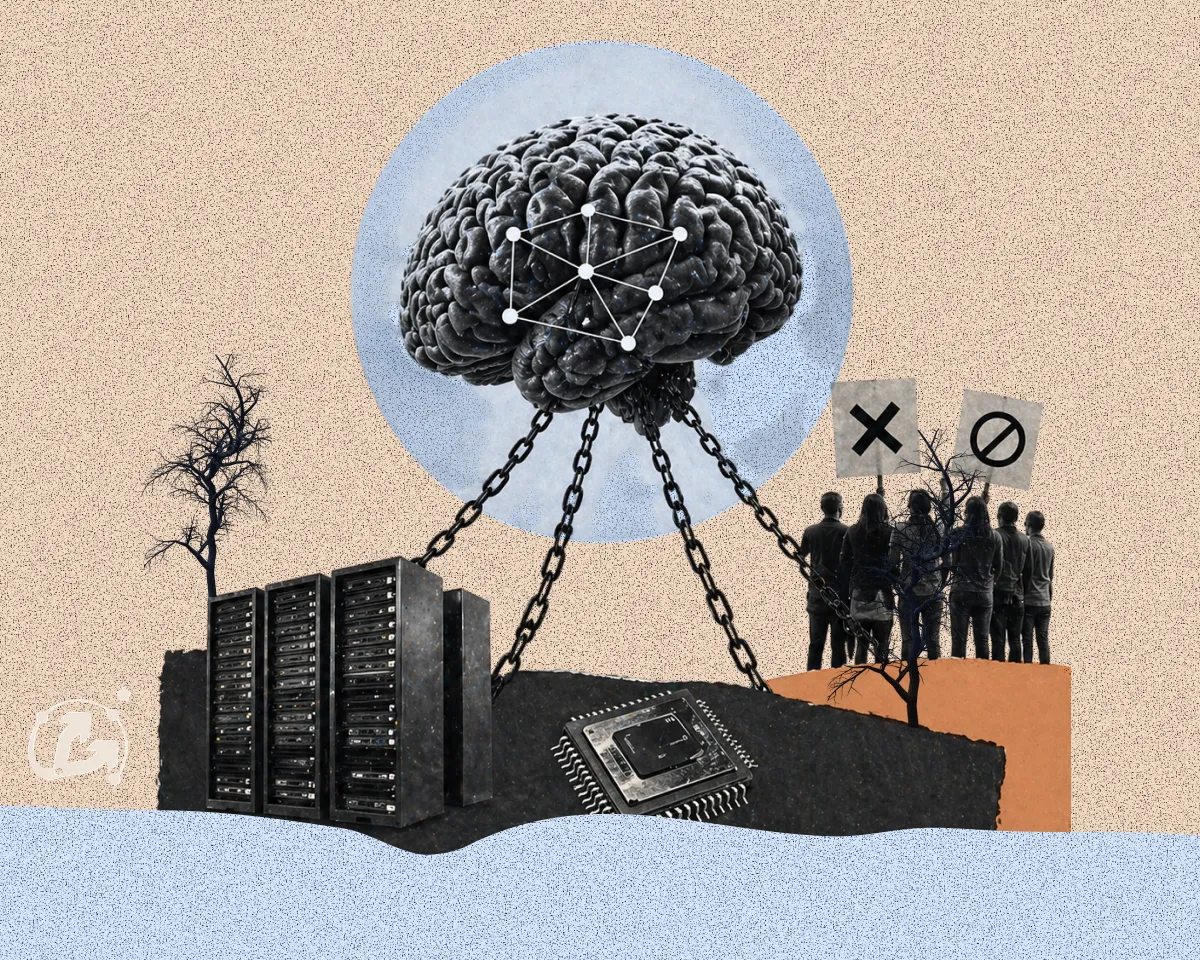
When intelligence isn’t enoughConstruction of more than half of US data centres is on hold.
Michael Saylor Unveils Strategy’s Bitcoin Reserve PlanMichael Saylor announced Strategy will increase bitcoin holdings, exceeding any potential sales.
Morgan Stanley’s Bitcoin ETF Completes First Month Without Fund OutflowsMSBT from Morgan Stanley saw no net outflows in its first month, leading among competitors.
The week in crypto: bitcoin holds above $80,000 as Hyperliquid debuts prediction marketsBitcoin tops $80,000; Hyperliquid adds prediction markets; Bitcoin Core fixes critical bug.
What Is Tokenized Gold and Why Are Billions Being Invested in It?Tokenised gold explained: how it works, its benefits, risks and the market’s leading projects.
The funding rate: how it helps anticipate price reversals in bitcoin and EthereumHow funding rates flag reversals in bitcoin and Ethereum before price moves.
What is zkEVM?A zkEVM brings ZK proofs to the EVM for faster, cheaper, secure Ethereum scaling.
What Is Game Theory and How Is It Used in Cryptocurrencies?How game theory underpins incentives and security in crypto.
Major Bitcoin Pools Back Stratum V2 AdoptionSeven major mining entities join Stratum V2 working group to expedite Bitcoin miners' transition.
LayerZero Admits Errors Following $292 Million Kelp HackLayerZero admits errors after $292M Kelp hack, plans changes to security protocols.
TeraWulf’s AI Revenue Nearly Doubles Bitcoin Mining EarningsTeraWulf's AI revenue nearly doubles Bitcoin mining earnings.
Behind the Scenes of Web3Text version of the latest "Deconstruction."
Swiss National Bank Bitcoin Reserve Campaign FailsActivists failed to gather enough signatures for Swiss Bitcoin reserve referendum.
Canada’s first SMS blaster, a DAEMON Tools trojan, and other cybersecurity newsThe week’s key cyber stories: Telegram scams, SMS blaster, TeamPCP, DAEMON Tools trojan.
OpenAI Introduces a Rival to Mythos and Three Voice ModelsOpenAI unveils GPT-5.5-Cyber for cybersecurity, alongside three new voice models.
ECB Favors Digital Euro Over StablecoinsChristine Lagarde questions the need for European stablecoins to protect monetary sovereignty.
Zcash to Introduce Quantum-Resistant WalletsZcash to launch quantum-resistant wallets within a month, says founder Josh Swihart.
Kalshi Secures $1 Billion at a $22 Billion ValuationKalshi raised $1 billion, valuing the platform at $22 billion.
Coinbase posts $394m quarterly lossCoinbase posts $394.1m Q1 2026 net loss; revenue down 31%.
We use cookies to improve the quality of our service.
By using this website, you agree to the Privacy policy.