




- Aave V4 introduces a “unified cross-chain liquidity layer.”
- The new version will feature automated protocol interest rate calculations.
- Developers propose expanding RWA based on the GHO stablecoin.
- Aave V4 is slated for release in mid-2025.
Aave Labs, associated with the lending platform Aave, has unveiled a roadmap project for the creation of the fourth version of the protocol.
“Aave V4 marks significant progress in DeFi in terms of capital efficiency, risk management, and scalability,” the announcement states.
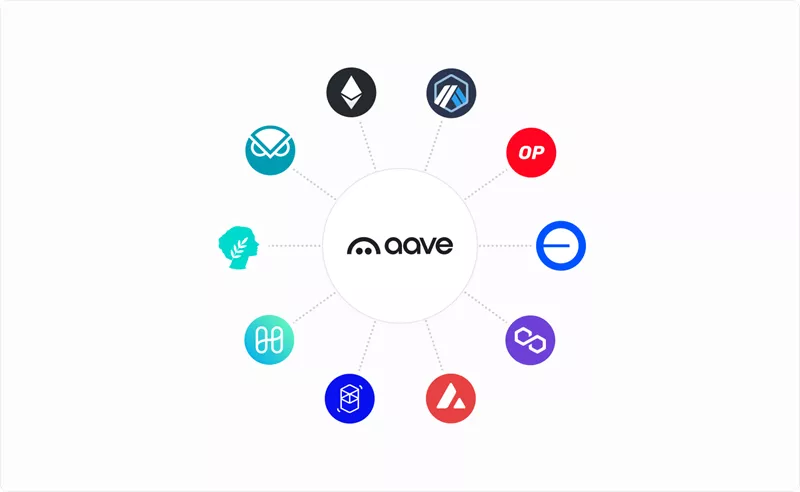
Aave V4 is expected to be built on an “entirely new architecture,” featuring a “unified cross-chain liquidity layer” (CCCL). This will enhance integration of features like isolated pools, risk modules, and the native stablecoin GHO.


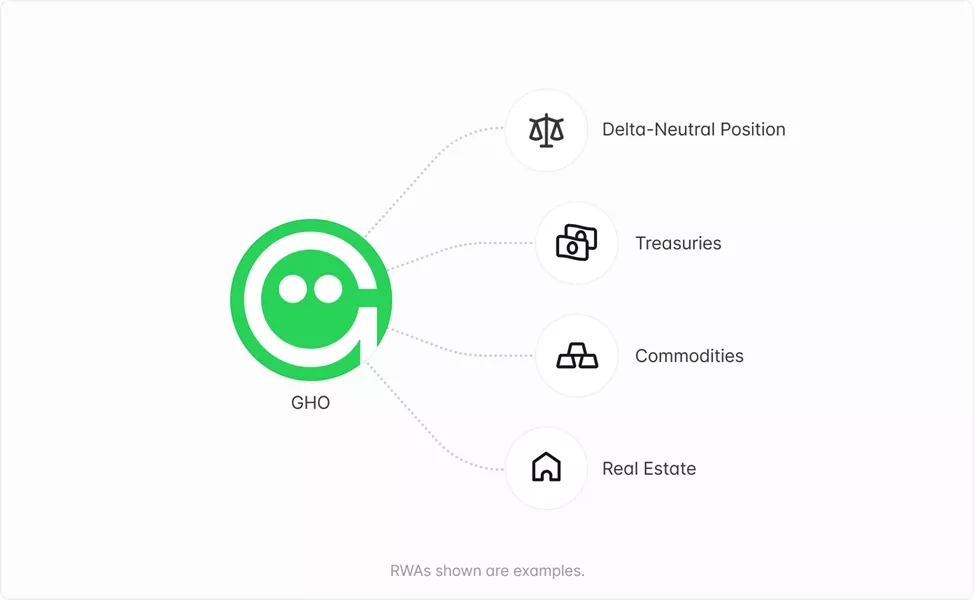
The proposal includes fostering RWA development based on Aave’s “stablecoin,” supporting deployment on non-EVM blockchains, and introducing a “fresh visual style,” the team stated.

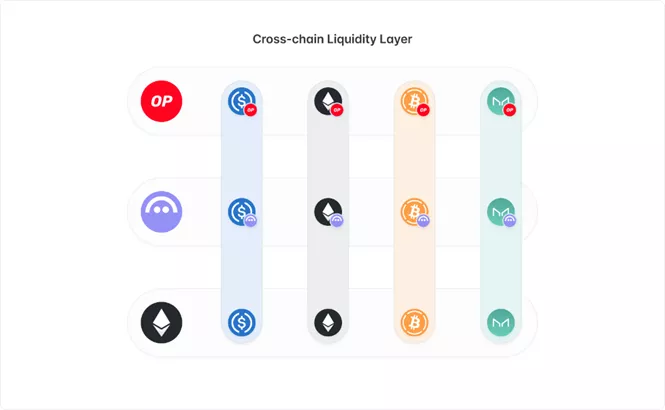
Unified Liquidity Pool
The CCCL based on Chainlink’s CCIP will allow “borrowers to access instant liquidity across all supported networks.”

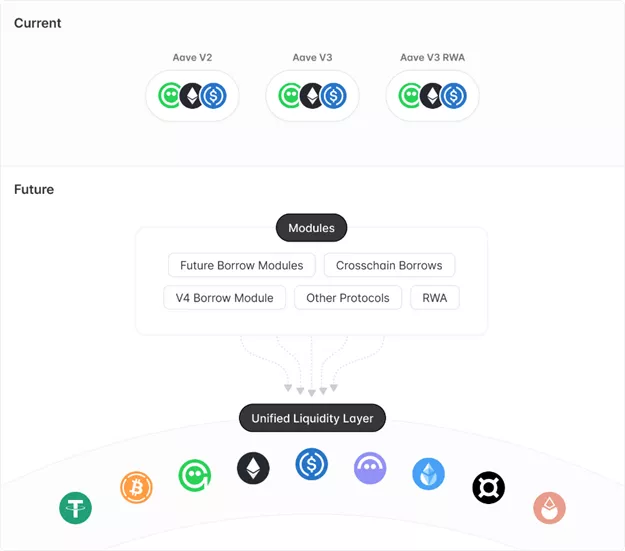
The roadmap reveals developers’ plans to automate interest rate calculations for loans and part of the DAO management process.
Specifically, automatic adjustments to the interest rate curve, dynamic premiums based on collateral risk profiles, smart accounts, and vaults to simplify position management will be introduced.
Developers proposed including variable liquidation bonuses and “soft” liquidation in GHO’s liquidation mechanisms, as well as an emergency redemption mechanism in case of a depeg. Other innovations include interest earnings for token holders.
Timeline
The update will be part of a broader initiative called Aave 2030, aimed at radically transforming the interface and functionality.
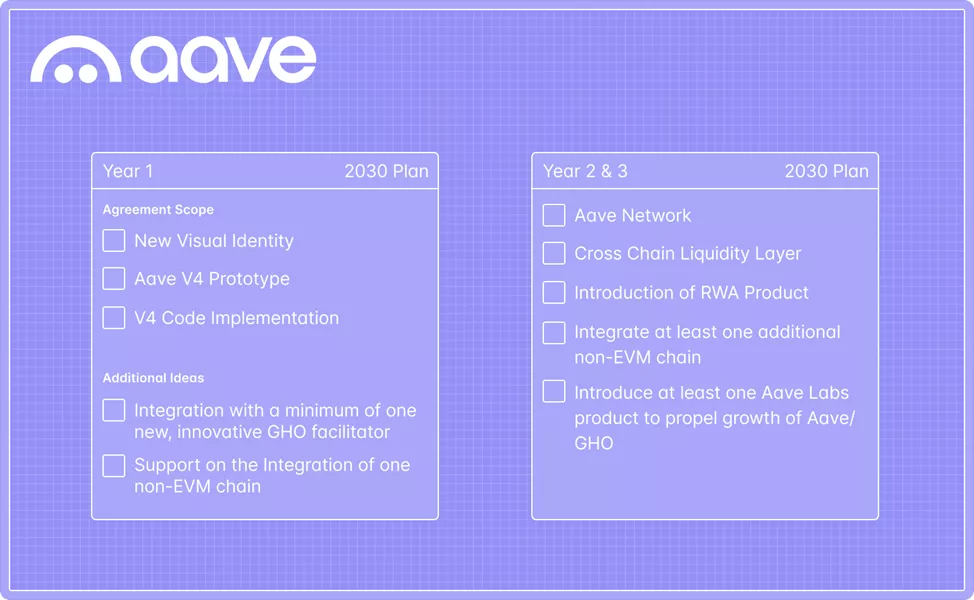
The proposal is in the “temperature check” stage, which gauges community sentiment before moving to on-chain voting.
The document outlines development timelines, starting with the completion of research in Q2 2024, prototyping in Q4, and culminating in the full release of V4 by mid-2025. The CCLL is expected to be operational by 2026 or 2027, the team cautioned.
The proposal also details plans to launch the Aave Network, which will serve as the main hub for the protocol and GHO.

Transition to L2
Aave is also considering: the potential use of architectures like Validium in the network, adopting GHO as the network token for service payments, and using AAVE as the primary safety fund for decentralized validators and sequencers.
The decision will be based on the evolution of L1 and L2, but Aave Network will inherit its security from Ethereum, developers emphasized.
The proposal requests a budget of 15 million GHO and 25,000 stkAAVE (~$17 million in total) for the first year of the three-year plan.
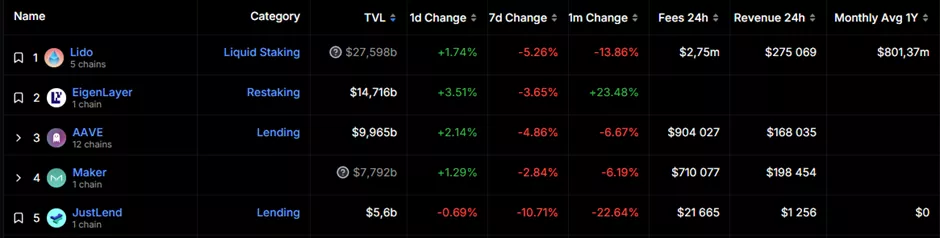
According to DeFi Llama, Aave is the third-largest DeFi protocol with a TVL of $10 billion. GHO’s market capitalization is $50.97 million, according to CoinGecko.

Back in January, participants in the Aave governance forum proposed expanding the third version to Neon EVM.
In February, Gauntlet, a company specializing in DeFi risk management, announced the end of its partnership with the lending platform.