



More than 80% of cryptocurrency startups live less than four months, usually due to bugs and misalignment with user needs. But even a useful product can fail if the team makes mistakes in promoting the project.
We spoke with the CEO and CMO of Coin Liquidity Solutions (CoinLS), which engages in marketing and market making in the cryptocurrency market. Filipp Veselov and Vinor Zukhubaya spoke about common mistakes in promoting projects and how to avoid them.
Five Steps to Success
The aim of most developers is to create a profitable project. To do this you need users and traders, and to attract them you need marketing.
Coin Liquidity Solutions is a company from the UAE that has been operating since 2017. It currently serves 165 clients, including JasmyCoin, Robonomics Network, Floki Inu, Flux, Student Coin, Ergo, ContraCoin, MintySwap and Core Multichain.
CoinLS helps projects increase the number of engaged users, attract private investment, as well as list tokens and support markets on Binance, Huobi and other popular exchanges.
Specialists at the company identify five stages of promoting cryptocurrency projects:
- Building a community.
- Raising investments.
- Listing the token on a DEX and advertising.
- Launching trading on a local centralized exchange and market making.
- Entering larger platforms, growing the community and liquidity.
They do not always go strictly sequential. For example, developers may simultaneously develop a Telegram channel, prepare for a token sale and advertise it in crypto publications.
Building a Community
In the first stage the team creates social media accounts for the product. But this is not enough: content must be published to attract users, interact with followers, and gather feedback.
Early participants can become the first investors. Their questions and feedback are important information that will help determine the target audience and advertising methods.
The most relevant platforms for crypto projects are Telegram, Twitter, Reddit and Bitcointalk. Their users are more likely to be interested in blockchain, read news on the topic and buy tokens.
“You can find an audience on any platform. For example, we ran the Jupiter project campaign on Instagram: regularly posting updates and stories. As a result, the number of organic followers of the page increased by 15%,” says the CMO of Coin Liqiudity Solutions, Vinor Zukhubaya.
Error 1: chasing metrics, for example buying followers or reviews. People will be wary if they see a chat with thousands of participants and a couple of messages per day.
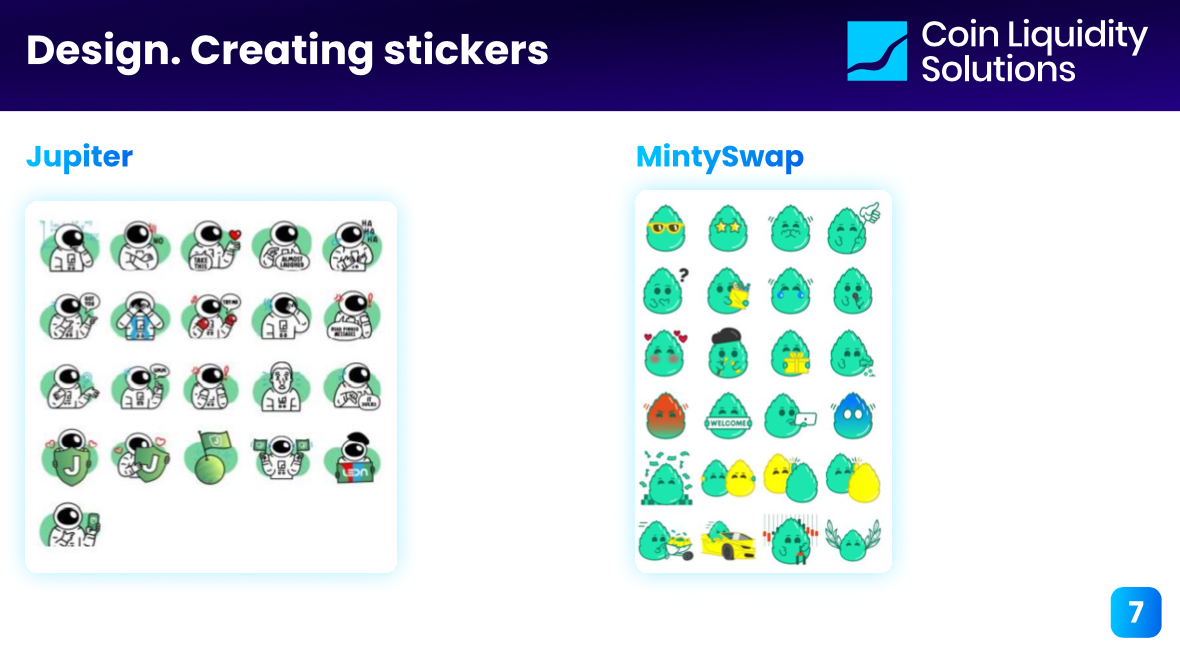
How to Avoid: regularly talk about the project in social media and in the press, run activities for subscribers and ask their opinion about the product. You can also give prizes: branded T-shirts, tokens or Telegram stickers.


Attracting Investments
High-quality projects easily pass this stage. To attract investment an MVP or preliminary results are enough.
Usually tokens are bought by venture funds. Other ways to obtain investments are finding investors and conducting token sales.
The biggest problem becomes how the funds are subsequently used:
“From our experience, projects fall into two types: those in love with their product forget advertising, and those engrossed in advertising forget the product,” says Vinor Zukhubaya.
Error 2: focusing only on advertising or development. If social networks are quiet, users may think the project has folded, and if the product isn’t updated, they will leave the community.
How to avoid: divide responsibilities. If one person handles marketing and development, they will likely focus on one thing.
Listing on a DEX and Marketing
The listing itself is not difficult: founders create a liquidity pool on a decentralized exchange and add liquidity to it.
But after that you need to do advertising to entice traders.
“There are many pitfalls in marketing. The biggest mistake is thinking that you only have to invest in marketing once. If that were true, Coca-Cola, Nike, Apple and other giants would not spend billions on marketing,” explains Vinor Zukhubaya.
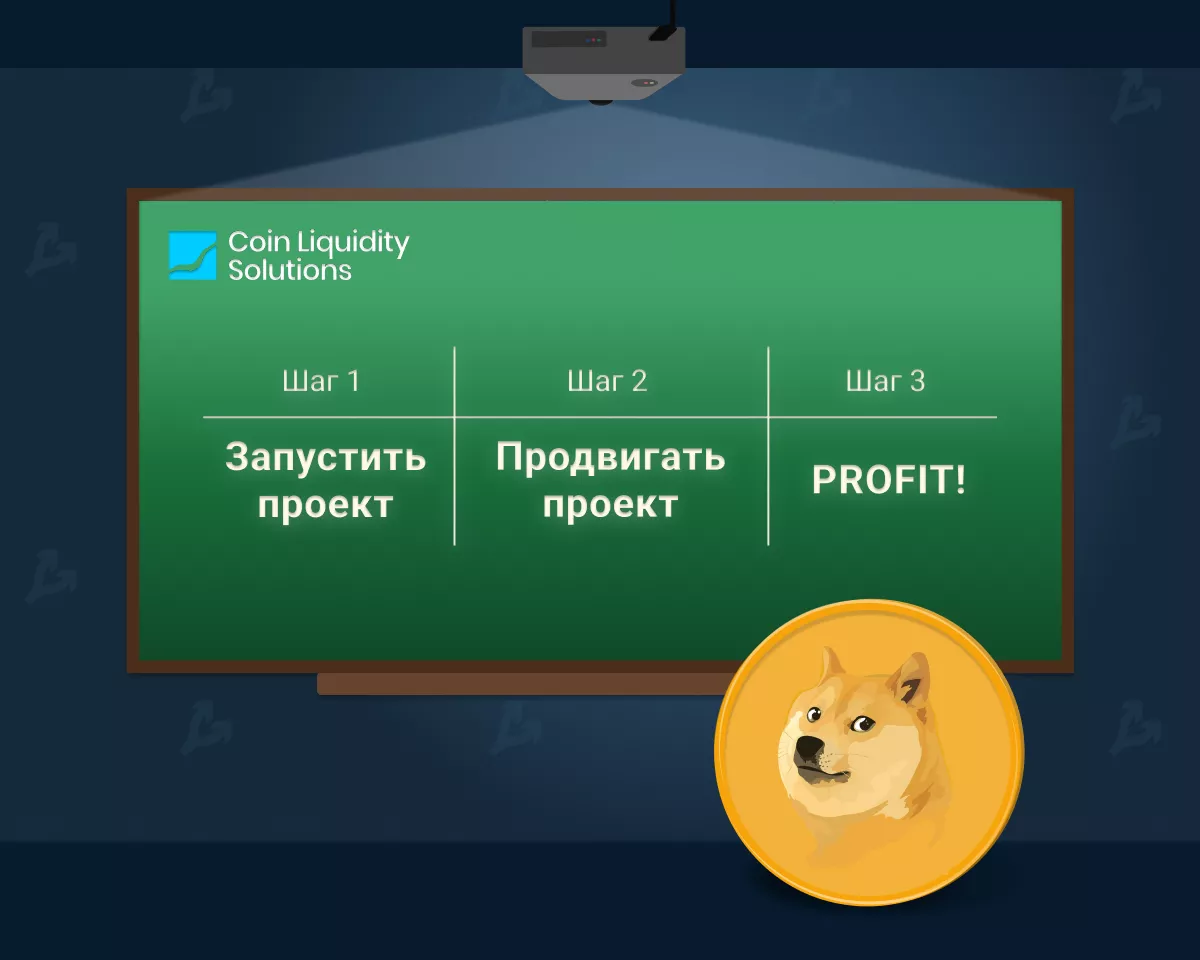
Error 3: to skip advertising, since DOGE made it into the top-100 by capitalisation without it. But this is an exception: the project founders had authority in the community; today it’s subtly promoted by Elon Musk. For a new project, lack of marketing may mean it goes unseen.
Solution: advertise and monitor the quality of the campaigns. Do not take posts from channels with inflated followers or influencers who are not interested in crypto. Coin Liquidity Solutions runs campaigns with YouTube bloggers who are watched by both experienced investors and beginners.


Error 4: pushing too aggressive advertising and getting banned on Twitter, Reddit or Google.
How to avoid: use performance-based advertising arbitrage. Its clients do not risk advertising accounts and budgets.
Local Exchange Listing and Market Making
It is one of the most important stages, because most investors trade on centralized exchanges. But listing alone is not enough: you need to create favorable trading conditions.
Market making is the process of providing liquidity in the order book near the current price.
There are market makers on stock, commodities and crypto markets. The trading fee for their main tool — passive deferred orders — is called the maker fee.

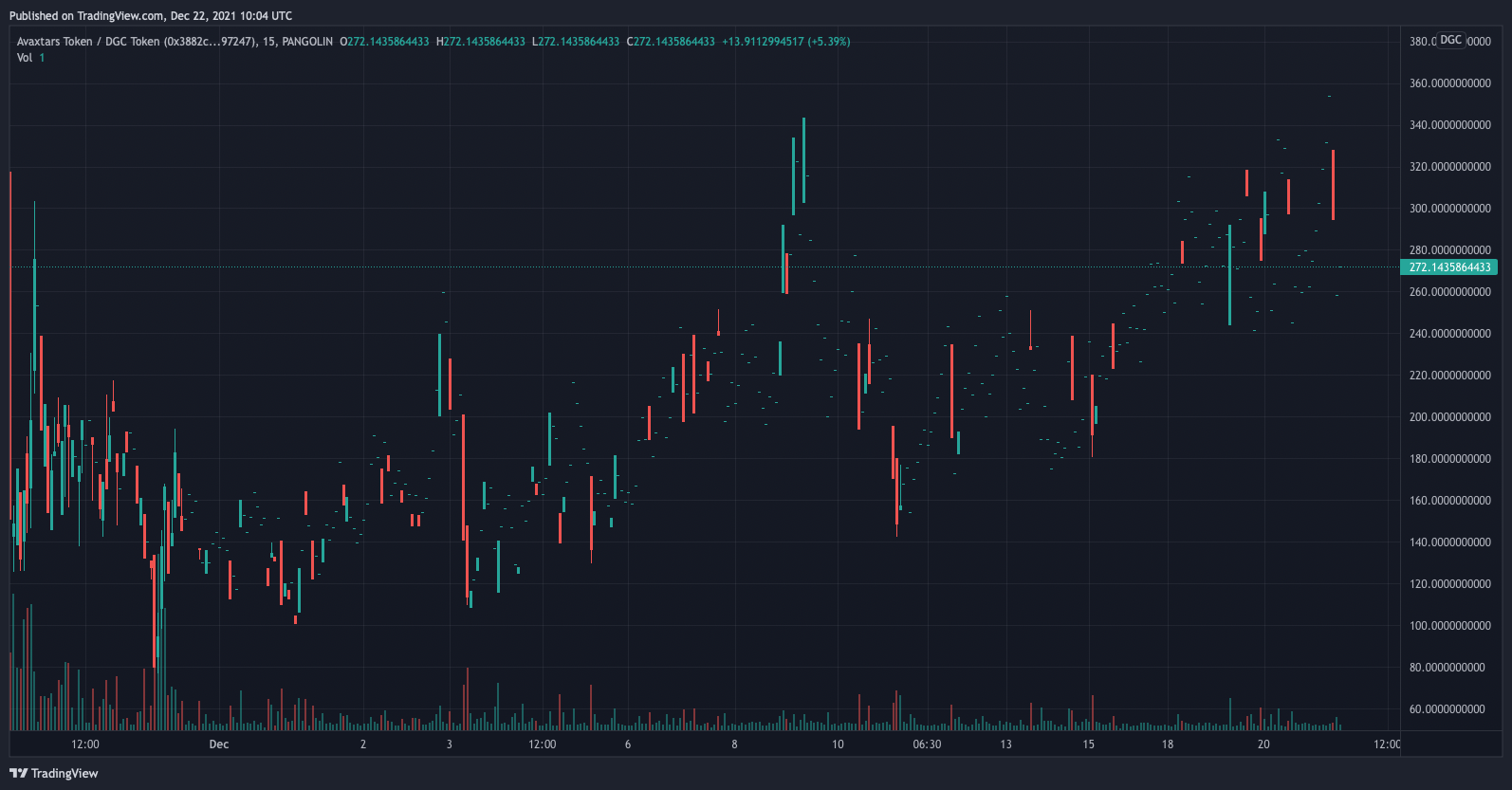
The role of a market maker is to give traders the ability to buy and sell tokens at a market price. Exchanges do not prohibit market making: a small spread attracts users, and additional liquidity helps reduce price jumps.
Coin Liquidity Solutions uses special software and strategies for market making:
“First we select a suitable centralized exchange. Often token listings are paid, so it’s important to launch trading on an exchange used by the most active portion of the community and the project’s target audience. Then we discuss with the founders the desired outcome of market making, because every client has different goals,” says the CEO of the company Filipp Veselov.
Average results for the company are a spread below 1%, liquidity near the market price in the $10-30 thousand range, and a 30-50% increase in organic volumes within the first months of operation.
Projects make mistakes in market making more often than in marketing.
Error 5: to forgo market makers. Without professional software and experience in providing liquidity, it is hard to achieve good results.
Error 6: choosing unsuitable exchanges, for example with inflated volumes or only popular cryptocurrencies. In this case the token is unlikely to attract users.
Error 7: listing the token on exchanges with high trading fees. If the exchange does not support reduced fees for deferred orders, market making will be more expensive.
Error 8: to forgo market making. Most likely, the project will not have markets.
“Hyped projects with organic trading volumes of around $20 million a day do not need market making: users themselves provide liquidity and hold a tight spread. But a startup is unlikely to achieve such volumes and attract traders without market making,” says Filipp Veselov.
How to avoid: hire a professional market maker and monitor which exchange they want to create a market on.
How to Assess a Token’s Prospects From Its Promotion
Prospects of a project can be assessed by the quality of its marketing. What should you look at first?
Major media such as ForkLog, CoinDesk and The Block audit promoted projects. The same goes for popular crypto influencers: they value their reputation and avoid products with weak potential.
“If major outlets cover the project and influencers collaborate with it, its prospects are higher than those of similar products. But you cannot determine scammers solely by the level of advertising; you must study information about the project and its founders,” explains the CEO of Coin Liquidity Solutions, Filipp Veselov.
Other criteria include community activity, adherence to the roadmap and token listing on centralized exchanges.
Conclusions
Even the most interesting project will not generate profits without a community, advertising and an active market. Promotion is as important a part of product work as development.
Developers can grow the community on their own and list tokens on decentralized exchanges. However, advertising and market making should be entrusted to professionals: they will help avoid mistakes and not waste money.
Subscribe to ForkLog’s channel on YouTube!