



Scientific breakthroughs have accelerated the pace of new pharmaceutical developments. Some companies believe this pace could be even faster, while others warn that the introduction of open AI could lead to the uncontrolled creation of biological weapons.
With Good Intentions…
The company Tierra Biosciences has developed a platform for protein synthesis managed by a neural network. It aids pharmaceutical, industrial, and agricultural organizations in developing new proteins. The AI model accomplishes this in weeks rather than months.
The platform creates cell-free reagents or a digital sequence. These are combined with the client’s protein chains and placed in a robotic platform for protein creation.


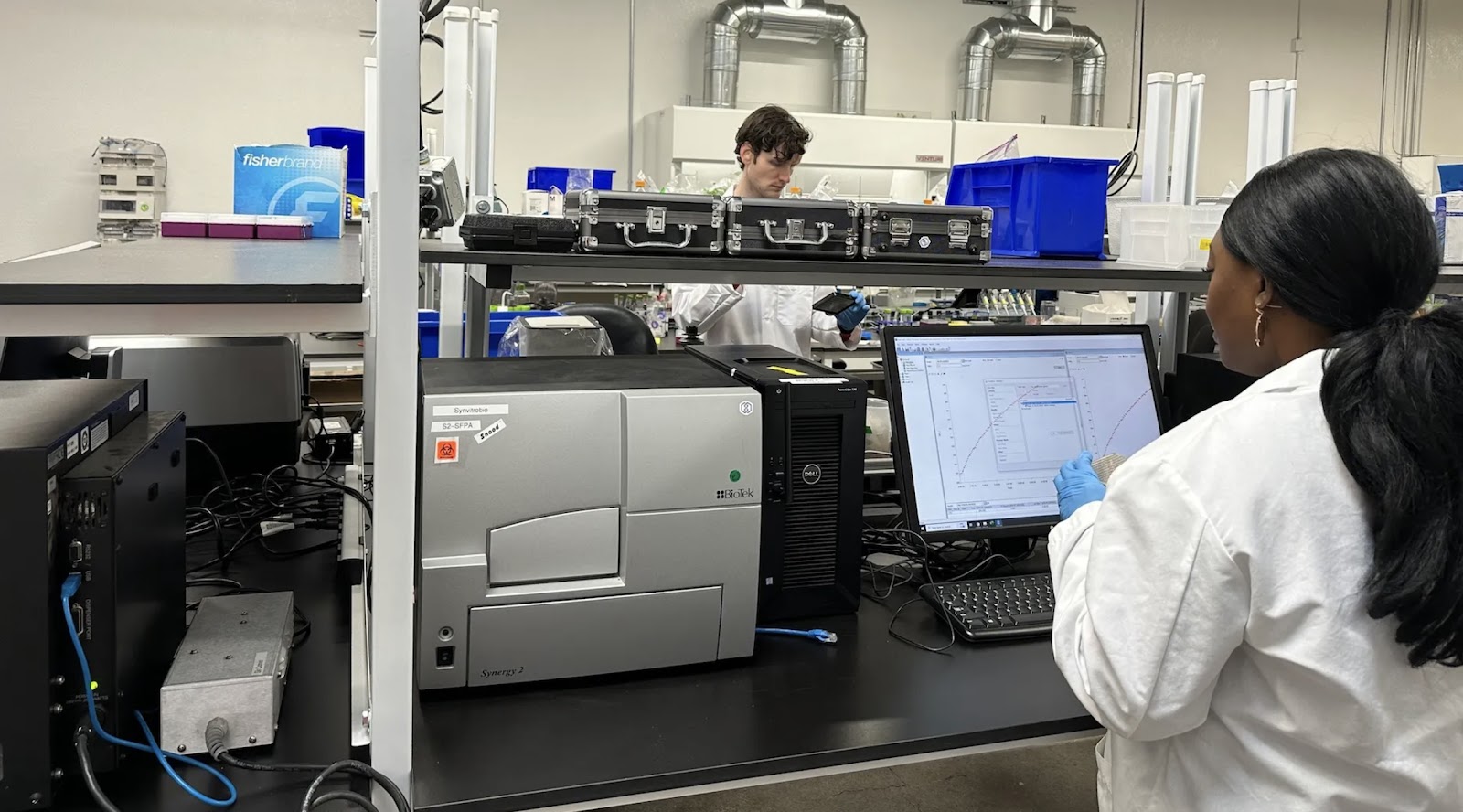
Traditionally, organizations develop new proteins using living cells. According to the project’s CEO, Michael Nemzek, this method is slow and inefficient.
Instead, Tierra uses cell-free technology, which reduces the timeline from several months to weeks and allows clients to understand whether their protein will function.
For example, if a client is creating an enzyme for detergent, Tierra inputs it into their large language model. The AI provides data on whether the existing sequence will work or needs modification. According to Nemzek, this offers a complete understanding of the protein before the client needs to iterate, saving time and money.
“We offer an extremely high-throughput method. If someone needs 100 proteins for testing, we can conduct it in much less time,” said the CEO of Tierra.
The company’s AI model grows with each protein created. Currently, the database contains over 5,000 variants. However, according to Nemzek, there is an infinite number of proteins that can be created worldwide.
Some clients have shown interest in new cell-free systems that do not yet exist in nature. Tierra is not only working on enhancing its capabilities but also increasing the number of proteins produced.
Currently, it produces milligrams, but within the next two months, scaling will reach grams.
“Do we believe cell-free technologies will solve all protein problems? No, but they will solve about 80%. If you are trying to develop a new protein to do what you are interested in, you can go beyond nature and use Tierra’s predictive capabilities,” explained Nemzek.
However, it is in this area that humanity may face dangers.
…Paved with Good Intentions
Dozens of leading scientists have signed a document calling for a ban on the development of biological weapons using neural networks. Researchers believe AI models capable of rapidly creating protein structures should be used responsibly.
Scientists have questioned whether AI-generated proteins could be used as biological weapons. In hopes of preventing this possibility, as well as the prospect of burdensome government regulation, researchers have launched an initiative calling for the safe and ethical use of protein design.
“The potential benefits of protein design far outweigh the dangers at this time,” said computational biophysics expert David Baker.
The proposal comes amid reports from the US Congress, think tanks, and other organizations studying the potential for AI models to develop biological weapons, including new toxins or viruses.

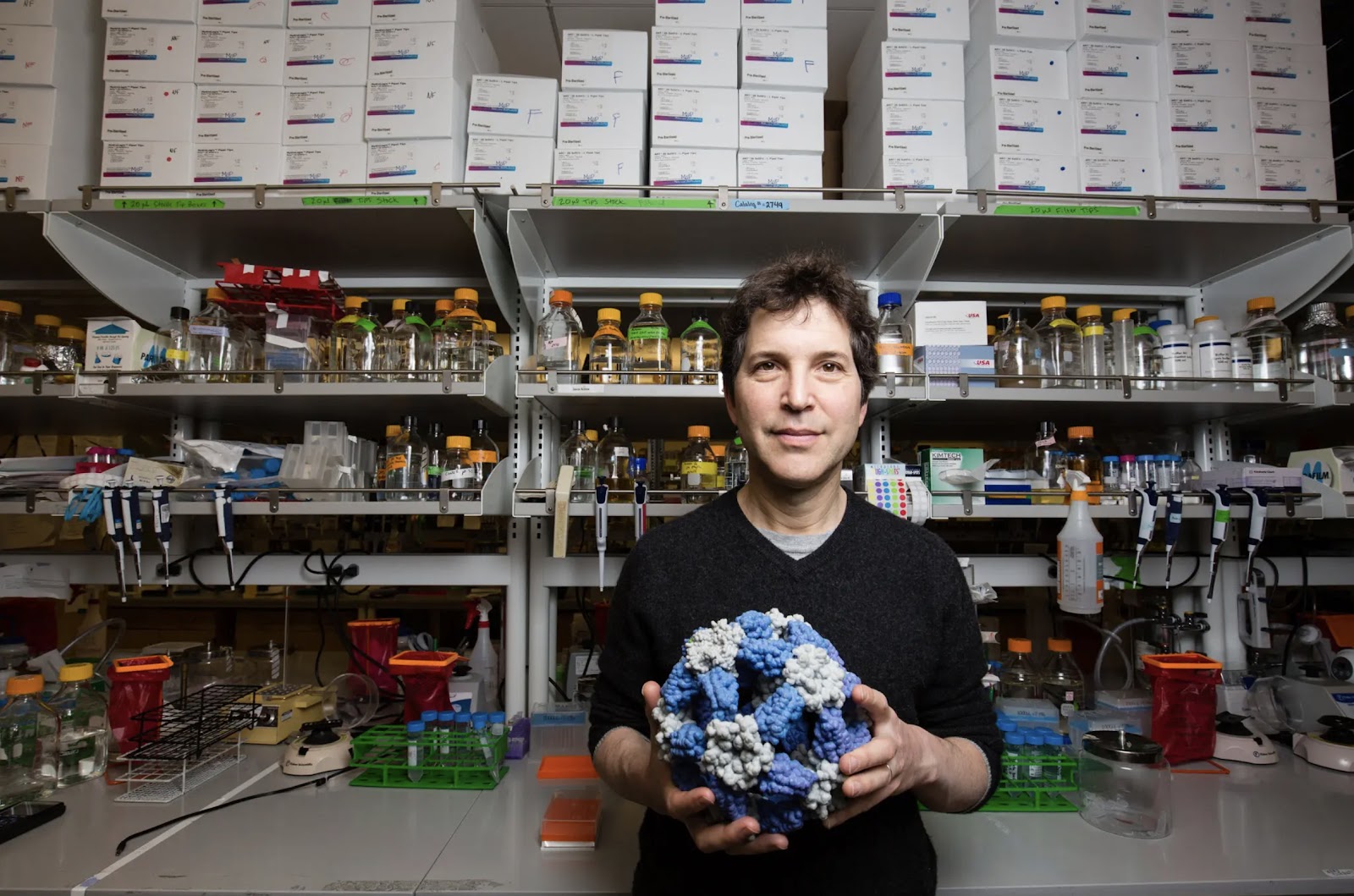
Baker and his colleagues have been attempting to design new proteins for several decades. However, in recent years, their capabilities have increased thanks to AI advancements. Tasks that once took years or were impossible are now accomplished in minutes. Most neural networks capable of this are publicly available.
The initiative calls for the bio-design community to exercise self-control. This includes regular analysis of AI model capabilities and monitoring research practices. Baker suggested creating an expert committee to review software before it becomes widely available and, if necessary, recommend “safeguards.”
The scientists’ petition also calls for improved screening of DNA synthesis—a key step in turning AI-designed proteins into real molecules. Currently, many companies providing such services have signed an agreement with the industry group International Gene Synthesis Consortium, which obliges them to screen orders for harmful molecules such as toxins or pathogens.
In April 2023, researchers from MIT developed two generative AI models for creating proteins with specific structural features.
Back in February, AI startup Baseimmune raised $14 million in early-stage funding for vaccine development.