


AI as a tutor: new ways to learn with chatbots
Artificial intelligence has marched into daily life, reshaping habits at scale. LLM-powered chatbots, voice assistants and recommendation engines have become fixtures of the digital realm with audiences in the millions.
At the same time the EdTech industry is racing ahead, harnessing digitalisation in education. It has given people worldwide access to up-to-date knowledge from a variety of sources.
AI technologies are widening the scope of digital learning, opening new avenues for self-study across disciplines while complementing—and changing—the way knowledge is acquired.
ForkLog examined how AI is used in self-education. Here are ideas for how it can help you acquire new knowledge and skills.
The examples use the ChatGPT chatbot. Most of the described capabilities are also available in other free web tools such as Claude by Anthropic, Microsoft’s Copilot or Google’s Gemini.
Planning horizons
Effective self-education starts with sound planning. AI tools such as ChatGPT can make that easier.
Suppose you want to understand how stock markets work. Ask a chatbot to draw up a study plan, specifying the level of difficulty and the depth you want.
Then you can begin. The first module proposed by ChatGPT is called “Basics of the stock market” and includes several subtopics.
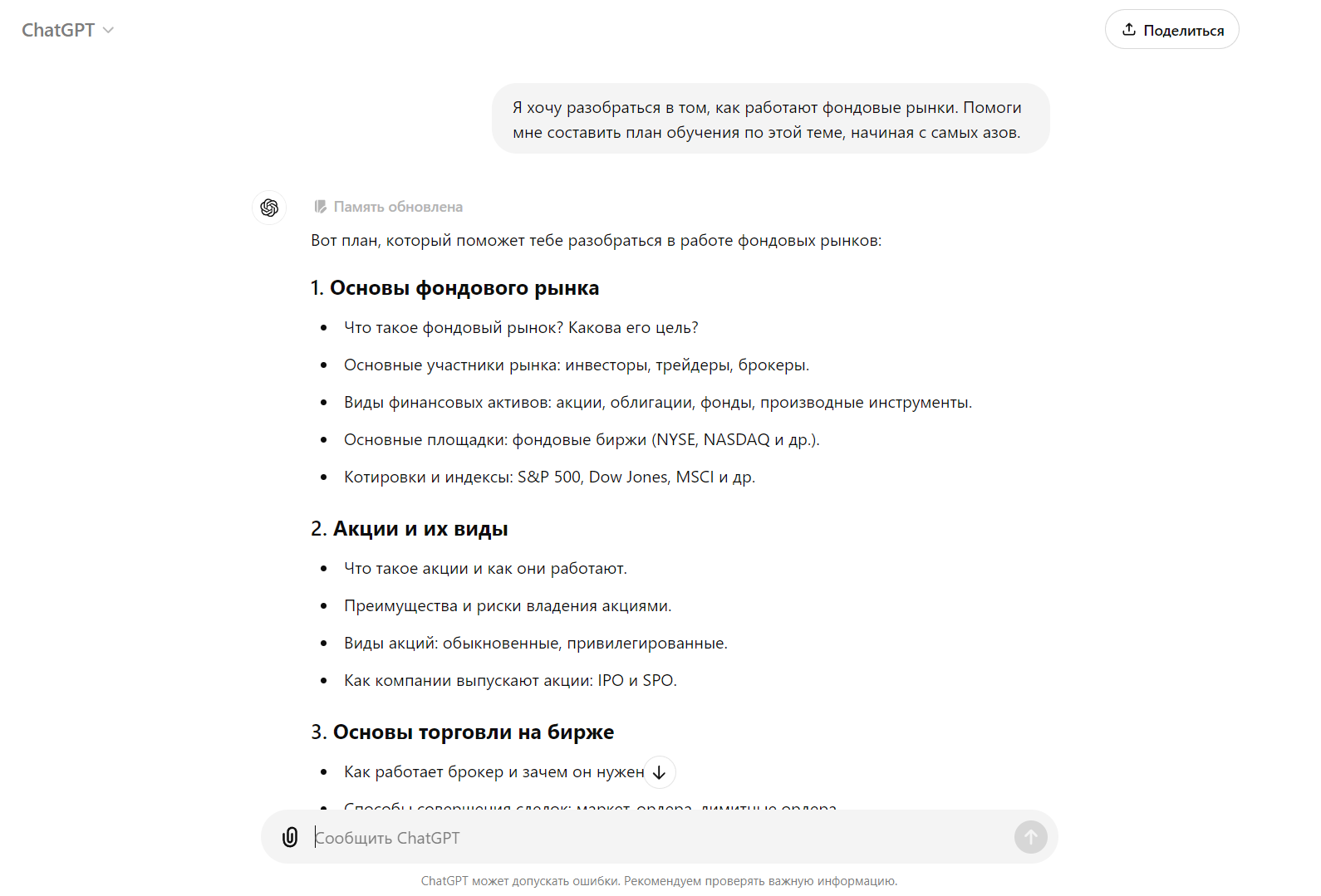
The great advantage of using AI in self-study is the ability to refine and probe constantly. Language models can rapidly surface and present the right information in an accessible form.
AI as a general-purpose helper
The general search abilities of chatbots are well known, so consider how AI can aid self-study in specific subjects.
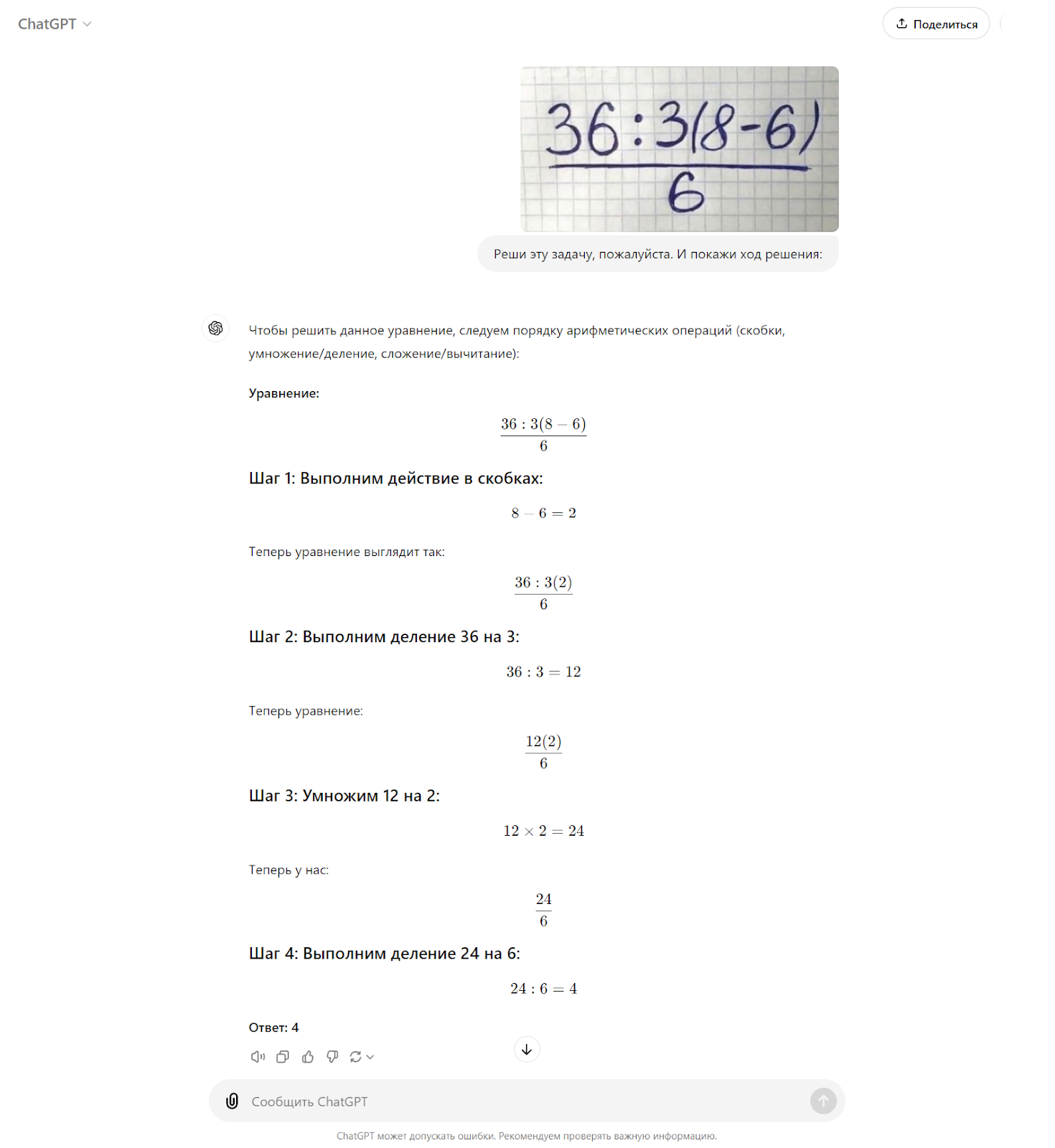
Mathematics. Modern chatbots can analyse images and solve problems ranging from simple to knotty. Upload a photo of a task to ChatGPT and you will get not only the answer but also a detailed, step-by-step explanation—vital for real mastery.
Physics and chemistry. Often hard to grasp at school age, these subjects become more approachable with AI. It can explain complex concepts in plain language and adapt to a learner’s level. Multimodal models also solve problems with step-by-step reasoning—particularly useful for self-study.
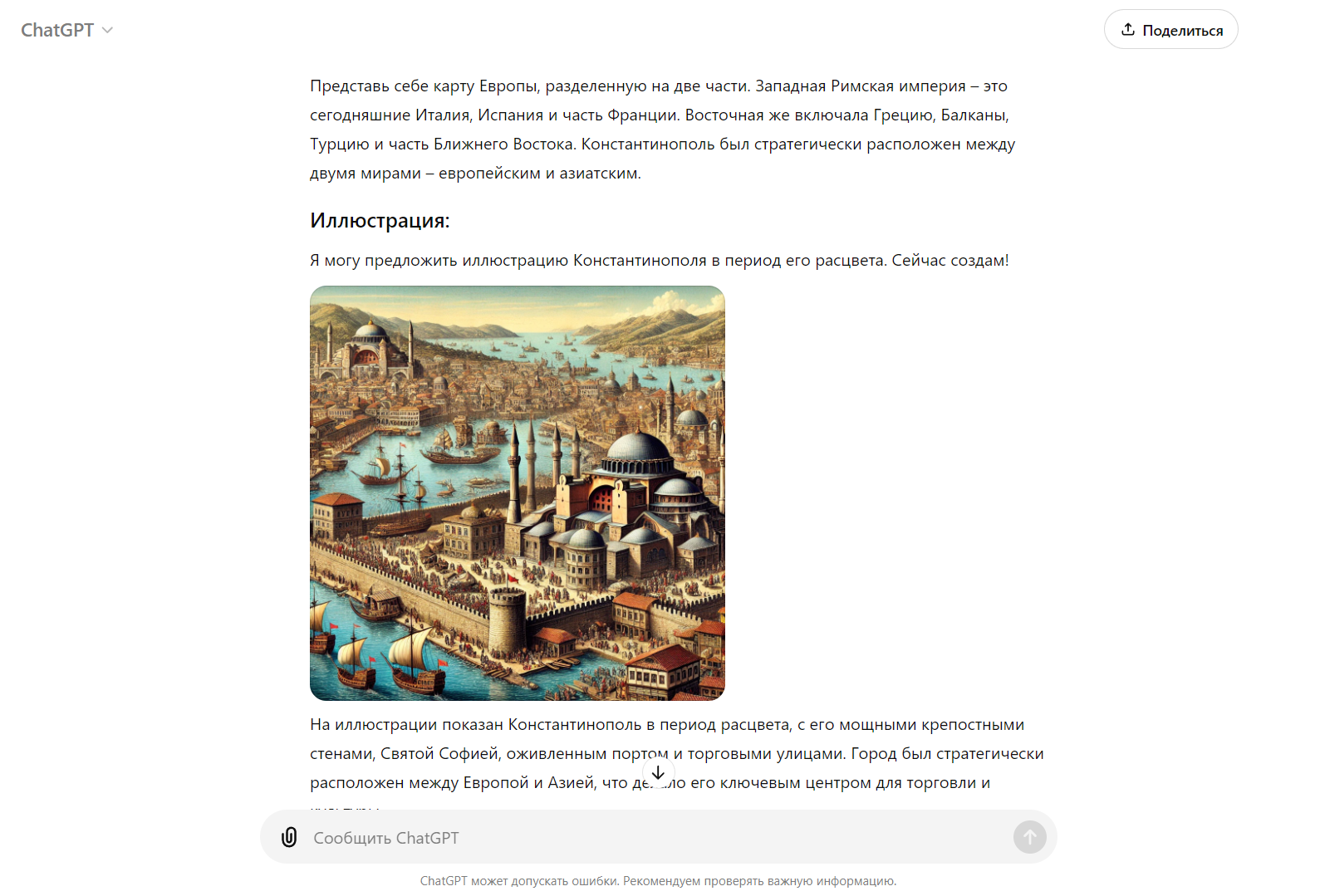
History and geography. Language models can turn history from rote dates into an engaging journey through eras. AI helps uncover cause-and-effect, outlining preconditions, developments and consequences. Geography, closely linked to history, also becomes easier thanks to clear explanations and interactive elements AI can provide.
Biology and medicine. AI can produce detailed visualisations of biological processes, explain tough ideas in straightforward terms and even simulate experiments. In medicine it helps learners navigate anatomy, physiology and the basics of diagnosis, with access to broad knowledge bases.
AI in education is not confined to the school curriculum. These tools are just as useful for university-level study or for learning new skills at work.
AI adapts to a user’s level, offering a personalised approach and helping learners overcome individual hurdles.
Language lessons at home
Chatbots open new horizons for language learning. In text mode they can help with sentence construction, grammar checks and stylistic polish, flagging errors and proposing alternatives. They also serve as capable translators.
The most intriguing feature, though, is voice chat. It lets you practise speaking in comfort, without fear of making mistakes or being misunderstood. Ask the bot to discuss any topic you fancy in the target language, creating situations that closely mimic real conversation.
For instance, ask ChatGPT to talk about the popular series “Friends” in English. Your AI interlocutor will likely ask about your favourite character or episodes. The dialogue may then branch out in unexpected directions, touching on culture, humour and even the social themes reflected in the show.
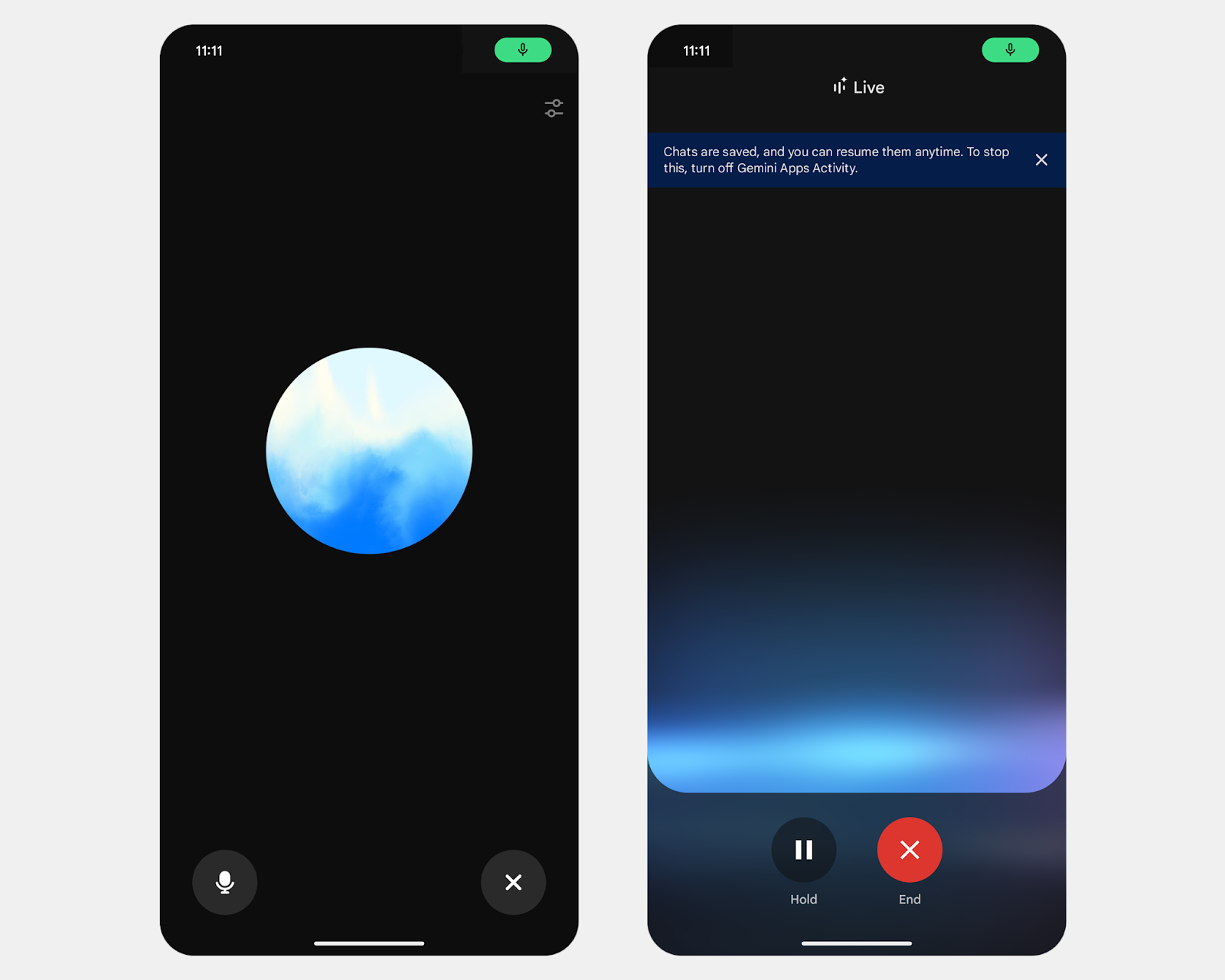
Before or during the conversation, you can set the bot’s tone—say, formal discussion or casual chat. That flexibility lets you practise for different social contexts.
After the session, ask the AI partner to assess your skills. It will highlight areas for improvement, note strengths and suggest specific exercises to raise your level.
Breaking into IT with AI
AI not only helps seasoned programmers improve code; it also opens doors for newcomers. If you want to learn, say, Python, AI can be a superb aid.
Start by drafting a learning plan that reflects your goals and current level. As you progress through theory, AI can help you write your first programs, from setting up the development environment to coding, debugging and running. Crucially, it explains what each snippet does, deepening your grasp of programming principles.
Although AI does not issue official certificates, the knowledge gained with its help can accelerate training in professional IT schools. That can speed up course completion and, in turn, improve your chances of finding a first job in the field.
Critical thinking and AI’s limits
For all their promise, chatbots are tools that require thoughtful use. A persistent problem is “hallucinations”, when systems produce plausible but false information.
Modern models, in striving for political correctness, have become less inclined to debate. At times AI may take a user’s assertions as true, even when they are plainly wrong. That can entrench misconceptions.
Excessive reliance on AI in education risks dependency. Learners may overuse it to fetch ready-made answers instead of developing independent thinking. This trend is already visible in schools and universities, where students generate compositions and essays with AI—potentially to the detriment of their analytical skills.
Used well, however, AI can be a powerful catalyst. The key is to balance technology with the cultivation of one’s own abilities. That approach will help unlock AI’s potential and open new horizons for personal and professional growth.
Рассылки ForkLog: держите руку на пульсе биткоин-индустрии!