



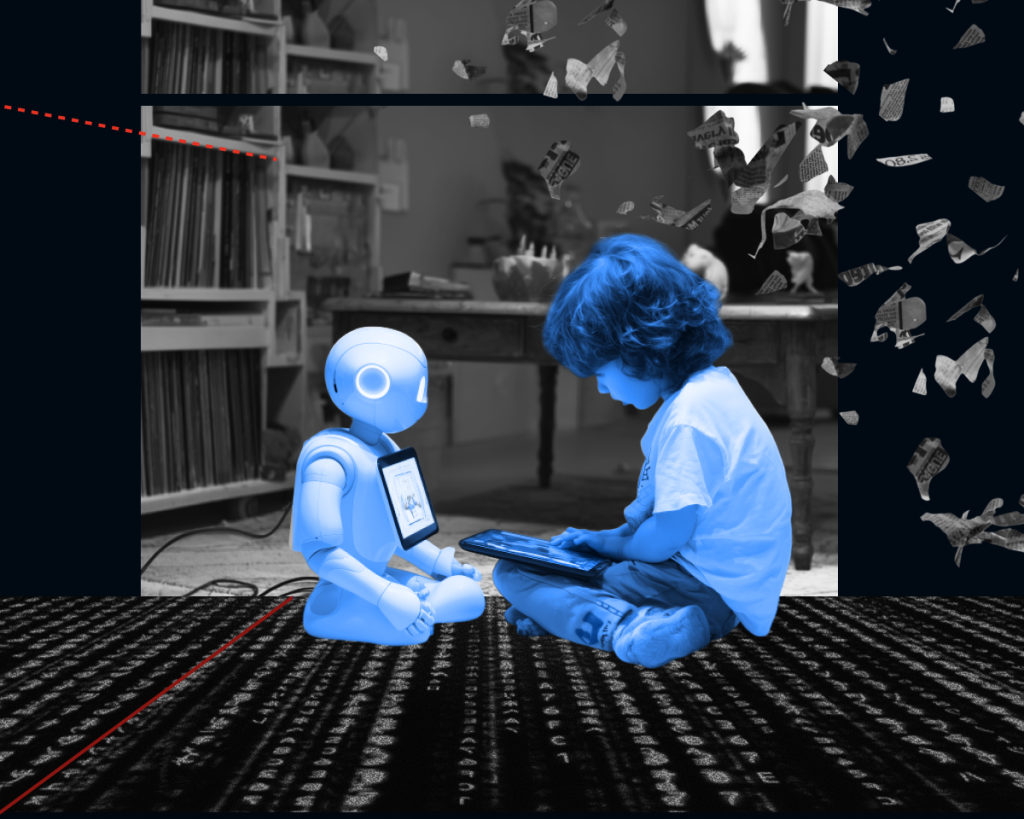
Artificial intelligence is reshaping childhood, offering new opportunities while simultaneously posing challenges to development. This issue was highlighted by journalists at The Economist.
The upcoming holidays promise to be unique: children will receive gifts capable of engaging in dialogue. Chinese toy manufacturers have declared 2025 the “AI era,” launching mass production of smart robots and plush bears. These devices can teach, play, and tell stories.
Older children are captivated by popular videos about technology and games using it. Schools are incorporating materials created with ChatGPT and similar tools, and some students are already working with virtual tutors.
AI democratizes access to services that were once the privilege of affluent families: personalized education and entertainment. Children can listen to songs or read stories about themselves, play video games tailored to their skills, and have a circle of chatbot friends.
Rethinking the Future
The integration of artificial intelligence into upbringing comes with hidden threats. An overly individualized approach by algorithms may lead to feelings of loneliness and the development of personalities ill-suited to real-life challenges.
As artificial intelligence transforms childhood, The Economist urged society to rethink the maturation process.
There are objective advantages to automating education. Tech companies demonstrate AI’s effectiveness, especially in regions with a shortage of teachers and educational materials. It is suggested that virtual tutors can balance the educational process: engaging strong students and assisting those who are struggling.
Technology is also transforming leisure. Toys are beginning to ask questions on any topic and engage in conversation. Video games create a new reality where one can interact with Darth Vader in Fortnite (or defeat him).
However, certain risks exist. AI may provide incorrect answers, toys could go out of control and begin discussing sexual topics. There is also the issue of misuse: children using neural networks to complete homework or create deepfakes to bully peers.
In extreme cases, interaction with chatbots can exacerbate the psychological state of vulnerable teenagers, pushing them towards suicidal thoughts.
AI adapts to user preferences, offering the most relevant content. Social networks have already created “echo chambers”—people see only opinions they agree with. Artificial intelligence could worsen this effect, immersing even children in informational isolation.
A child who loves football will hear stories about sports from a plush bear, and an AI tutor will provide examples from this field. Such an approach excludes the element of chance and deprives the opportunity to learn new things beyond familiar interests.
Digital companions that do not criticize or share feelings poorly prepare teenagers for interacting with others.
“Bots that only say ‘yes’ threaten to raise children unaccustomed to waiting their turn. They will grow into colleagues unable to compromise and partners unfamiliar with the mutual concessions necessary in relationships,” journalists emphasized.
The situation is exacerbated by declining birth rates.


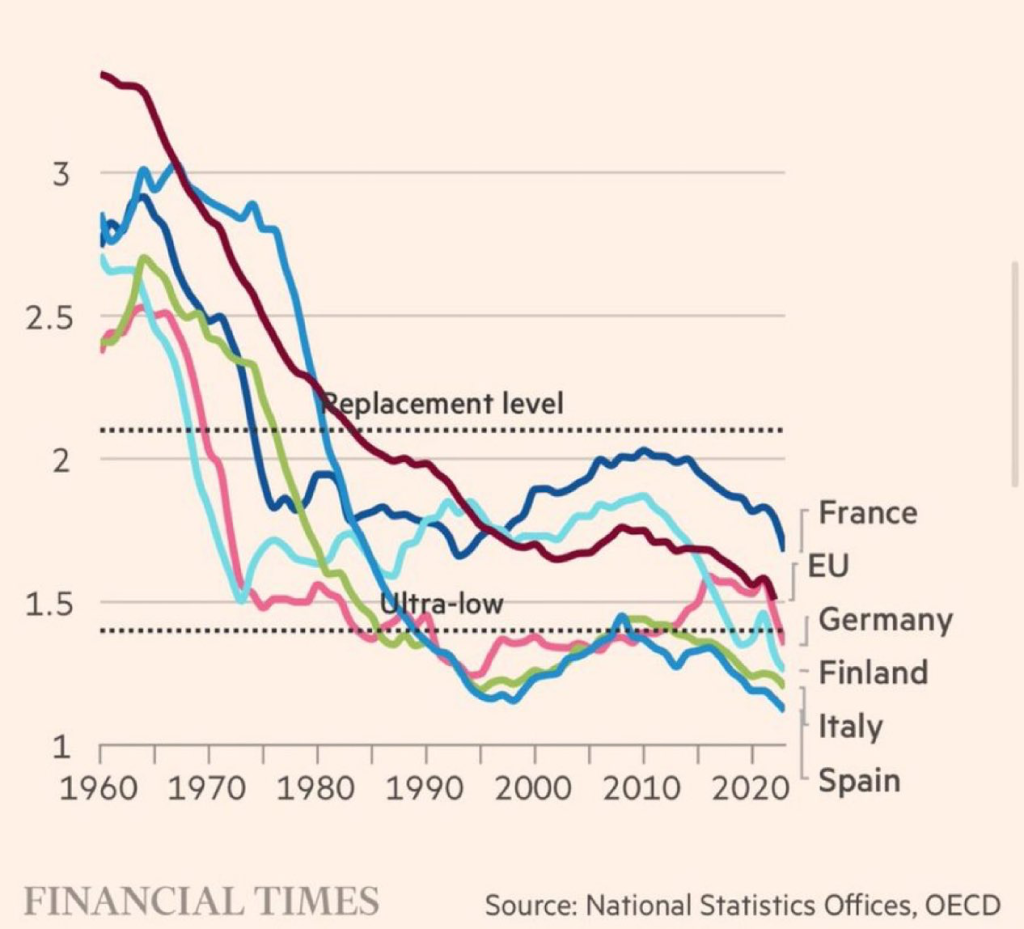
Fewer children are growing up with siblings who “smooth out rough edges.” More people are concluding that romantic relationships are not worth the trouble.
Action Required
The Economist called for urgent action:
- parents should think twice before entrusting their child to a “word-repeating machine”;
- strict age restrictions are needed for chatbots;
- governments must regulate the unchecked freedom of AI companies;
- teachers should implement comprehensive methods of knowledge assessment, as traditional homework essays are no longer sufficient.
In the long term, it is important for people to preserve socialization, which AI could displace from children’s lives. Schools remain the optimal solution for this.
It is necessary to leverage the advantages of personalized learning while remembering the importance of discussion skills, journalists concluded.
“Perhaps one day AI will allow every child to live like royalty. But truly privileged will be those whose parents and teachers know when to turn it off,” the article states.
Among American teenagers, 72% have tried interacting with AI companions.