



Jump Crypto, in collaboration with Aptos Labs, has developed Shelby, a cloud storage network tailored for Web3 and decentralized applications.
Web3 optimizes how value moves. @ShelbyServes unlocks how it’s created, through data that streams, earns, and adapts in real time.
Hot, decentralized, and incentive-aligned. Coordinated on Aptos, built to serve on any chain.https://t.co/QAIxkdIlA9 https://t.co/cMhUe4U3Bl
— Aptos (@Aptos) June 24, 2025
The teams claim the solution rivals traditional cloud platforms in capabilities.
The new product is based on scalable and high-performance technologies from Aptos. It is not tied to a single protocol and is compatible with Ethereum, Solana, and other popular blockchains.
The Shelby network targets developers who prioritize high speed and remote access when handling resource-intensive tasks—from video streaming and AI to decentralized physical infrastructure solutions (DePIN).
Jump Crypto is a division of Jump Trading Group specializing in digital assets. The company invests in venture projects and develops blockchain solutions, including the Firedancer client for Solana.
Aptos CTO Pranav Raval told Cointelegraph that Shelby delivers performance comparable to leading cloud platforms. Meanwhile, developers “retain control [over the system], manage pricing, and set business logic at the protocol level.”


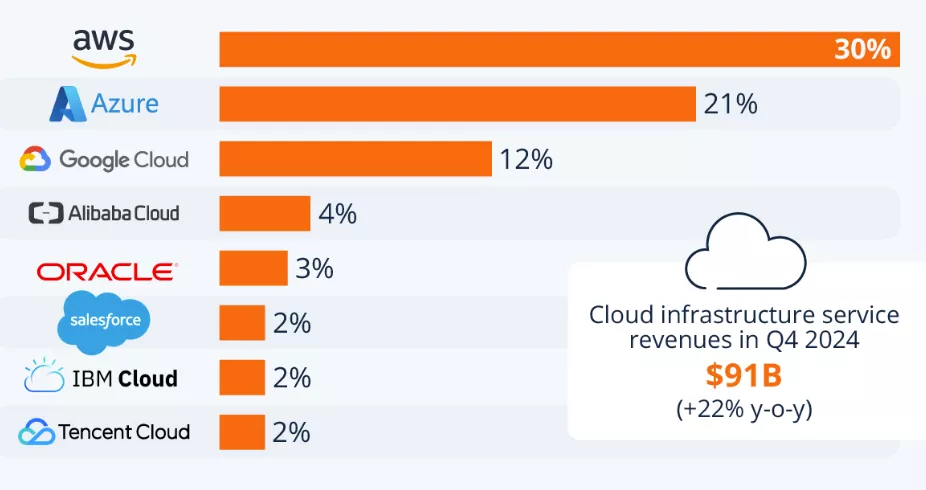
AI Hype Fuels Demand for Cloud Solutions
According to S&P Global, global data center power consumption could double by 2030. The demand for scalable and efficient storage is increasing, placing additional strain on cloud platforms.
“When data is activated, it forms new worlds and launches new economic models, approaches to creativity, and interaction,” Raval noted.
He added that in the context of artificial intelligence, this means agents have access to current contextual data at any moment, from anywhere in the world. Solutions like Shelby enable the creation of data marketplaces, accelerating model training through the streaming of relevant information.
Earlier, Aptos Labs CEO Avery Ching expressed the view that AI agents need access to blockchain assets—cryptocurrencies, tokens, and tokenized instruments like real estate.