



Layer 2 solutions (L2) are rapidly gaining traction набирают популярность. They significantly speed up transactions and reduce fees, a virtue especially relevant amid high on-chain activity as markets recover.
Major platforms such as Aave or Curve support a range of new networks. This approach makes DeFi applications more attractive and accessible to users who do not have substantial means.
TVL Arbitrum project Arbitrum recently провел аирдроп, through which more than 600 000 market participants collectively получили за свою активность ~1,16 млрд ARB. The event generated significant buzz in the community and contributed to inflows of средств в другие протоколы, where there is not yet a utility token.
In this article we briefly examine the features and ecosystems of the popular L2 projects — Arbitrum Nova and zkSync.
- The new platform from Arbitrum’s developers differentiates itself with very low fees and fast transactions. It is “tuned” for gaming and social applications.
- zkSync is positioned as the first EVM-compatible Layer-2 solution based on ZK Rollups. Built on a DeFi ecosystem, it is rapidly developing, increasing liquidity.
- Many market participants expect future drops of utility tokens for Arbitrum Nova and zkSync and therefore try to be active in these ecosystems.
Arbitrum Nova network: faster and cheaper than Arbitrum One
This L2 network is positioned by developers as “the optimal solution for gaming and social applications”, while Arbitrum One “remains home for DeFi and many NFT projects”.
Arbitrum Nova is built on the Arbitrum AnyTrust technology, optimized for “ultra-cheap transactions with strong security guarantees.”
“The key technical difference is that Arbitrum One continuously stores transaction data on Ethereum, while Nova uses a Data Availability Committee”, — Offchain Labs explained.
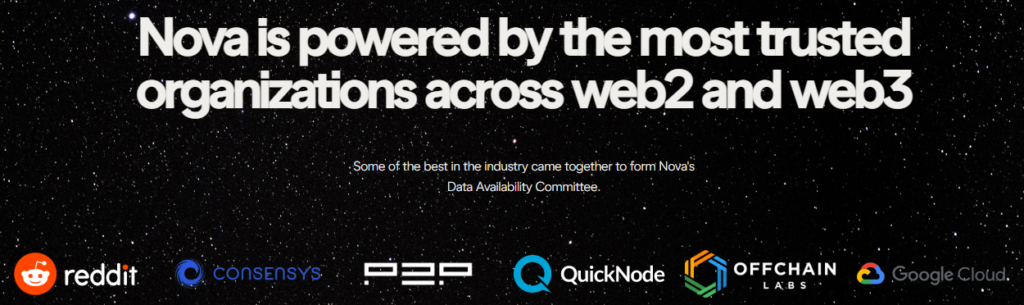
According to information on the project’s site, the DAC includes notable platforms, including ConsenSys, Offchain Labs, Google Cloud and Reddit. The latter in August last year announced the migration of tokens involved in the Community Points program to Arbitrum Nova.


On-chain operation (“rollback to the Rollup”) is performed only if the DAC cannot handle its job.
“Instead of performing batched sequencing and placing calldata in L1, the system shares data with the committee. The latter then signs data availability certificates (DA Certs) for transaction parties”, — Offchain Labs noted.
The network’s operating algorithm is as follows:
- First, the sequencer batches and compresses incoming transactions;
- then it sends the data to the DAC and requests a DA Cert;
- after this, the sequencer publishes the certificate to Ethereum, “promising to ensure data availability”;
- if a DA Cert cannot be generated, the network performs a “rollback to the Rollup” and posts the compressed calldata to Ethereum.
Interacting with Arbitrum Nova implies “minimum trust” from users in the system. In particular, it is assumed that at least two members of the committee are honest.
This somewhat centralized approach yields significant reductions in transaction costs — compared with Arbitrum One and many other L2 solutions, fees are lower by a factor.
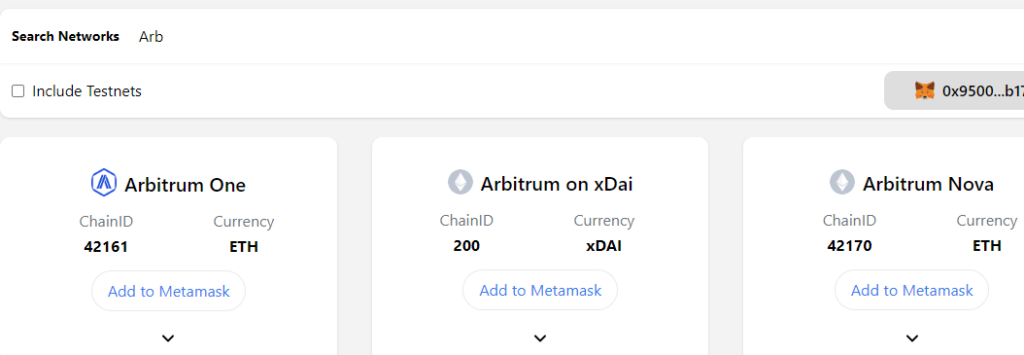
Arbitrum Nova is an EVM-compatible network. To add it to a popular Web3 wallet MetaMask, you can use Chainlist.
Click the Connect Wallet in the top-right corner, then type the network name in the Search Networks field. After selecting the network, click Add to MetaMask.


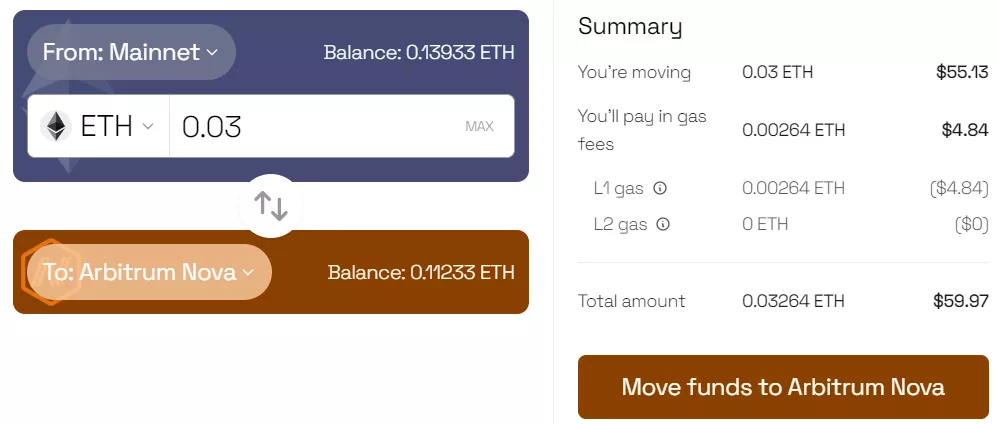
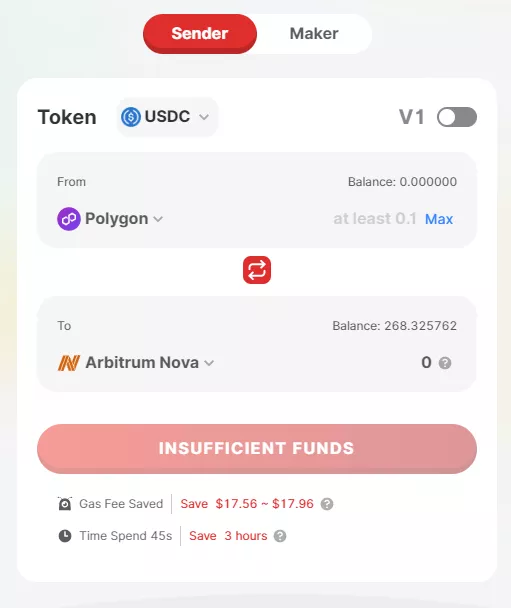
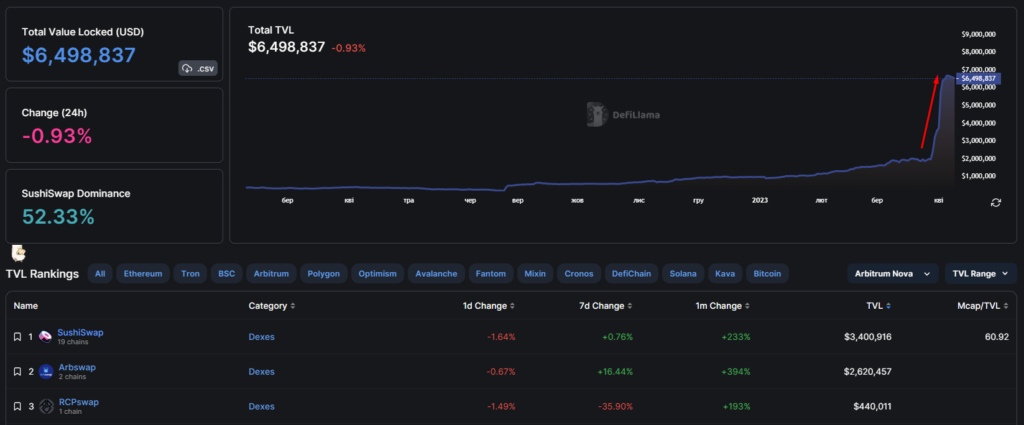
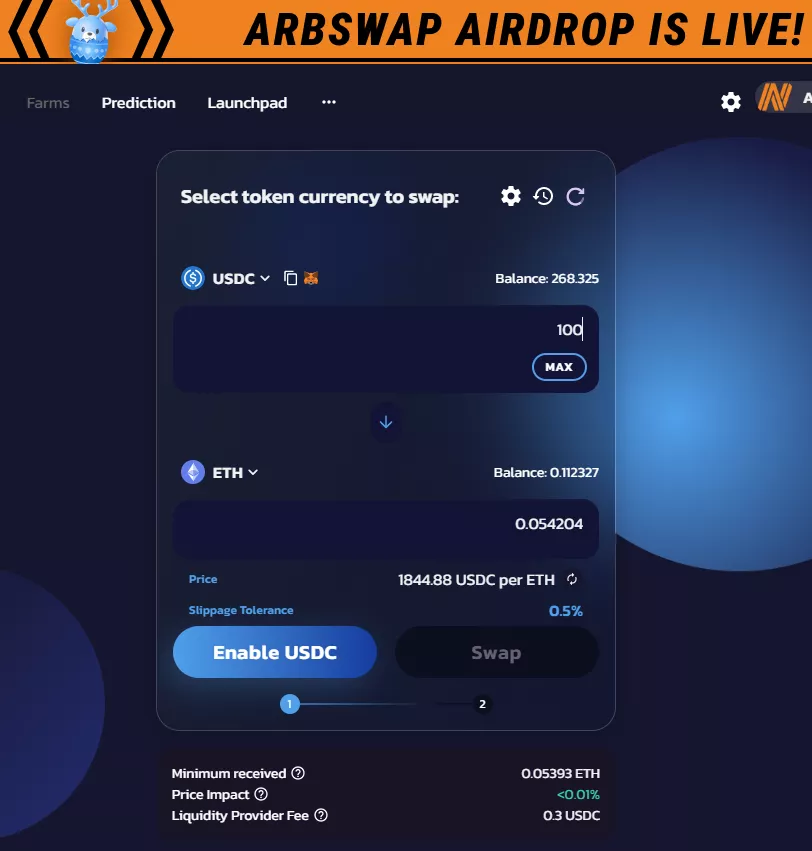
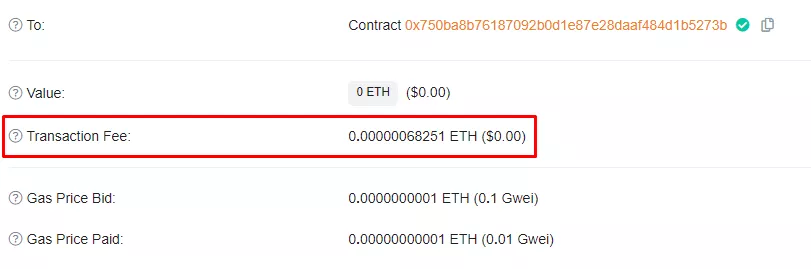
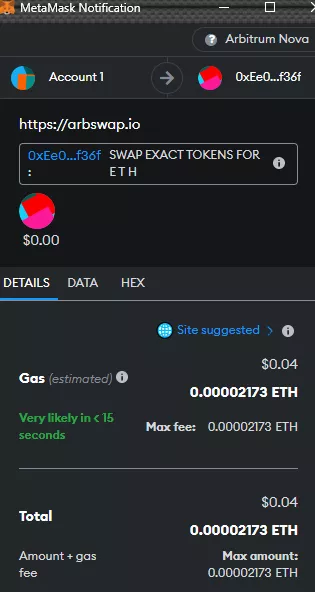
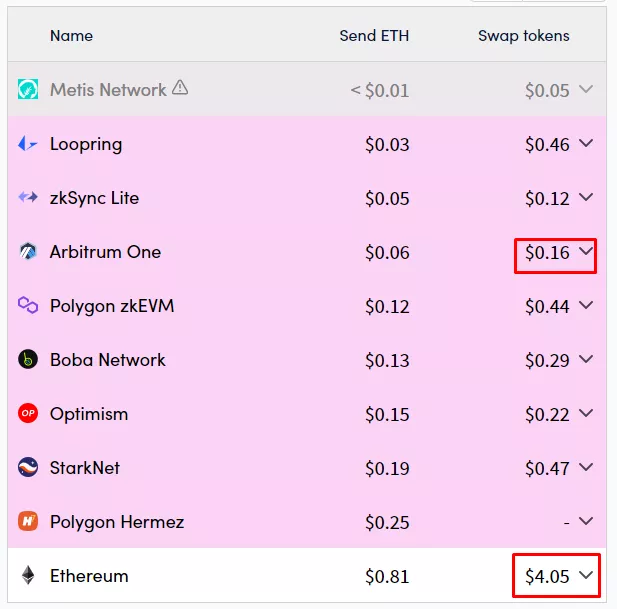
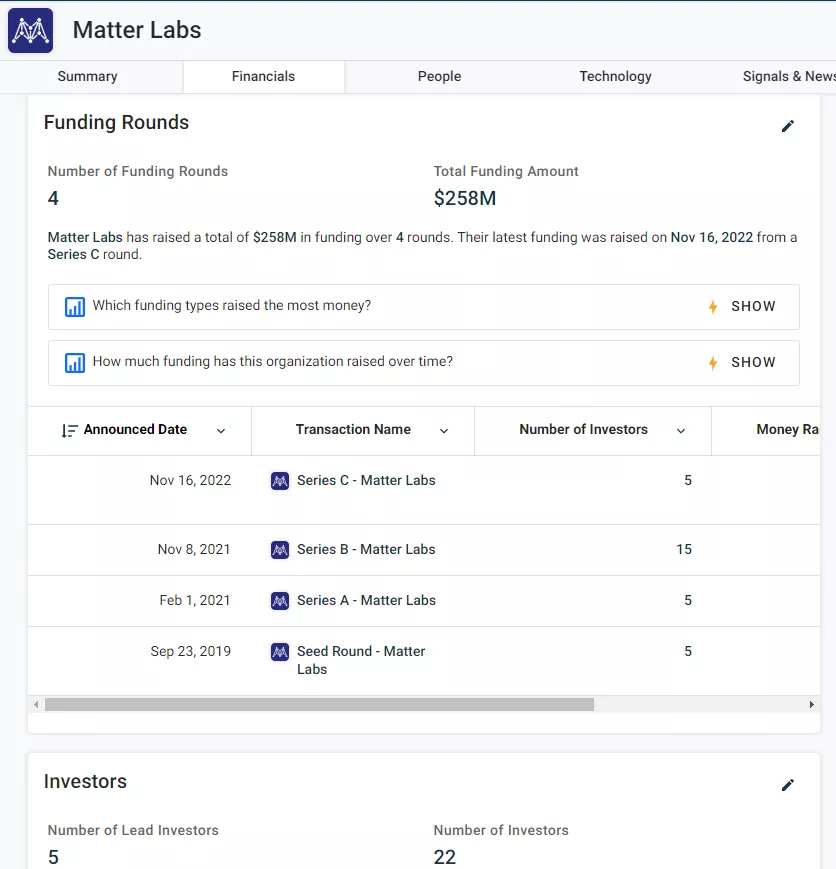
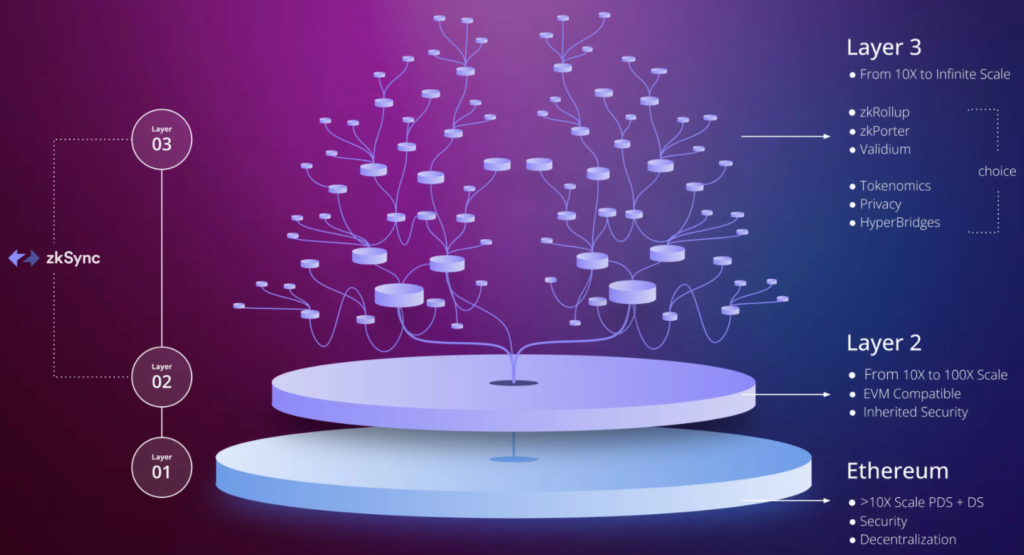
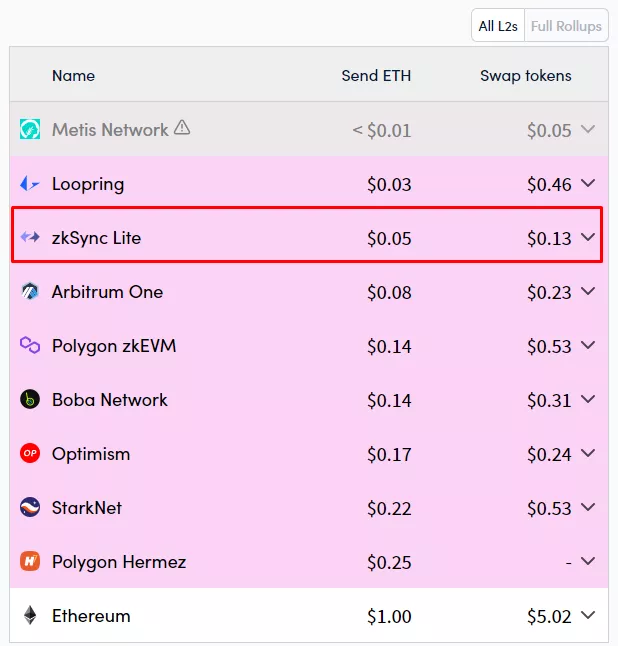
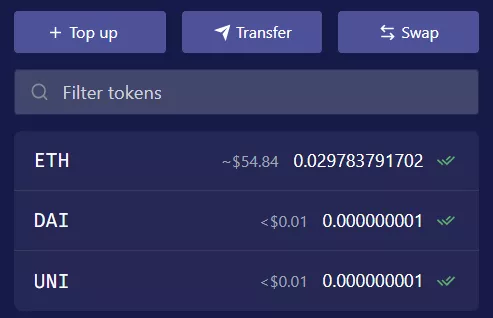
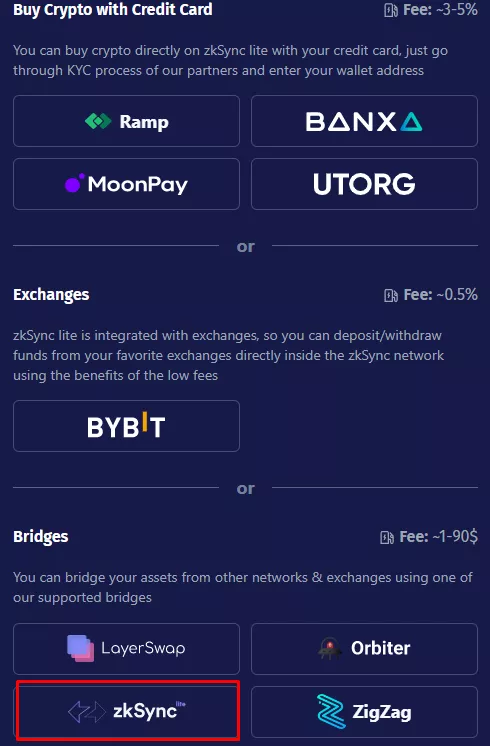
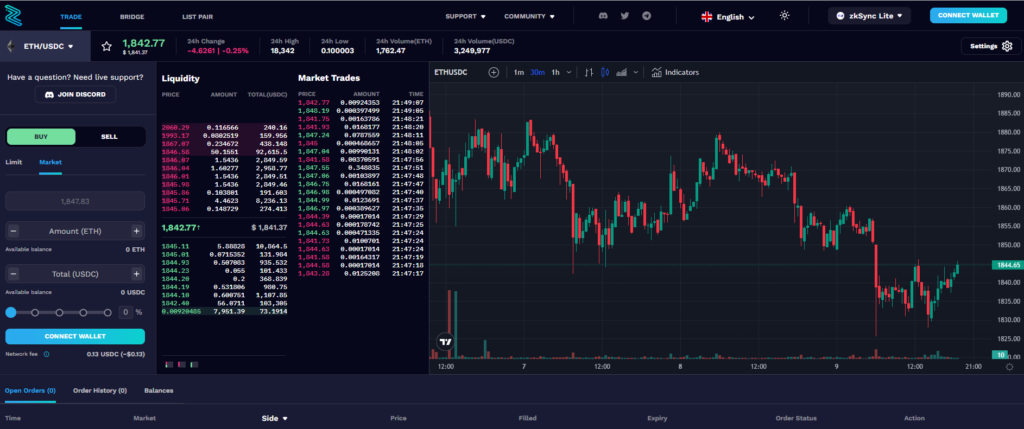
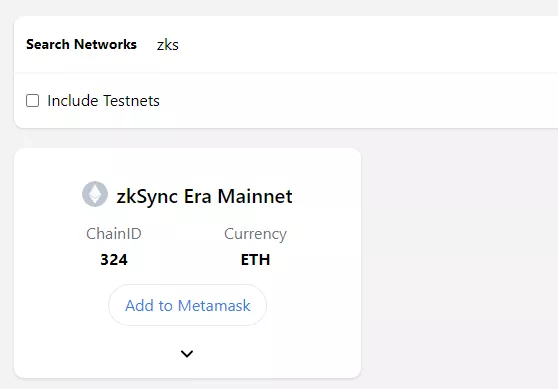
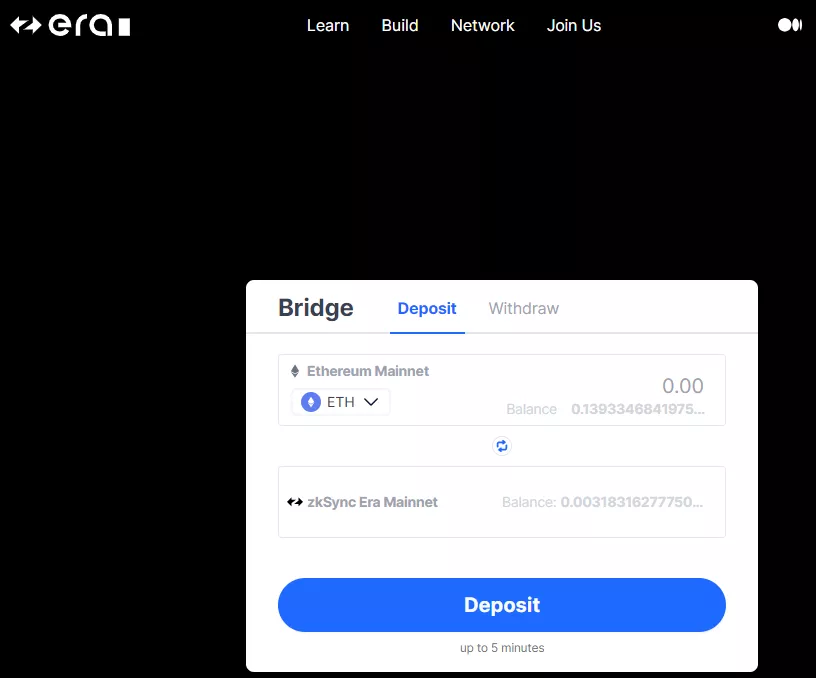
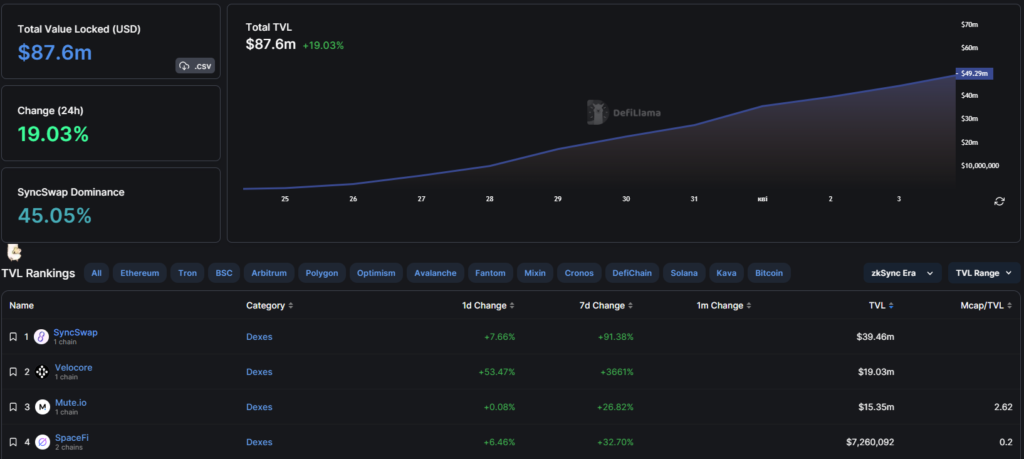
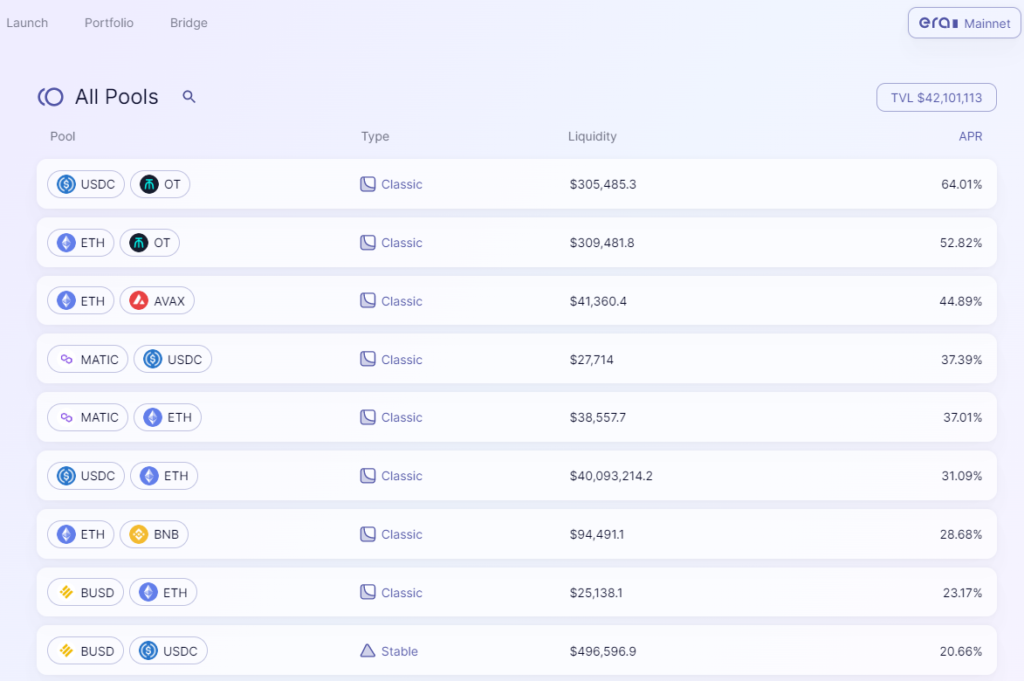
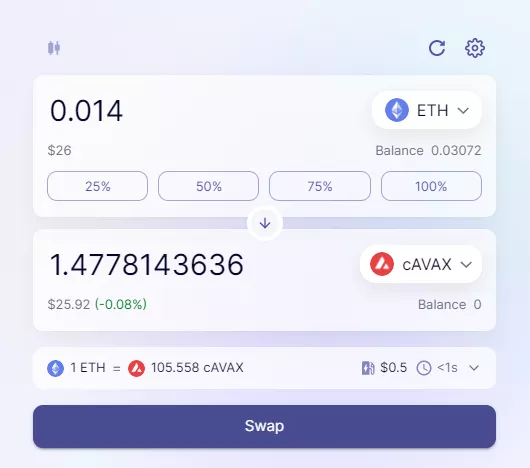
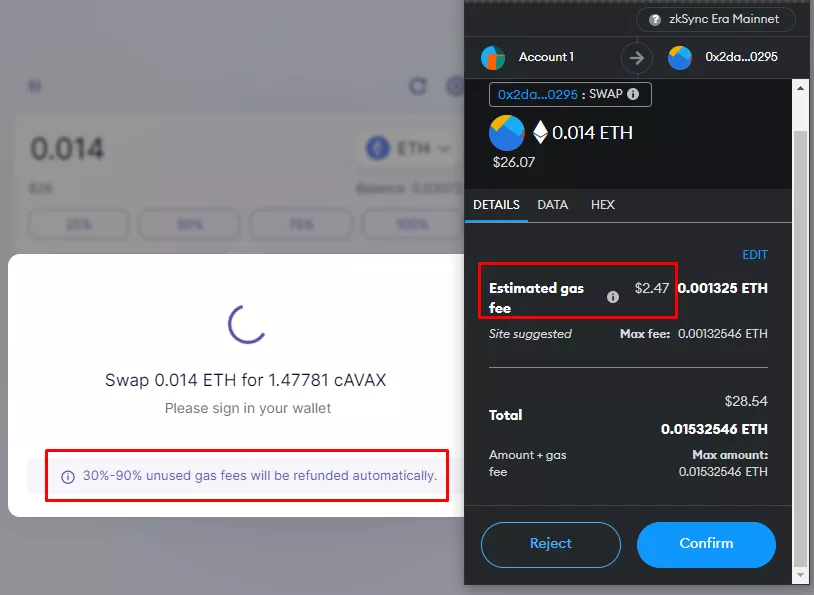
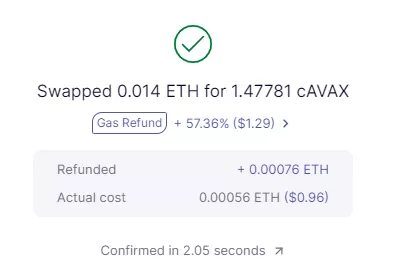
After that, you need to transfer ETH from the Ethereum mainnet to Arbitrum Nova. This can be done via the official The cost of this operation can vary significantly depending on the current gas price in the Ethereum network. You can track it on Etherscan or with the browser extension CoinTool. There are other cross-chain bridges as well — for example, Orbiter. The latter allows transferring ETH or the stablecoin USDC from many other networks. The Arbitrum Nova-based ecosystem is still very young, so its TVL remains relatively small — about $6.5 million (as of 09.04.2023). However, since the airdrop announcement in the second half of March, the metric has been rising rapidly. Likely many market participants hope the network will also launch its own utility token. The ecosystem is represented by only a handful of DEX. The biggest include the well-known SushiSwap and the young Arbswap trading platform. The latter’s interface is largely similar to other such platforms — all the same exchange and liquidity-adding-to-pool features. There is also a Predictions section — for forecasting the ARB token price. At the top of the site, the banner reads “Arbswap airdrop is live!”. Clicking it takes you to a page with activities required to obtain an ArbEgg NFT. There is also a Farms section, but it is currently inactive — farming may become available after the airdrop. Fees in Arbitrum Nova are indeed very low. For example, approving USDC for trading on Arbswap cost less than a cent (0,00000068251 ETH). The on-exchange fee for swapping 100 USDC for ~0,054 ETH was about $0,04. The transaction went through almost instantly. Similarly, the operation on Arbitrum One would have cost about $0.16, and on Ethereum — $4.05. Providing liquidity to the USDC-ETH pool on the Arbswap exchange in the Arbitrum Nova network cost $0.05, which is also fairly cheap. The high speed and cheap transactions of the new network come with centralization risks. For instance, fraud proofs are carried out by ecosystem participants from a whitelist. “Funds may be stolen if none of the selected verifiers checks the published state”, — L2BEAT analysts noted. Also, they say, the system uses a “privileged sequencer” that can prioritise transactions at its own discretion. This centralization carries MEV front-running risks within MEV. This L2 protocol is positioned as a mechanism for scaling and privacy for Ethereum. At its core lies the ZK-Rollups technology, on which Vitalik Buterin has placed high hopes. Development of zkSync began in the summer of 2020, though the company behind it, Matter Labs, has been working on L2 solutions based on Alexey Glukhovski. In June 2020 a beta version of the platform with throughput up to 200 transactions per second was unveiled. Among its distinctive features: In early 2021 the Matter Labs raised $6 million from Union Square Ventures, Coinbase, DeFi projects Aave, Balancer and Curve Finance, and venture firms Placeholder, 1kx, Dragonfly Capital and others. Later that year the startup announced a Series B round of $50 million. It was led by a16z. Other participants included Blockchain.com, Crypto.com, ConsenSys, Bybit, OKEx, Alchemy, Covalent. In November 2022 the firm raised $200 million in a Series C. The total amount of investments raised by the project over four rounds stands at $258 million. In February 2022 the team launched zkSync 2.0 on Ethereum testnet as the first EVM-compatible Layer-2 solution based on ZK-Rollups. Later that year the startup announced the launch of the third-layer test network (L3) Pathfinder atop Ethereum. The developers say the new solution represents an ecosystem of interconnected blockchains based on zkEVM, dubbed “hyperchains”. Among other notable advantages of the new system, Matter Labs highlighted the ability to deploy their own HyperBridge bridges. In March 2023 the launch of the alpha version of zkSync Era, which was previously called zkSync 2.0. It introduces account abstraction — meaning that every address in the network is represented by a separate smart contract. The developers noted that initially the protocol would not be fully decentralized, to give the team time to fix security issues. Matter Labs spent $3.8 million on several smart contract audits and rewards for white-hat hackers. The zkSync rollups provide high privacy for operations and allow scaling of the Ethereum mainnet: many transactions are bundled into a single batch that is confirmed on the L1 blockchain. “The most notable differences lie in transfers of ETH and ERC-20 tokens with low gas costs. They are fast and cheap relative to L1 and Optimistic Rollups,” — Hacken analysts noted. The screenshot below shows that gas fees for sending ether and token swaps on zkSync are lower than on many other L2 solutions. Among other advantages of zkSync, Hacken researchers highlight: Among drawbacks they cited: To use zkSync Lite (formerly zkSync 1.0), go to the project’s site and connect a wallet — for example, MetaMask. Then transfer ETH from the Ethereum mainnet to L2 by clicking Top up. Then at the bottom select zkSync from the cross-chain bridges list. After this, enter the amount, click Top up and confirm the transaction in your wallet. Within a few minutes the funds will be credited to the zkSync Lite network. You can also use an unofficial cross-chain bridge like Orbiter. It allows moving funds from any other supported network, not just Ethereum. As of writing, zkSync Lite is fully functional only on the ZigZag exchange, which in recent weeks has been facing a wave of “airdrop hunters”. To interact with this DEX you need to connect MetaMask in the top-right corner and select the corresponding network (ZigZag also supports Arbitrum). To use zkSync Era, first add it to your Web3-wallet. The easiest way is to use ChainList, which you already know. After clicking Add To MetaMask, confirm the use of the network in your wallet. Then you need to move ETH to zkSync Era via the official bridge or via another cross-chain solution. Funds are placed in L2 within a few minutes. Withdrawals to the Ethereum mainnet take much longer — up to 24 hours, due to the nature of the technology. Assets are credited to your wallet automatically — there is no need to revisit the site and click Claim, as with some other Layer-2 solutions. Unlike zkSync Lite, the zkSync Era ecosystem is more developed — it is supported by more than a dozen platforms. TVLs of many are growing rapidly. Leading the ecosystem is the non-custodial exchange SyncSwap. In just seven days its TVL grew by more than 90%, approaching $40 million. The platform’s functionality is similar to many other DEXs. Let’s try placing some funds into the ETH-AVAX pool, whose yield at the time of writing is ~45%. To do this, go to the Trade section and swap some ETH into AVAX. Be sure to leave a little ETH on balance to pay fees. In the bottom-right corner of the screenshot it states that the operation would cost $0.5 and take less than a second. After clicking Swap, a window appeared saying that 30-90% of unused gas is reimbursed automatically. MetaMask, meanwhile, displayed an estimated fee of $2.47. After clicking Confirm the transaction indeed went through almost instantly, and the fee was $0.96 (including gas reimbursement). Costs to unlock cAVAX were $0.23, and the operation took exactly 1 second. The fee for placing tokens into the pool (including gas reimbursement) was $1.80, not insignificant compared with similar transactions on Arbitrum Nova. All ecosystem projects can be viewed on the site. As with other protocols, zkSync has a block explorer and analytics portal — zkScan. So far Matter Labs has not announced the release and distribution of the project’s utility token. In CoinDesk’s comment, Alexey Glukhovski said that such plans do not exist and his team remains focused on further developing the protocol. “The token only comes into play once the network is sufficiently decentralized, which is still somewhere on the horizon,” the project head emphasised. However, many in the crypto community hope for a generous new coin distribution and thus actively engage with the emerging zkSync ecosystem, sharing airdrop-farming activities on Twitter. zkSync Dapp Airdrop Some people earned up to 6 figs with the $ARB airdrop, $ZKS is likely to be the next big airdrop. Here are 3 Dapps on zkSync to get an Airdrop. Maximize your $ZKS Airdrop in a couple easy steps. Let’s dive in ? pic.twitter.com/w6UEN3Wqjn — Corleone (@corleonescrypto) April 11, 2023 Many of these “recipes” involve not only using official cross-chain bridges and pools on DEXs but also issuing NFTs. Arbitrum Nova and zkSync look promising as Layer-2 solutions; interactions with ecosystems leave a positive impression thanks to low fees and high transactional speed. TVL of apps built on the above protocols is rising rapidly, largely due to FOMO after generous utility-token airdrops from Arbitrum. The positive trend is especially evident in zkSync Era’s ecosystem. One might ask whether airdrops are “air money.” But a definitive answer is difficult. On the one hand, market participants enthusiastically explore new ecosystems, testing sometimes still-raw DEXs and cross-chain bridges at their own risk. This activity gives decentralized platforms essential liquidity, and the issued token is used for governance on various protocol-development matters initiated by {{AOPEN__24}}ДАО

zkSync: EVM and ZK-Rollups in one package




Will zkSync’s token airdrop happen?
Conclusions


On the other hand, some users try to participate in as many potential token distributions as possible. This “airdrops farming” involves creating many wallets to interact with different apps in new networks.
Some crypto-community members consider this behavior somewhat unfair, and the heightened activity in new protocols—somewhat unnatural and often economically irrational.
And yet, projects that run airdrops, such as Uniswap or Optimism, hold strong positions and are highly valued by many users. Therefore, one can expect the emergence of new protocols with their own utility tokens in the future.
But in competitive terms, those with innovative technologies, a compelling value proposition, and well-thought-out tokenomics are likely to prevail.