




As artificial intelligence-based payments evolve, stablecoins could gain significant momentum, even though their current use in this area is limited. This perspective was shared by Bernstein, reports The Block.
Experts believe that fiat-pegged assets could become the foundation for machine operations—transactions entirely initiated, authorized, and conducted by a program or autonomous device.
Stablecoins fit perfectly into this model. They are programmable, suitable for micropayments, and globally accessible. Payment logic—conditional escrow, revenue sharing, or phased fund release—can be embedded directly into the stablecoin. Agents do not require banks or confirmations.
Transfers take seconds—digital assistants can pay for computations or data in real-time. High-performance blockchains and state channels make mass micropayments economically viable, analysts noted.
Several major players are already laying the groundwork for these scenarios:
- Coinbase is developing the x402 protocol, embedding payments into the internet’s HTTP layer;
- Circle has launched nanopayments for agents;
- Stripe, through investments in Bridge and Privy, introduced a machine payments protocol on the Tempo blockchain.
Modest Beginnings
The implementation of protocols for machine payments is progressing slowly. Stripe’s MPP processed only $5,000 in its first week after release, while Coinbase’s x402 handled about $25 million over the past 30 days.
However, Bernstein emphasized that their investment thesis regarding stablecoins is not tied to AI payments. The sector already shows steady demand from consumer and corporate applications.


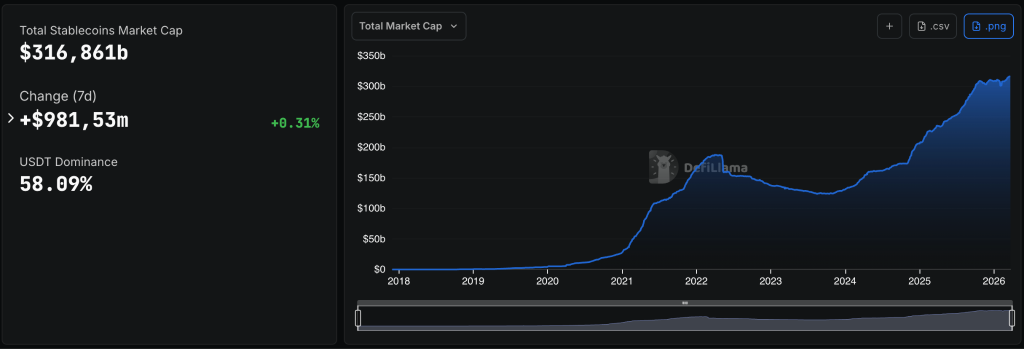
Analysts noted exponential growth in payment scenarios: cross-border business settlements, remittances, and neobanking based on stablecoins linked to cards.
In their view, products from Circle and Coinbase remain the most direct tools for gaining exposure to the industry’s growth. AI payments offer additional potential, but the main investment thesis rests on the widespread adoption and liquidity of USDC.
Back in 2026, Circle’s stablecoin surpassed Tether’s USDT in adjusted volume for the first time in seven years.