


Beyond ERC-404: how b0rder1ess’s NAP works
In early 2024, Ethereum’s community buzzed over experimental ERC-404 and DN-404 tokens that combine characteristics of ERC-20 and ERC-721.
In January 2024, the developers at b0rder1ess unveiled the Native Assurance Protocol (NAP), which tackles NFT-market liquidity without creating new standards. Here is a look at the project’s ecosystem and the advantages of NAP.
What is b0rder1ess
b0rder1ess is a Polygon-based, community-governed ecosystem. Its creators are building technology that extends NFT functionality: Native Assurance Protocol, Avatar Standalone Identity and Self-Organizing Communities.
The project was founded by a team of crypto-enthusiasts and creative-industry professionals. At the time of publication, two units are developing the b0rder1ess ecosystem:
- b0rder1ess.1ab (b.1ab) — responsible for technology;
- b0rder1ess.studi0 (b.studi0) — creates and incubates NFTxDeFi projects, including marketing strategy, tokenomics and visual design.
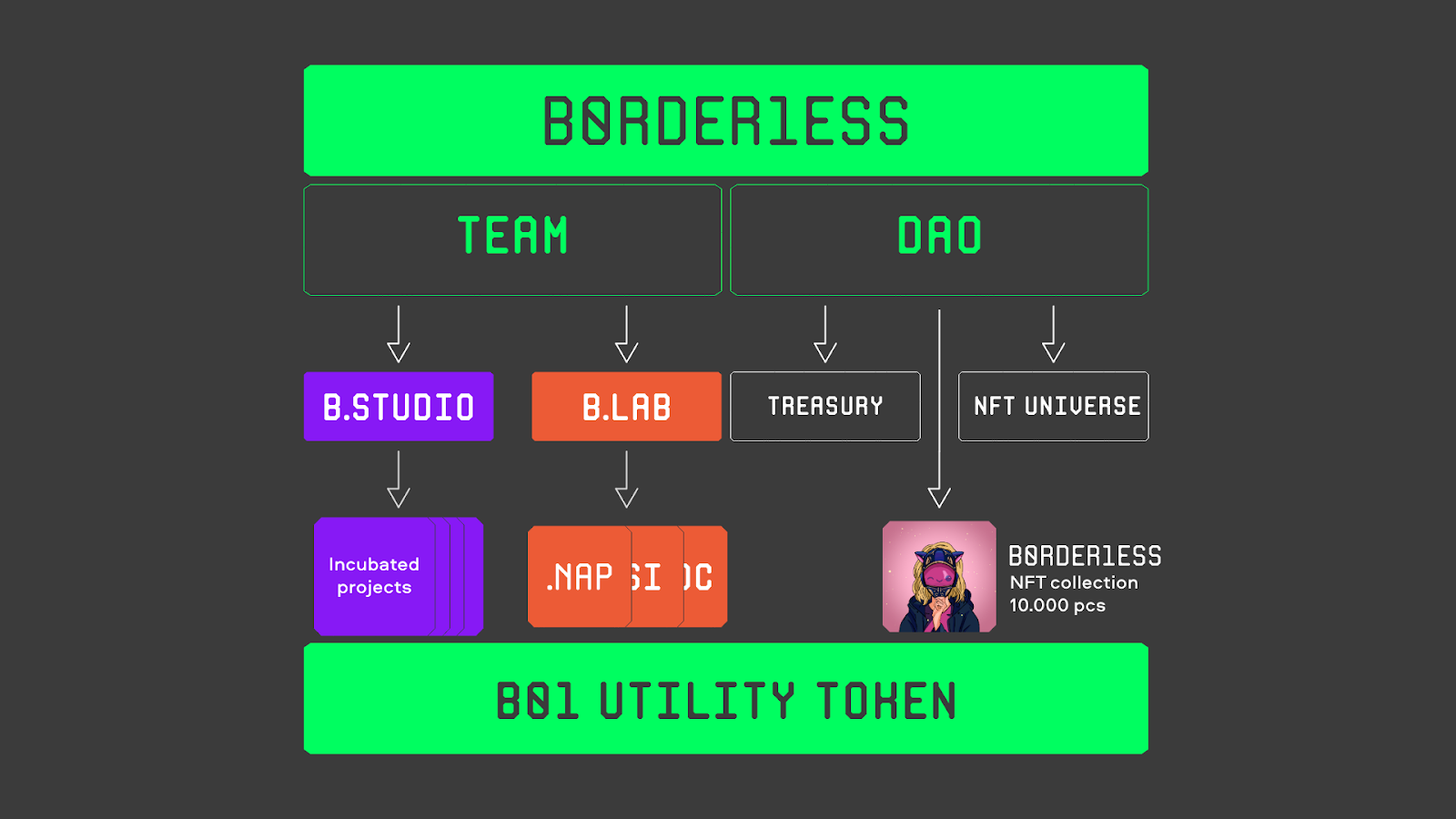
The b0rder1ess ecosystem has two core assets:
- b01 — a utility token that grants access to various platform features and services;
- b0rder1ess.nft — a collection of non-fungible tokens from b0rder1ess.studi0, represented as unique digital avatars (masks). Holders will be able to take part in project governance through a DAO.
In 2023 the project received support from Polygon Labs, completed the Blocklogica Web3 accelerator, and secured $500,000 in funding from AX1 angel investors.
How the Native Assurance Protocol differs from ERC-404
NAP is a protocol for swapping collateralised ERC-721/ERC-1155 assets into ERC-20 tokens and back. Technically it is a family of interlinked smart contracts for the EVM. Polygon and its subnets will be the first supported networks.
ERC-404 implements NFT fractionalisation. For example, users can create new artworks by collecting a certain number of fungible tokens, or mine gaming ERC-20 tokens to customise NFT items in Web3 games.
“It is important to keep in mind that ERC-404 does not support ‘old’ collections. The features of the standard will only be usable in new NFTs,” representatives of b0rder1ess comment.
The Native Assurance Protocol supports all ERC-721/1155 tokens and also creates liquidity and arbitrage between NFT and DeFi markets. It does not require new standards and, should ERC-404 be adopted by the community, will ensure it interoperates with existing ones.
“Development of NAP began about two years ago. We take a broader view of this market and are working not only on the NFT liquidity problem. It is more about handing control of the project over to the community,” asserts CPO b0rder1ess under the pseudonym RK.
A now common negative scenario for releasing an NFT collection can be described as follows:
- Users mint NFTs. They receive tokens, and the creator gets the money. A project’s success is measured by its floor price.
- If the floor stays below the mint price for a long time and the creators do not react, panic selling begins. Even 100 users can spark a rout, trying to sell NFTs at any price.
- The project collapses. The creator walks away with the money, early sellers recoup part of their stake, and the rest are left with nothing.
NAP changes the approach to launching NFTs: projects collateralise each collection using funds raised during the mint.
“Any ERC-20 asset can be used as collateral, but we recommend the project’s DeFi LP tokens. By using 50% of public-sale proceeds, you can secure a solid starting floor at the mint price. If revenues feed into tokenomics, it will rise. In a 10,000-NFT collection, 100 sellers would push the floor down by less than 1%,” representatives of b0rder1ess explain.
The protocol creates two parallel markets with arbitrage opportunities — trading on NFT platforms such as OpenSea and via the NAP interface through Uniswap.
“Each non-fungible token has its own collateral value. You can always swap your NFT for DeFi liquidity — that is, sell it for stablecoins or other tokens,” notes RK.
According to him, this approach will attract additional audiences. NAP-based collections will have fungible tokens suitable for listing on centralised exchanges: users will be able to invest without buying an NFT.
“We will change Web3 perception and user experience by showcasing the protocol through several studio projects. We will start with Polygon and Ethereum, and then add other popular networks.
We will also support developers. We are confident that hundreds of projects will choose this protocol in 2024. Dozens of projects are already showing interest in launching NFT collections on NAP,” b0rder1ess assert.
The first collection will be b0rder1ess.nft. It will comprise 10,000 digital avatars (masks) — ERC-721 tokens on Polygon. The launch is scheduled for March 2024.
“We do not view the owners of these NFTs as clients, buyers or consumers, but as co-owners and partners. That is why a significant share of royalties and NAP protocol revenues from all collections will be directed to increasing the collateral of b0rder1ess.nft. Every person behind the mask is a creator in the creator economy,” the b0rder1ess documentation says.
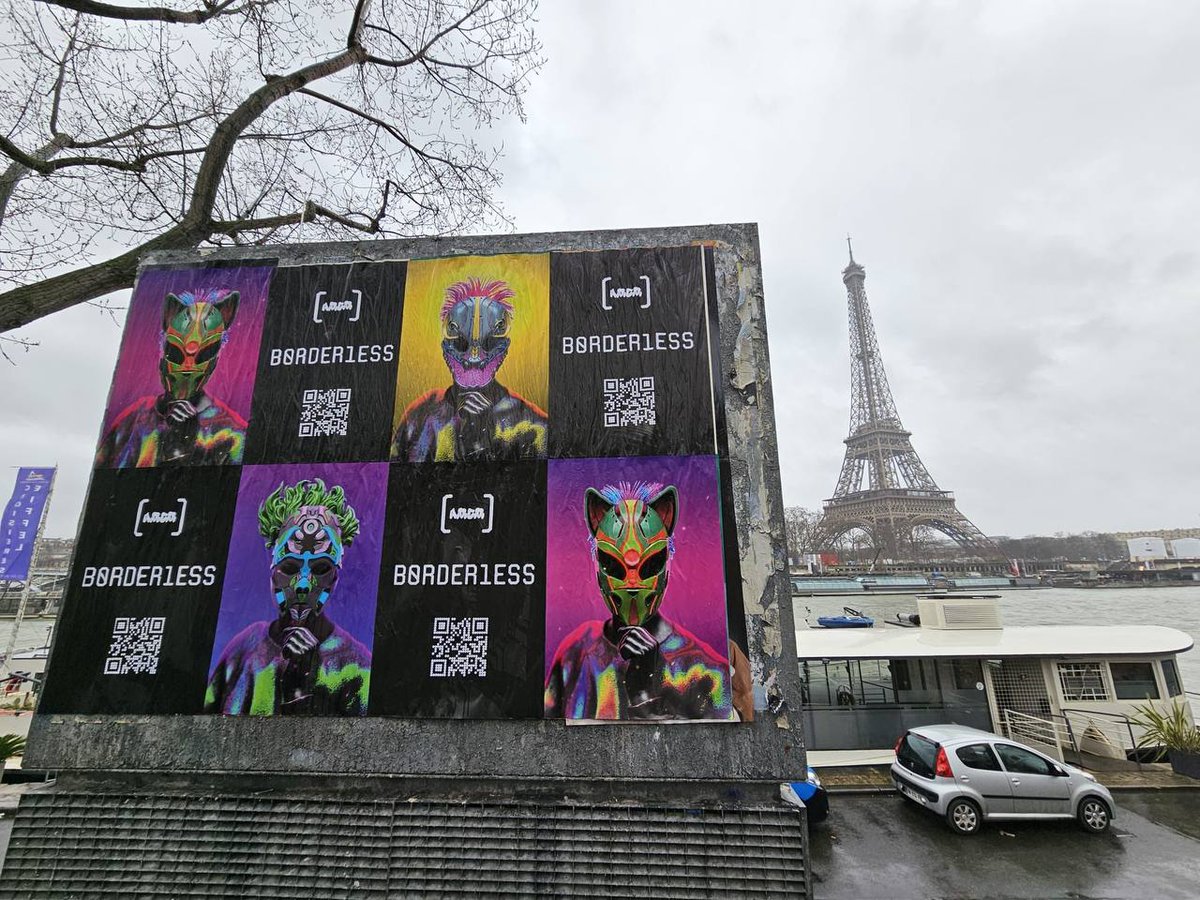
On 29 February the project launched the first phase of its Web3 game, b0rder1ess Game. To participate, connect a wallet that supports Polygon. Winners will receive a whitelist spot for the b0rder1ess.nft mint and a b01 token airdrop.
Conclusions
The Native Assurance Protocol is infrastructure that connects NFT and DeFi markets. It offers several notable advantages over ERC-404/DN-404. In particular, NAP can be applied to both existing and new NFTs.
At the time of publication, the b0rder1ess team is working on the first collection based on the protocol, which will underpin its ecosystem. Even now, many NFT projects are interested in moving to the Native Assurance Protocol to improve liquidity and create more flexible tokenomics.
Рассылки ForkLog: держите руку на пульсе биткоин-индустрии!