



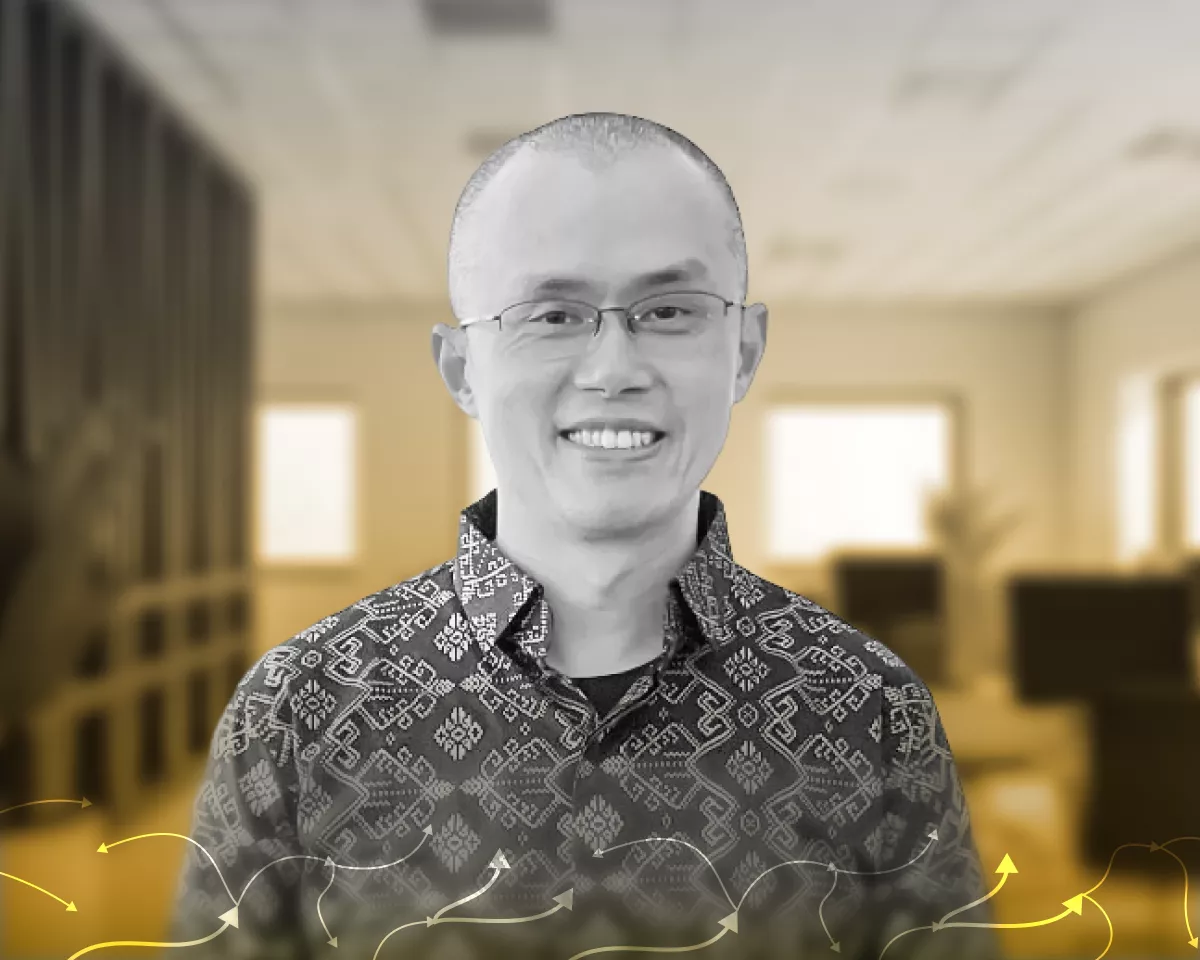
Binance co-founder and former CEO Changpeng Zhao has criticized a WSJ article alleging he acted as a “middleman” for the DeFi project World Liberty Financial (WLFI).
Another hit piece from Wall Street Journal. WSJ instead of doing journalism, has pretty much resorted to Cunningham’s Law, with negative intentions.
“Cunningham’s Law: The best way to get the right answer on the Internet is not to ask a question; it’s to post the wrong answer.”…
— CZ ? BNB (@cz_binance) May 23, 2025
According to the publication, Zhao facilitated international contacts for a company affiliated with the family of former U.S. President Donald Trump following his own meetings with officials in Pakistan, Malaysia, and Kyrgyzstan.
However, Zhao stated that the WSJ misleads readers and deliberately tailors facts to fit its narrative.
He denied journalists’ claims that he allegedly arranged for WLFI to meet with Bilal bin Saqib, head of the Pakistan Cryptocurrency Council. The result was the official’s appointment as a consultant to the firm and the signing of a memorandum of understanding with the country’s government.
“I am not a middleman for anyone and did not ‘connect Mr. Saqib with the WLFI team’,” Zhao stated.
According to him, “they have known each other for a long time,” whereas Zhao himself met the official for the first time during his own visit to the country.
Zhao refuted the newspaper’s information that he participated in organizing foreign contacts for the DeFi platform.
“If you make a couple of factual errors, they can be corrected. When you initially concoct a story with negative intentions, there is no way to eliminate the ‘inaccuracies’,” wrote the Binance founder.
He compared the WSJ’s approach to reporting events to Cunningham’s Law, which states that the best way to get the right answer on the internet is to post the wrong one. Journalism “should not work this way,” Zhao emphasized.
He speculated that certain anti-crypto forces in the U.S. are merely using the publication as a mouthpiece.
WLFI described the newspaper article as a “smear campaign.”
The WSJ published a smear campaign, not a news story. Our Co-Founder @zakfolkman set the record straight:
“The Wall Street Journal just published an article so full of fiction, misdirection, and political spin it could’ve been labeled opinion—if it weren’t masquerading as…
— WLFI (@worldlibertyfi) May 23, 2025
“WSJ just published an article so full of fiction, misdirection, and political spin that it could have been labeled opinion if it weren’t masquerading as journalism. This is a coordinated attempt to discredit honest entrepreneurship with false stories and lazy insinuations,” said company co-founder Zak Folkman.
According to Reuters, in January, the U.S. President’s family consolidated control over WLFI. They now have the right to 75% of the net income and 60% of the DeFi platform’s operations after the launch of the main product.
Donald Trump is listed in company documents as the “chief crypto advocate,” while his sons Eric, Barron, and Donald Trump Jr. are named as Web3 ambassadors. They do not hold official positions in the project.
Back in March, WSJ and Bloomberg reported on plans by the Trumps and WLF to acquire a stake in Binance’s U.S. business.
The information was denied by both Zhao and representatives of the company affiliated with the president’s family.