




- Deribit traders are betting on the “digital gold” to reach $140,000.
- Analysts remain split over the four-year cycle.
- Willy Woo called bitcoin the “perfect asset” for the next millennium.
On August 11, bitcoin set a monthly high at $122,000. At the same time, Ethereum broke through $4,300, a level last seen in 2021.


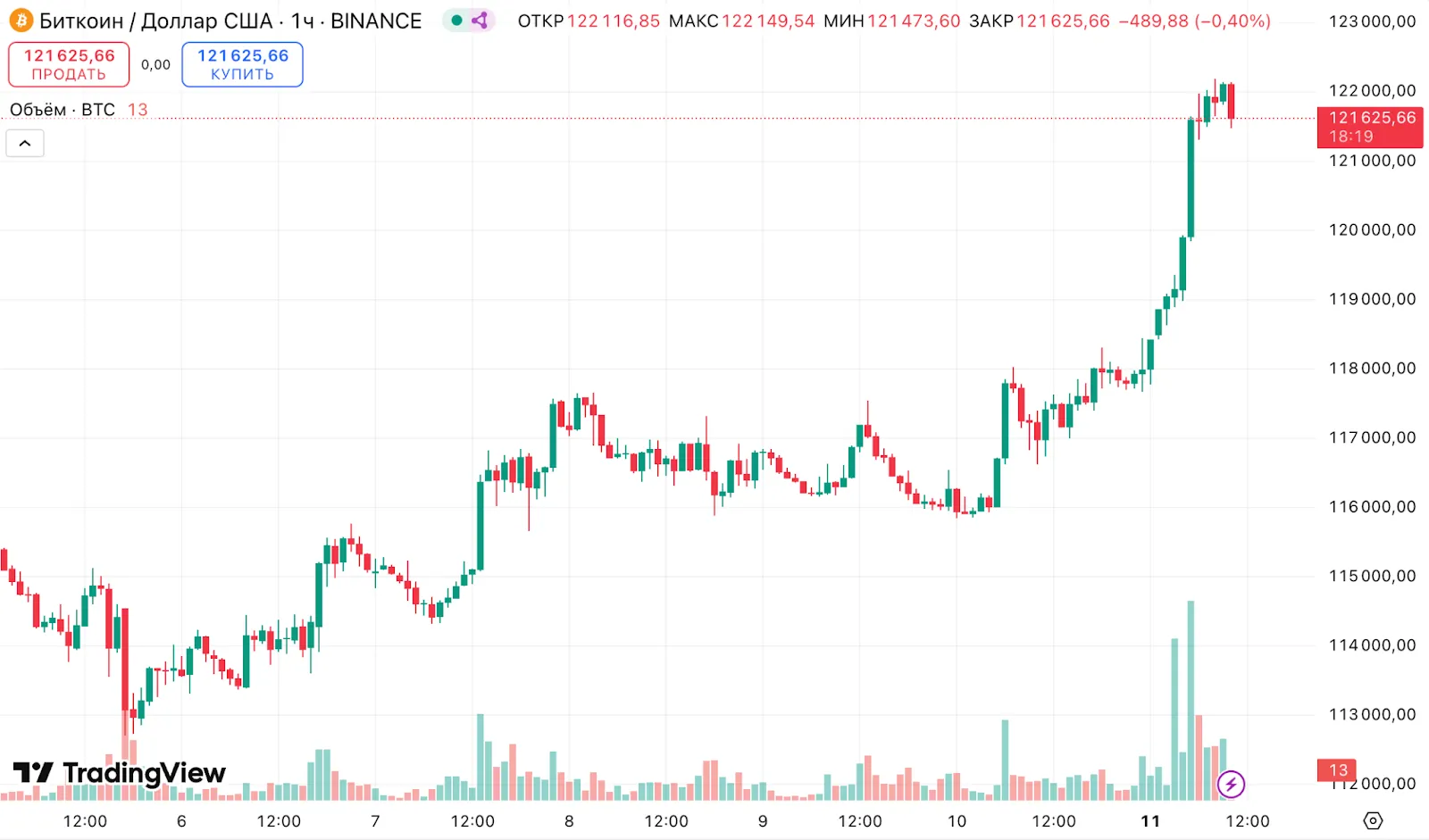
In June, bitcoin had already tested $122,000 before retreating to $112,000.
According to CoinGecko, the total crypto market capitalisation rose 2.5% over the past 24 hours to $4.1 trillion.


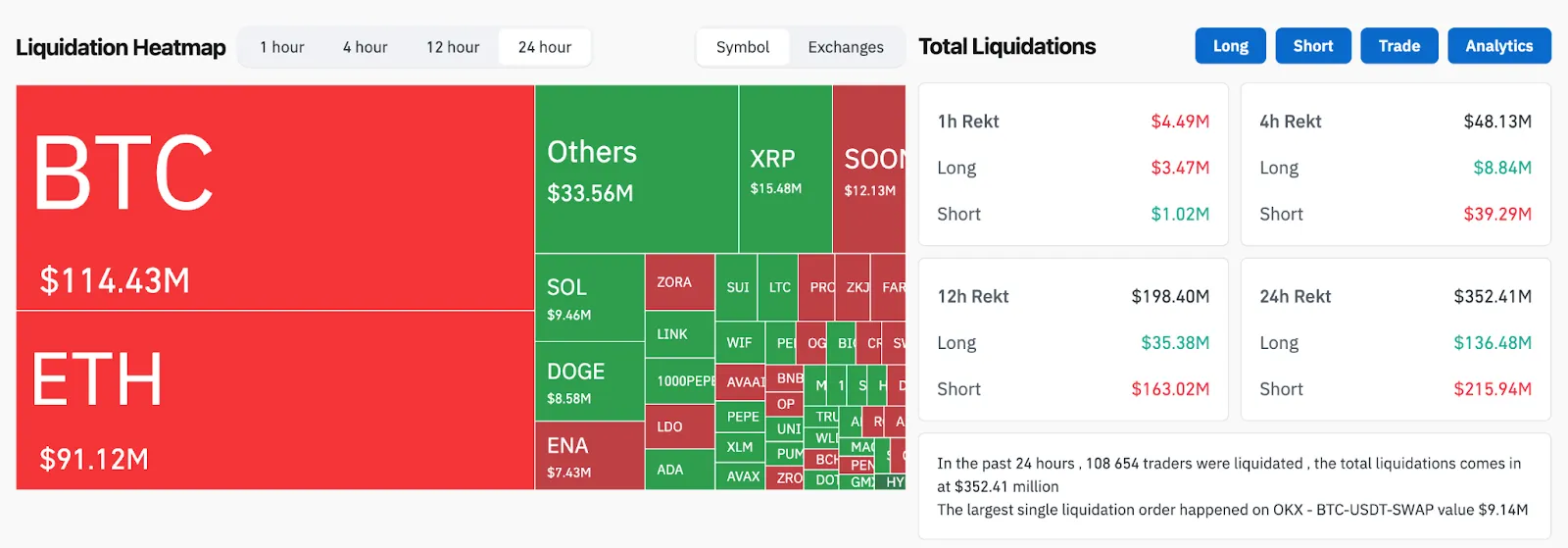
The rebound came without major liquidations. CoinGlass puts the 24‑hour tally at $352 million.

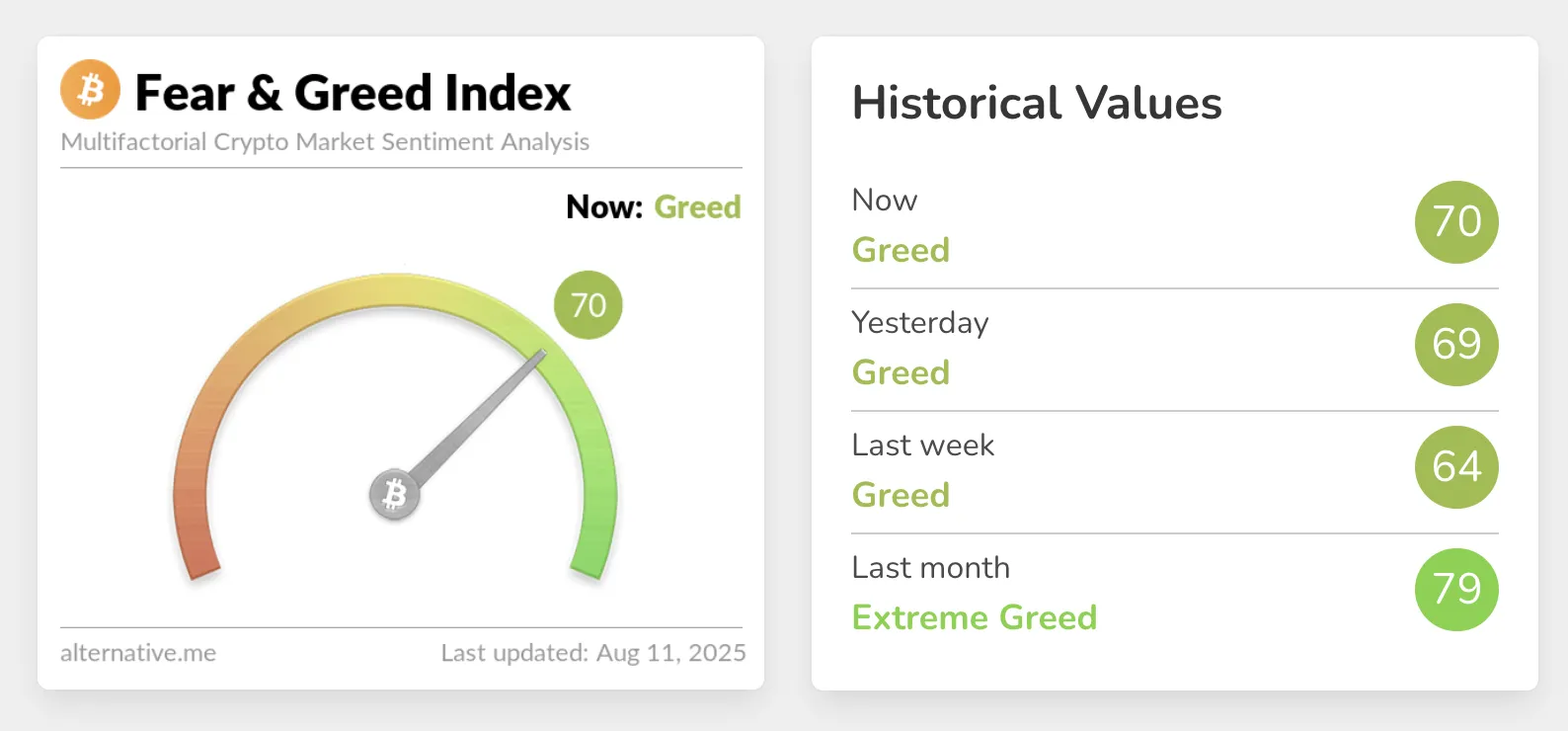
The crypto Fear & Greed Index rose to 70, indicating growing investor interest in digital assets.

Bitcoin is now testing key resistance at $122,056, CoinDesk reports.
A sustained break above the “golden ratio” could propel the price towards $140,000. That is the level most favoured by market participants — Deribit has has recorded a record number of bullish bets with a $140,000 target. The combined notional value of these contracts exceeds $3 billion.
Is the four-year cycle dead?
Investor Jason Williams argued that the cycle theory no longer applies because of the institutional capture of the crypto market. According to him, the 100 largest companies have already accumulated almost 1 million BTC.
This is why the Bitcoin 4 year cycle is over.
Top 100 Bitcoin treasury companies hold almost 1 MILLION Bitcoin 🤯
BlackRock. Fidelity. Bit wise. Etc. pic.twitter.com/8kisGtx580— Jason Ai. Williams (@GoingParabolic) August 9, 2025
According to Pierre Rochard, CEO of The Bitcoin Bond Company, ETFs and corporate treasuries have created a new source of demand that does not depend on halvings.
“The four-year cycles have probably ended. Halvings no longer affect trading volume: 95% of BTC has already been mined, supply is formed by buying coins from early holders, and demand comes from retail investors, ETP and treasury activity,” — wrote he.
Martin Burgherr of Sygnum Bank told Cointelegraph that the cycle theory still holds. It remains a guidepost, but not the main market driver. Macro conditions, regulation and ETF dynamics have become more important.
Analyst CRYPTOBIRB concurred. In his view, the advent of exchange-traded funds strengthened rather than abolished the four-year rhythm, aligning it with US presidential elections.
Saying 4-year cycle is gone is wrong IMO.
ETFs strengthened crypto 4-year cycles.
Just think about it:
Tradfi is 4-year cycles (presidential).
ETFs increase crypto-tradfi correlation.
(see long term correlation coefficient trend).
So merging crypto with tradfi through ETFs… pic.twitter.com/xDuyGO2BYZ
— CRYPTO₿IRB (@crypto_birb) August 10, 2025
He stressed that the four-year cycles cannot be repealed, as they are encoded in Bitcoin’s protocol.
On July 25, CryptoQuant CEO Ki Young Ju said that bitcoin’s cycle theory no longer works. Matt Hougan of Bitwise later confirmed it.
The “perfect asset” for the next millennium
Prominent investor Willy Woo called bitcoin a “perfect asset” thanks to its fixed supply and decentralised nature. In his view, the first cryptocurrency could dominate for the next 1,000 years, but it will need to attract substantial capital to do so.
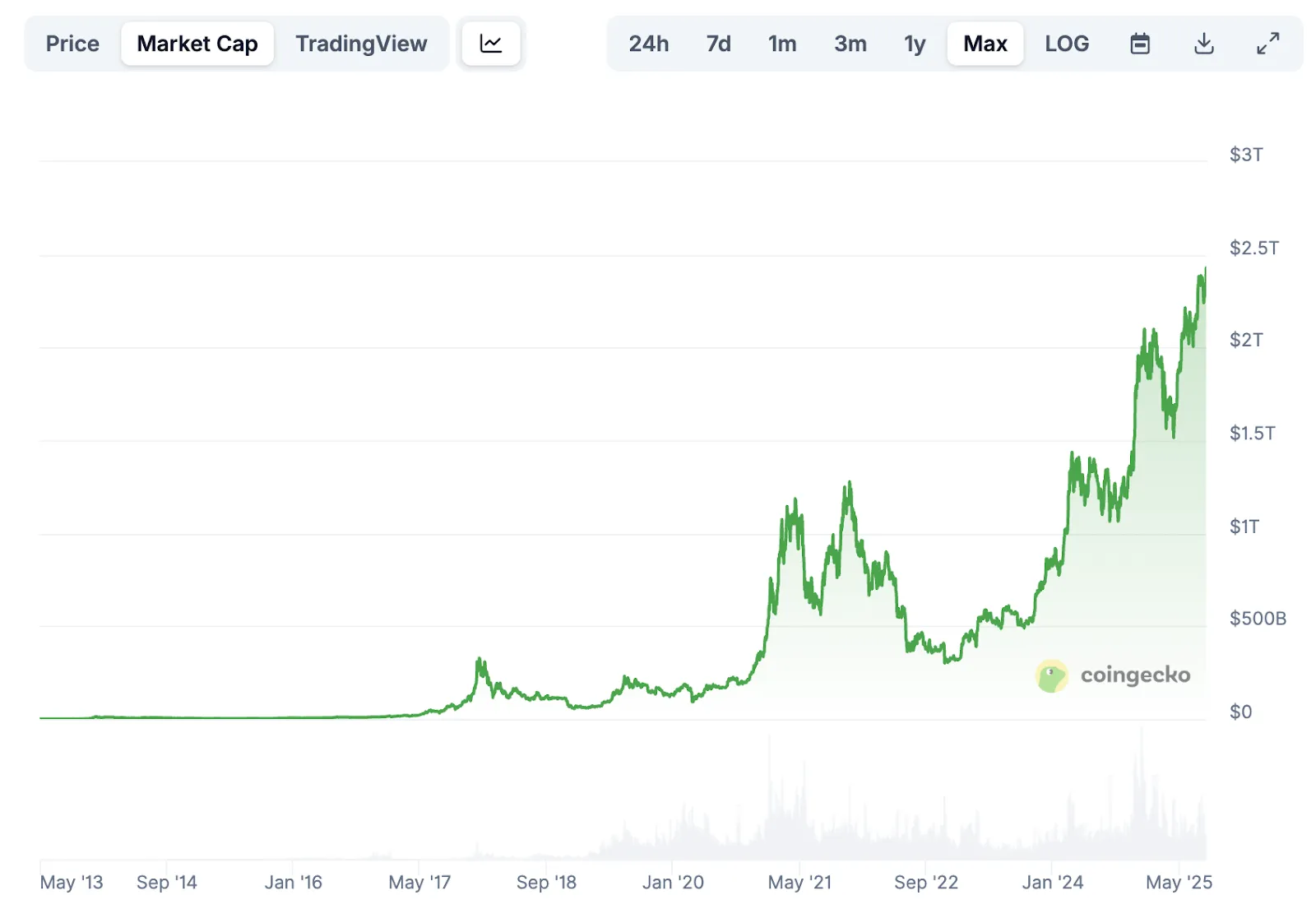
Bitcoin’s current market capitalisation of $2.4 trillion lags far behind gold and the US dollar — $23 trillion and $21.9 trillion, respectively.

Woo highlighted key obstacles to mass adoption. The chief problem, he said, is the concentration of coins in institutional hands. The opaque debt structures of companies accumulating cryptocurrency could lead to a crisis akin to the 2008 mortgage bubble.
Since the start of the year, corporate treasuries and funds bought 371,111 BTC, 3.75 times miners’ output over the same period.