


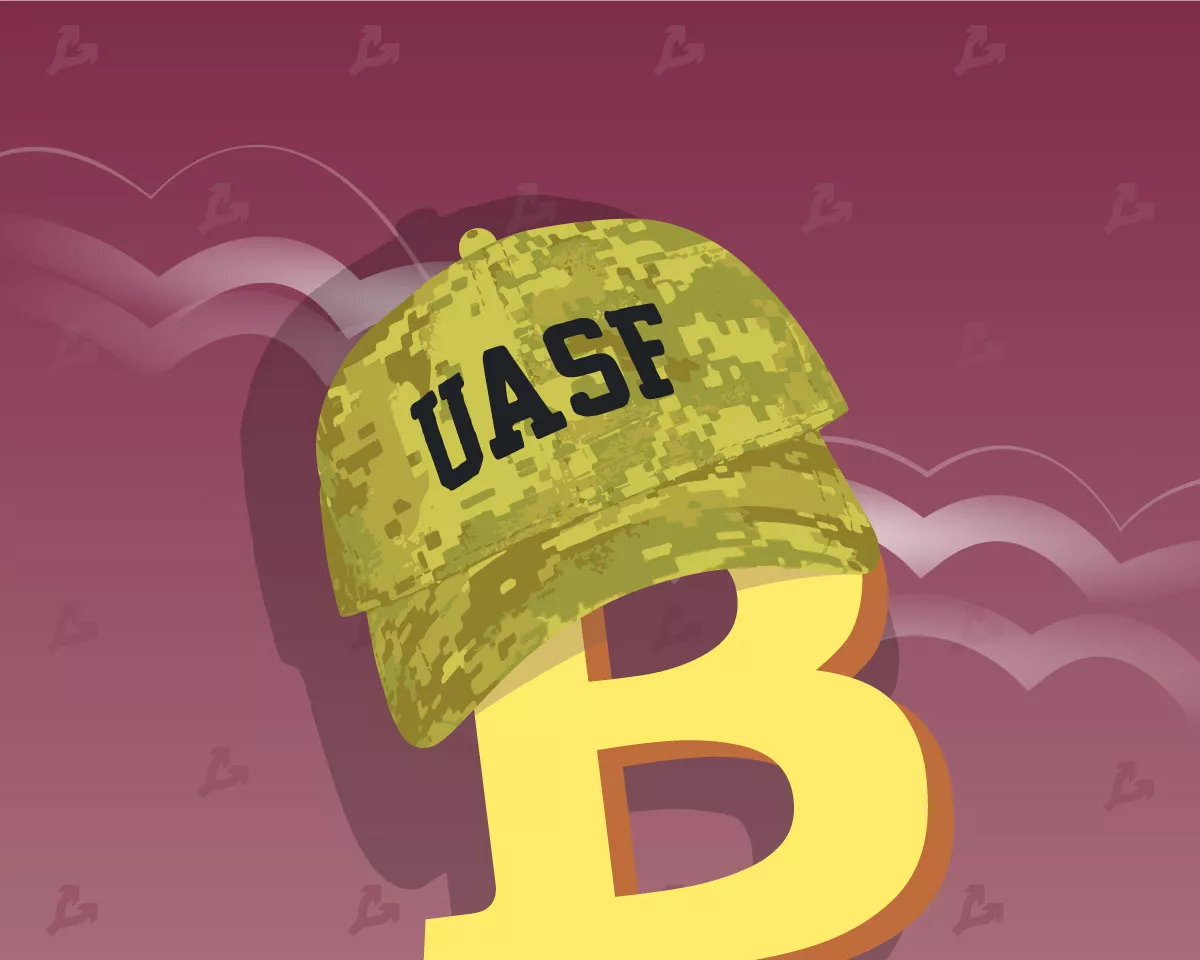
Bitcoin Independence Day: Community marks the third anniversary of UASF activation
On August 1, 2017, a user-activated soft fork (User Activated Soft Fork – UASF) was activated in the Bitcoin network, enabling the activation of the Segregated Witness (SegWit) protocol. This date is celebrated in the community as Bitcoin Independence Day.
SegWit is Bitcoin’s largest upgrade to date. Its aim was to further scale, reduce transaction fees and increase the block size limit. The road to SegWit proved highly contentious, fracturing the community into two irreconcilable camps. One camp subsequently created its own cryptocurrency — Bitcoin Cash — born from a hard fork.
Until then, all significant modifications to the source code were typically activated via MASF (Miner Activated Soft Fork) — a mechanism by which readiness to upgrade is signalled by the majority of miners. A situation arose where a large influence on the final decision was exerted by representatives of large companies and mining pools.
A substantial portion of the latter resisted activation of SegWit; however, in the end the situation was resolved thanks to the efforts of a broad community backing the UASF scenario.
The UASF concept involves avoiding network upgrades by signaling from miners: instead, the soft fork is activated on a specified date, defined by full nodes. This model is called the economic majority.
The idea was quickly picked up by the faction that adheres to decentralisation principles and also received support from Bitcoin maximalists. Despite that UASF faced certain challenges, on August 1, 2017 activation occurred.
On August 8, the activation of SegWit was fixed and the “point of no return” was passed. After it, two weeks remained until the protocol activation, and finally, on August 24, 2017 at 01:57 UTC on block 481,824 the event occurred.
Following the adage “don’t trust, but verify,” Bitrefill’s CTO John Carvalho later asked how one could reliably know that the UASF activation hadn’t been the work of some single organisation controlling the nodes.
Adam Back, CEO of Blockstream, replied that this was undoubtedly the coordinated effort of the whole community. He added that since then many users have begun to recognise the importance of running their own economic nodes as a counterweight to centralised interests.
#UASF was clearly grass roots, with many hodler economic nodes, a good selection of ethos aligned business, bitcoin embassies & community groups. Since then more people are taking seriously the need to run their own economic node to harden Bitcoin against centralised interests.
— Adam Back (@adam3us) October 23, 2018
Discussions about the importance of UASF continue to this day. Developers have proposed other ways to activate future soft forks. Yet August 1, 2017 has rightly earned a place in the history of cryptocurrency.
The community marks the day in various ways. For example, Munich’s Bitcoin meetup organisers are hosting this year the second Satoshi Freeathlon, an event in which participants attempt an Olympic-triathlon distance in the mountains (1.5 km lake swim, 40 km cycling and 10 km running).
Sportliche Bitcoiner in und um München, macht mit beim zweiten Satoshi Freeathlon zum #UASF Independence Day diesen Samstag! #teamsatoshi #satoshifreeathlon
Los geht’s um 10 Uhr am Spitzingsee.https://t.co/CW0qTpQfT9
— Bitcoin Munich (@bitcoinmuc) July 30, 2020
The Montreal Bitcoin Meetup will host today a webinar, where Francis Pouliot, CEO of Canada’s leading cryptocurrency exchange Bullbitcoin, will show a historical snapshot of the block on which the UASF activation occurred.
Finally, Bitcoin Magazine has prepared its own programme — a special online meetup with many prominent members of the community.
COUNTDOWN TO #BITCOIN INDEPENDENCE DAY: 1 DAY!
Tomorrow is the big day!
We will all be #hashingitout for 6.15 hours of awesome Bitcoin content!
Tell your family and friends, because this is not an event to be missed!
Tune in here👇 11am-5:15pm EDThttps://t.co/Bh4ymucxyu pic.twitter.com/8XpJgmQVt2
— ₿itcoin Magazine (@BitcoinMagazine) July 31, 2020
Earlier, analysts at Veriphi calculated that the use by all infrastructure participants in the cryptocurrency industry of scaling solutions such as SegWit and batching would have saved users nearly 58,000 BTC.
Subscribe to ForkLog news on Twitter!
Рассылки ForkLog: держите руку на пульсе биткоин-индустрии!