


Culper Research predicts a ‘death spiral’ for Ethereum and goes short
Culper shorts ether and BitMine, warning of a ‘death spiral’ after a network upgrade.
Research firm Culper Research has taken short positions in Ethereum and BitMine’s shares. The analysts argue that the altcoin’s economics have worsened after a recent network upgrade.
According to the report, the December 2025 Fusaka upgrade created excess block space, pushing transaction fees down by roughly 90%. Validators’ revenues depend directly on these fees, so staking profitability has slumped.
This, they say, triggers a negative loop: lower yields curb demand to lock up coins and jeopardise the blockchain’s security.
Culper Research also cited Lookonchain data. This year Ethereum co-founder Vitalik Buterin sold about 20,000 ETH—nearly $40m at current prices.
«Vitalik is selling while ‘bulls’ like [BitMine chairman] Tom Lee fail to grasp the asset’s new reality. We are on Vitalik’s side,» the report says.
The short-sellers disputed Lee’s claims, who had cited rising transactions and active addresses as proof of the network’s stability.
Culper deems those metrics distorted: a significant share of network activity, it says, stems from address “poisoning”, in which bad actors blast spam transactions.
«By Lee’s logic, if the asset’s utility is not growing, then ether has entered a ‘death spiral’. We are confident that is exactly what is happening now,» the researchers said.
The second leg of the short targets BitMine—one of the largest corporate buyers of the second-biggest cryptocurrency.
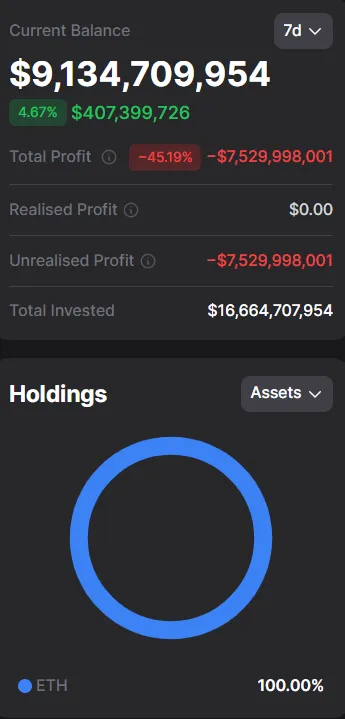
Since July the company has bought roughly 4.4m ETH. According to DropsTab, the price slump has cut the value of those reserves by 45%. BitMine’s unrealised loss has already reached $7.5bn.
What is happening to ether?
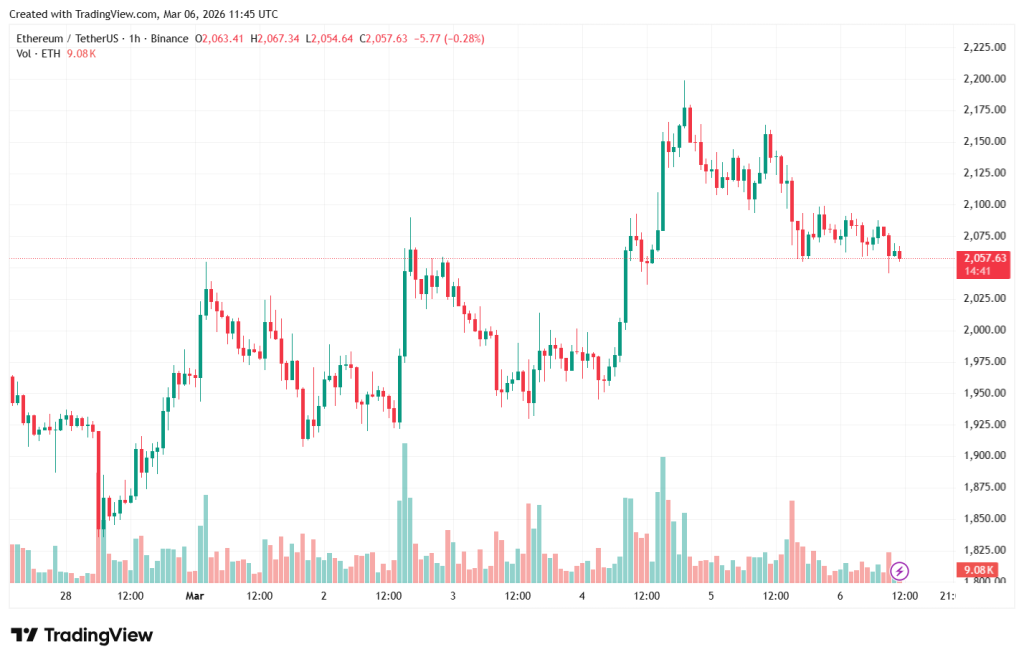
The price of the second-largest cryptocurrency fell 6.5% (to $2,057) after a brief spike to $2,200. The pullback followed declines in the US stock market amid global geopolitical tension and disruptions to energy supplies.
Investors have marked down growth expectations and shifted to risk-off. Added uncertainty came from a US court ruling that ordered the government to pay businesses $130bn in tariff refunds.
Apathy in the derivatives market
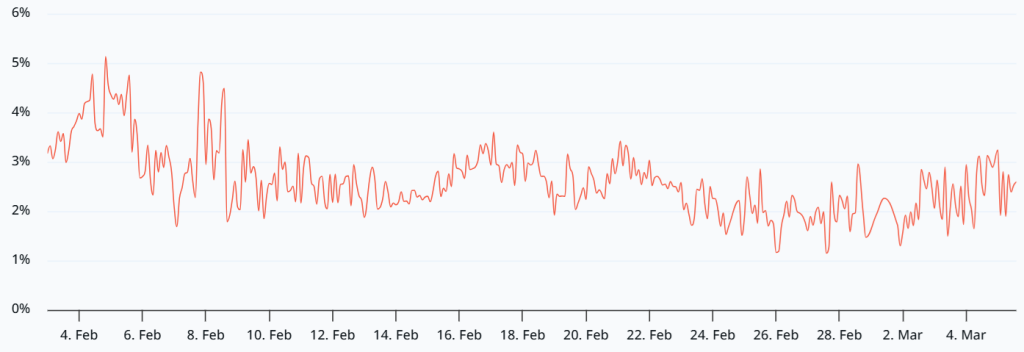
On-chain data and derivatives point to weak buyer interest. The annualised premium on 30‑day ether futures remains below the neutral 5% threshold, signalling little demand for leveraged longs.
Ether’s options skew (put/call) has reached 7%. Readings above 6% traditionally imply that large players and market makers are buying protection against further downside. The caution of seasoned traders gives bears room to increase pressure on the price.
What the next altseason could look like
In the next altcoin season, assets from projects with real-world use and active audiences will win out, said Bitwise chief investment officer Matt Hougan. The euphoria of past cycles, when virtually every cryptocurrency rose, will not return, he said.
«I think that game is over. We are in for a non-traditional altseason that will reward coins with real adoption,» Hougan noted.
Traders typically expect a standard sequence: bitcoin makes new highs, then capital rotates into Ethereum, then into DeFi and, finally, into NFTs. Hougan doubts the cycle will work again—or that investors will once more scoop up “pictures of rocks”.
He forecasts a more selective market. Investors will prefer tokens backed by durable business models and working products. The coming altseason will be more differentiated, he concluded.
In February, investors withdrew 31.6m ETH from centralised exchanges—the largest monthly total since November 2025.
Рассылки ForkLog: держите руку на пульсе биткоин-индустрии!