



Elliptic has developed an artificial intelligence-based system capable of effectively detecting money laundering through Bitcoin transactions.
The research involved scientists from the MIT-IBM Watson AI Lab. The team used a dataset of nearly 200 million transactions to train the model to identify not individual illegal operations, but entire “subgraphs”.


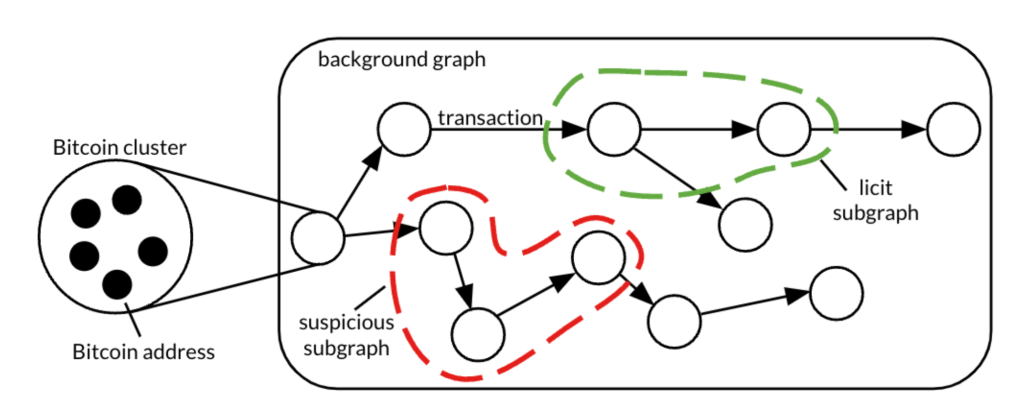
Testing the system on an unnamed crypto exchange demonstrated high accuracy: out of 52 suspicious transaction chains, 14 were confirmed to be linked to money laundering. On average, only one in 10,000 accounts is flagged, indicating the model’s effectiveness.
By using external data, the system can identify money laundering schemes that are inaccessible to traditional analysis methods.
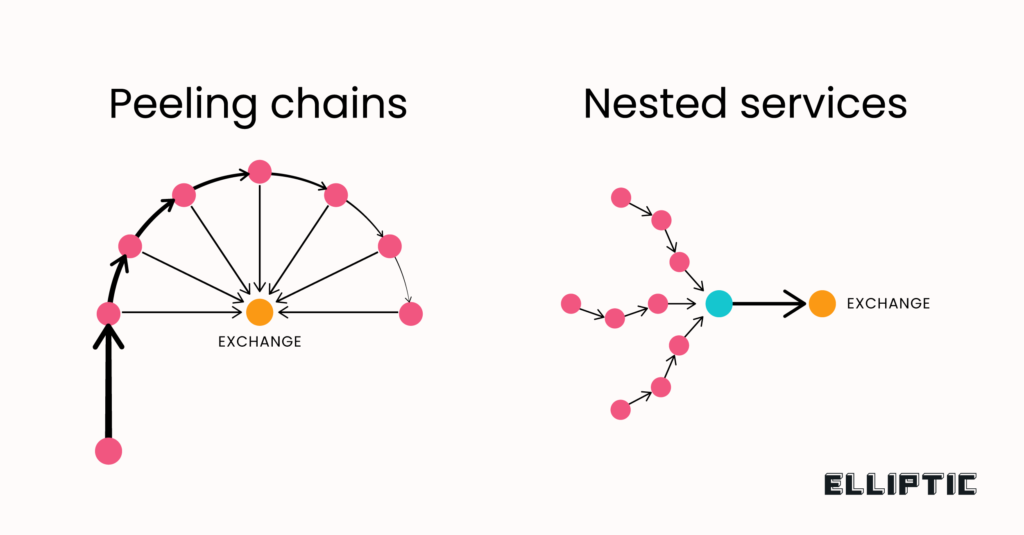
The AI detected both known money laundering schemes like “peeling chains” and new behavioral patterns. Researchers believe this knowledge will be valuable to anti-money laundering specialists.


The model enabled the identification of several previously unknown wallets used by entities involved in Ponzi schemes, darknet markets, and other illegal activities.
The company also opened access to the largest Elliptic2 dataset to advance methods for detecting illegal cryptocurrency transactions and promoting graph-based neural networks.
Elliptic noted that the inherent transparency of blockchain allows for better detection of financial crimes using AI compared to traditional assets. The company sees potential for further collaboration and data sharing to advance these methods and combat crime in the cryptocurrency sector.
In 2019, Elliptic, together with the MIT-IBM Watson AI Lab, conducted a similar study. At that time, the model was trained to detect Bitcoin transactions conducted by illegal entities using a dataset of 200,000 records.
The previous dataset was also made publicly available. This work has been cited approximately 400 times by researchers from various countries around the world.
Earlier in January, the UN highlighted the popularity of USDT in money laundering schemes.