



Analysts at Fidelity Digital Assets summarized the first half of 2026, highlighting six structural trends shaping the industry’s development. Experts believe the current period is marked by a “technical rearmament” of the ecosystem, rather than a mere price rally.
Integration with TradFi and Token Holder Rights
The first trend identified by specialists is the accelerated convergence of the digital asset industry with traditional finance. This was facilitated by the emergence of options on spot Bitcoin ETP and progress in tokenization of assets by major banks.
The regulatory environment has also become clearer thanks to joint directives from the SEC and the CFTC, as well as the advancement of the CLARITY Act bill.
The second focus is on strengthening token holder rights. Projects like Hyperliquid and Aave are actively implementing buyback mechanisms and revenue redistribution.
However, analysts noted that the market has yet to establish a “rights premium”—investors are still assessing the sustainability of such models.
AI Mining and Bitcoin Transformation
The third trend involves the growing demand for computing power for AI, which has created competition for traditional mining. Since the beginning of the year, the average 30-day hashrate has decreased by 8.8%, and difficulty by 7.8%.


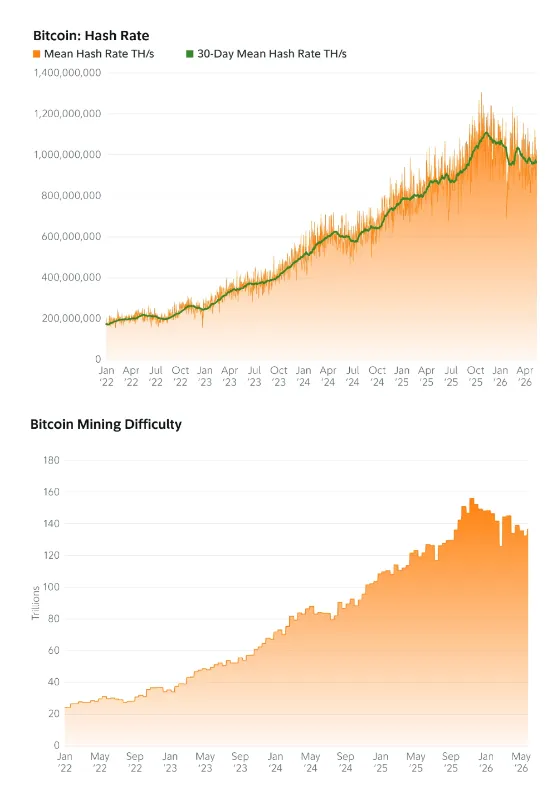
Fidelity suggested this might indicate a shift of resources towards AI data centers.
In the fourth trend—Bitcoin’s evolution—experts highlighted:
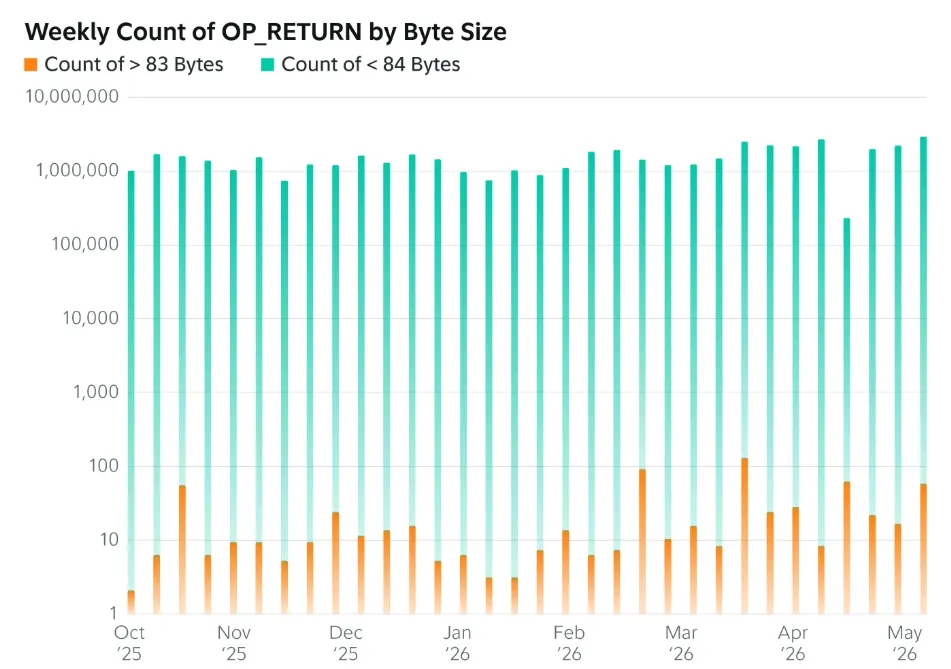
- the expansion of data volume in the OP_RETURN field has not led to “blockchain bloat”;
- the dominance of Bitcoin Core nodes (about 77%) ensures consensus stability, despite the activity of alternative clients like Knots;
- there is growing interest in quantum-resistant updates for the network’s long-term security.

Institutional Capital and the Role of Gold
Fidelity’s fifth point highlighted the prevalence of bearish factors at the start of the year: Bitcoin lost 13% amid high inflation and forced liquidations. Despite this, institutions continue to build capital, and regulatory clarity provides a foundation for recovery.
The final trend concerns the strengthening position of gold and the gradual shift away from dollar infrastructure. Central banks are increasing their metal reserves, and alternatives like using cryptocurrencies for payments in strategically important logistics hubs are emerging in international settlements. However, Bitcoin has yet to show the expected correlation with gold as a safe-haven asset.
In conclusion, analysts emphasized that even with temporary pressure on quotes, the market’s fundamental indicators and infrastructure continue to evolve qualitatively.
Back in January, a16z identified privacy as the main focus for the cryptocurrency market in 2026.