


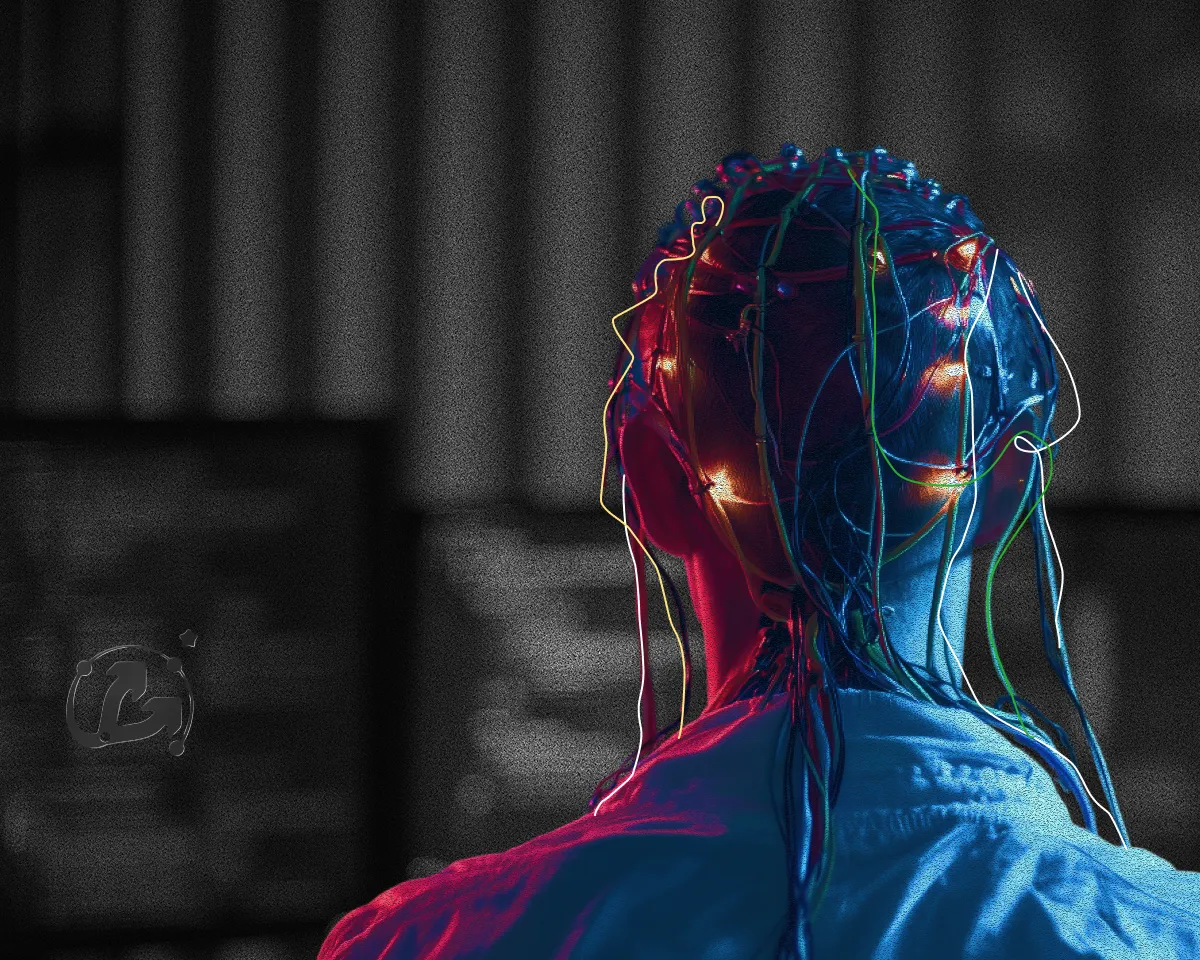
Former Neuralink President’s Startup to Test Biohybrid Chip on Humans
Science Corporation enlists neurobiologist for biohybrid BCI trials.
Science Corporation has enlisted leading neurobiologist Murat Gunel to initiate clinical trials of a biohybrid brain-computer interface (BCI). This was reported by TechCrunch.
The startup was founded by Max Hodak, the former president and co-founder of Neuralink. Gunel, the chair of neurosurgery at Yale School of Medicine, joined the project as a scientific advisor after two years of negotiations.
The collaboration aims to surgically implant the first sensor into a patient’s brain for a future interface that will be a symbiosis of lab-grown neurons and electronics.
Science was founded in 2021. Last month, it completed a Series C funding round, raising $230 million at a valuation of $1.5 billion.
The company’s advanced solution is PRIMA — a device for restoring vision in people who have gone blind due to macular degeneration or similar conditions.
Science acquired the technology in 2024 and plans to expand its application in Europe following approval from local regulators.
Visionary Plans
Hodak has set ambitious goals for the startup: to create reliable communication channels between computers and the brain for treating severe diseases, and ultimately to enhance human capabilities, including the addition of new senses.
Neuralink and other organizations have managed to track brain activity using electronic sensors. Users with BCI implants can control computers or display words on a screen simply by thinking about them.
However, the commercialization of these devices remains uncertain due to regulatory barriers and a relatively small number of patients.
Hodak considers the traditional invasive method using metal electrodes a dead end. Over time, this approach leads to tissue damage and degradation of the implant’s performance.
The Science team has chosen a different path.
“The idea of using natural connections through neurons and creating a biological interface between electronics and the human brain is brilliant,” said Gunel.
Neuron Integration
Science co-founder and Chief Scientific Officer Alan Mardinly led the development of the biohybrid sensor with a team of 30 researchers. The final version of the device will incorporate lab-grown neurons.
The nerve cells are designed to naturally integrate with neurons in the brain, forming a bridge between biology and electronics. They can be stimulated with light impulses.
In 2024, the startup published results of successful testing of the basic technology on mice. Engineers are now focused on creating prototypes and developing cell cultivation methods that meet strict medical standards.
Gunel will advise the team preparing for human clinical trials. Discussions are underway with medical ethics committees overseeing human experimentation.
The first step will be testing an advanced sensor without embedded neurons inside a living human brain.
Future Plans
Unlike Neuralink, which implants neurointerfaces directly into tissues, Science places the device on the brain’s surface under the skull. This approach is believed to reduce risks for patients.
The team plans to find suitable patients who require major surgical intervention. For example, those who have suffered a stroke and need part of their skull removed to reduce brain swelling.
Gunel suggests placing the sensor on the surface of the cerebral cortex to practically assess the safety and effectiveness of reading neural activity.
If successful, the BCI system could aid in treating neurological diseases. One of the first applications will be gentle electrical stimulation of damaged brain or spinal cord cells for their recovery.
More complex scenarios include monitoring neurological activity in patients with tumors. This would allow medical staff to be warned of impending seizures in advance.
In the more distant future, there is potential for using the interface to halt the progression of Parkinson’s disease.
Gunel stated that in an optimistic scenario, clinical trials of the device could begin in 2027.
Previously, a brain-computer interface user, Galen Buckwalter, learned to create music with the power of thought.
Рассылки ForkLog: держите руку на пульсе биткоин-индустрии!