



- GPT-4 outperformed human participants in divergent thinking tasks.
- Researchers emphasize AI’s lack of autonomy and the need for human interaction.
- The neural network can serve as a useful tool, aiding humans in unlocking their creative potential.
Researchers at the University of Arkansas published a study titled “Modern Generative Language AI Models Approach Divergent Thinking Tasks More Creatively Than Humans.” The work highlighted the evolving capabilities of chatbots in the realm of art, while also acknowledging their limitations and the general challenges in measuring creativity.
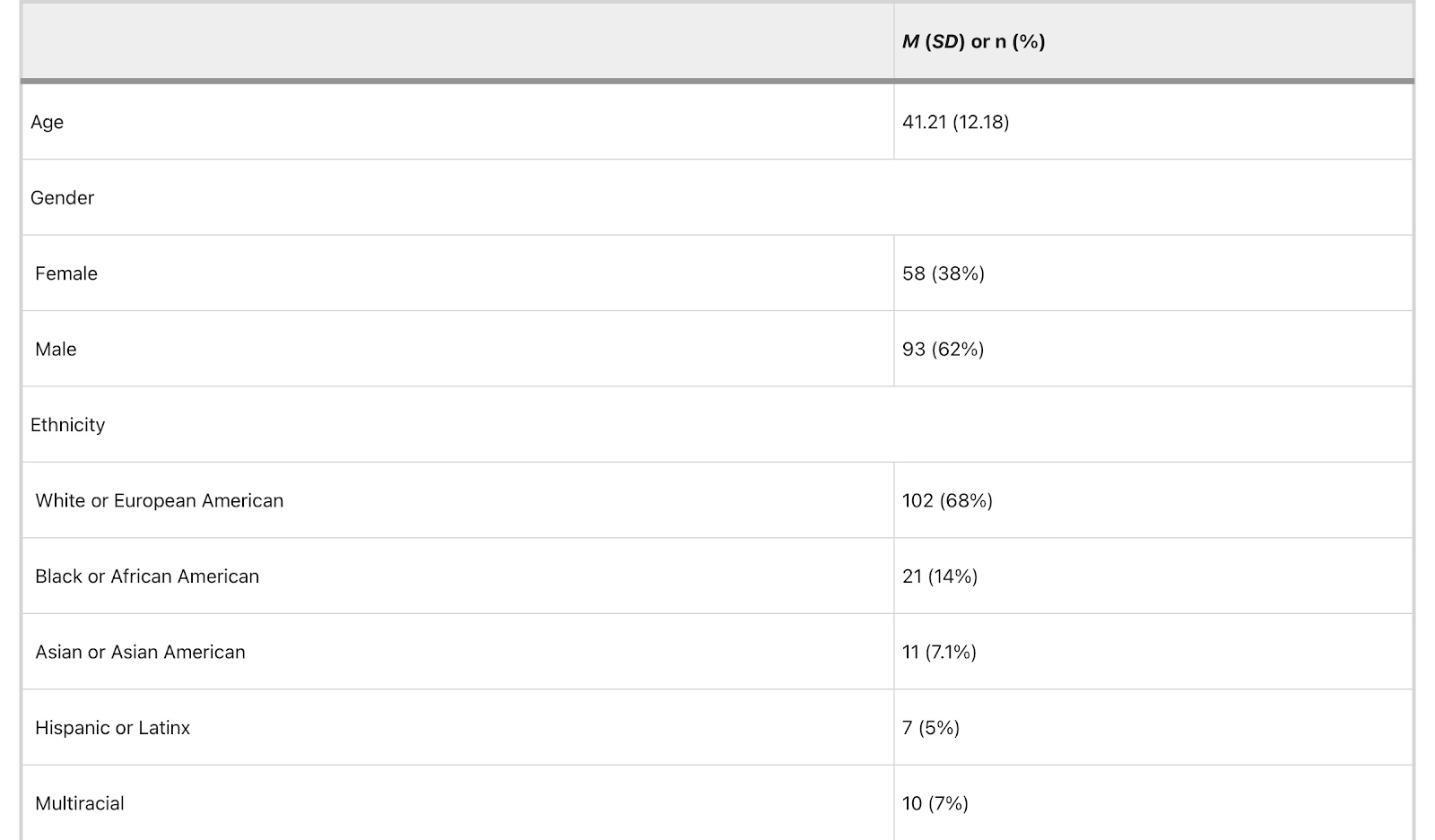
GPT-4 was compared with 151 humans in three divergent thinking tests. This type of thinking is characterized by the ability to generate unique solutions to problems that do not have a single expected answer.


The study conducted three tests:
- The “Alternative Uses Task,” which involved coming up with unconventional uses for everyday items like a rope or fork;
- The “Consequences Task,” where participants speculated on possible outcomes of hypothetical situations. For example, “What if humans no longer needed to sleep?”;
- The “Divergent Associations Task,” which required generating 10 nouns as semantically distant from each other as possible. For instance, there is little semantic distance between “dog” and “cat,” whereas between “cat” and “ontology,” it is vast.
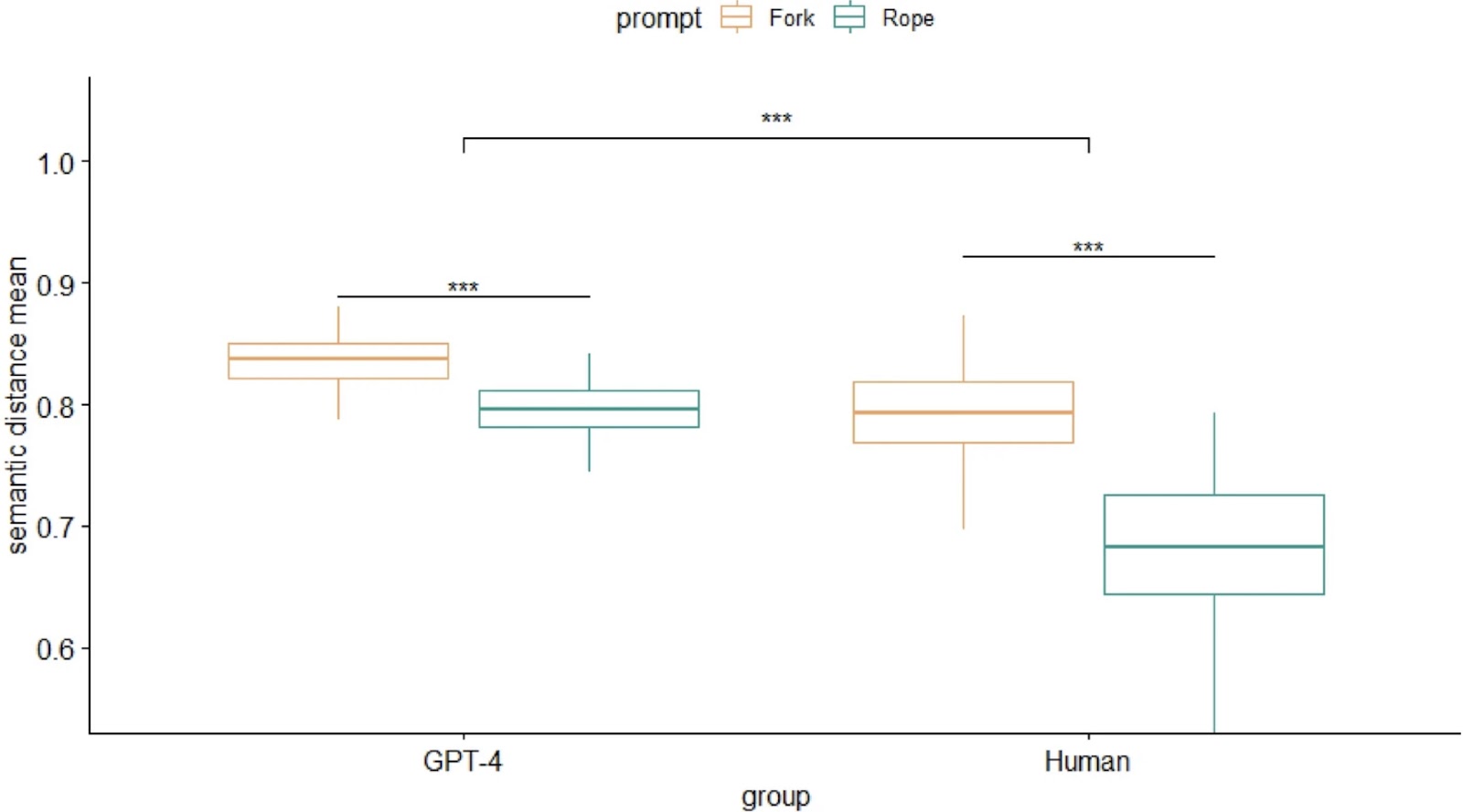
The work was evaluated based on the number of responses, their length, and the semantic differences between words. Ultimately, the authors found that “GPT-4 demonstrated a higher creative potential across all tasks.”
The authors emphasized that “AI, unlike humans, lacks autonomy” and “depends on assistance.” This means the creative potential of the neural network remains stagnant unless stimulated.
Moreover, the researchers did not assess the relevance of GPT-4’s responses. The chatbot provided more options that were more original than those of humans, but they were not based on real-world rules.
According to the scientists, it is irrelevant whether the aforementioned tests are perfect measures of creative potential. What is undeniable is that large language models are rapidly progressing and have begun to surpass humans in ways they have not before.
The study’s authors believe that the potential for using AI as a tool for inspiration and assistance in the creative process is promising.
In February, OpenAI introduced a new generative artificial intelligence model, Sora, which allows for converting text into video.