


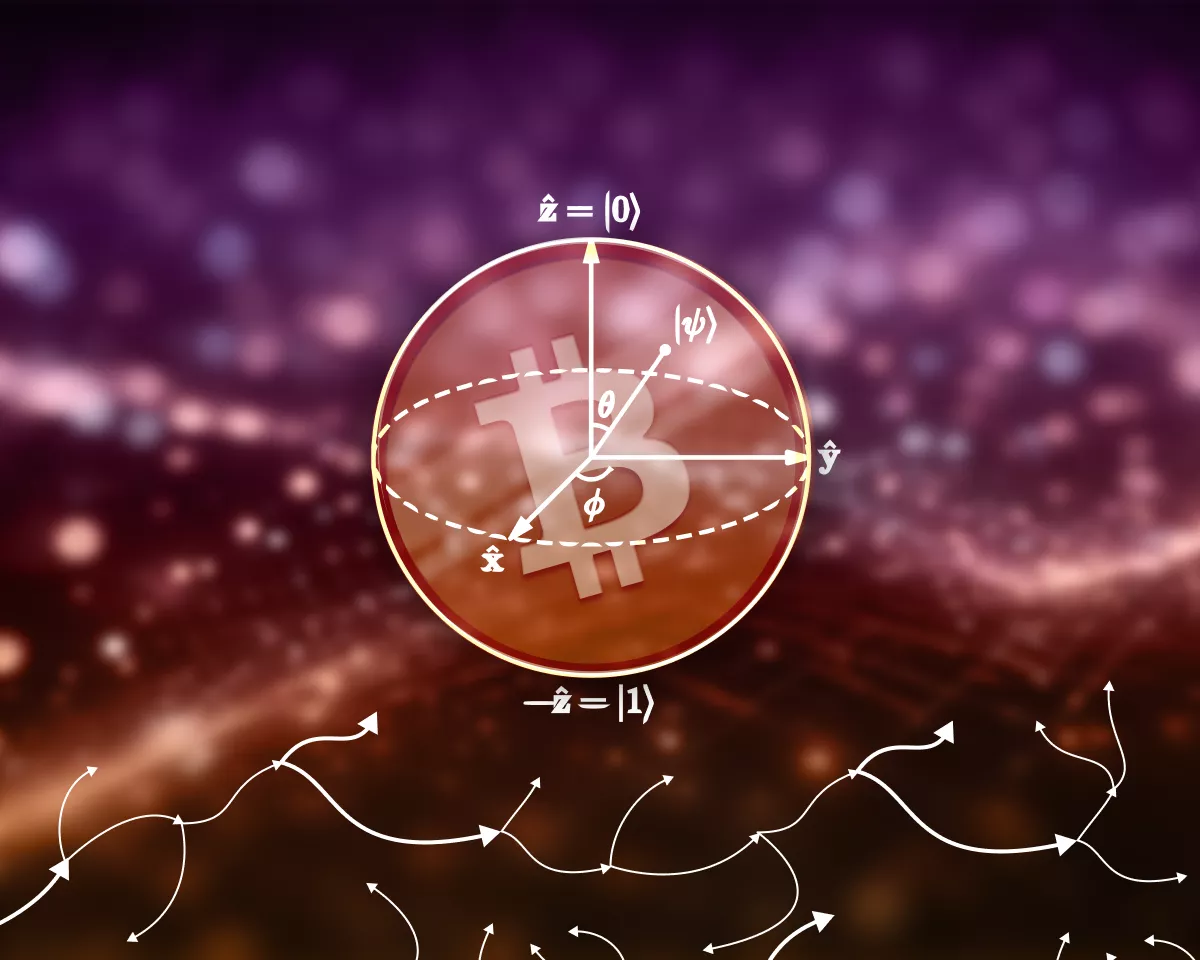
Alex Thorn, head of Galaxy Research, shared insights on the impact of quantum computing on the premier cryptocurrency. A consensus has emerged within the community on two key issues.
i had many discussions about quantum & bitcoin in las vegas this week, both on and off stage, with skeptics, advocates, and many overall smart bitcoiners
some consensus i feel is emerging:
1) satoshi’s coins (P2PK) should not be touched. violating his property rights could be…
— Alex Thorn (@intangiblecoins) May 2, 2026
Thorn believes that Satoshi Nakamoto’s coins (in P2PK format) should remain untouched, even under the threat of hacking. Violating the asset creator’s property rights would undermine Bitcoin’s value proposition.
The risk of expropriating these funds is lower than commonly perceived. The coins are distributed across 22,000 addresses, requiring an attacker to hack each wallet individually rather than the entire network. Meanwhile, major exchanges and active users can preemptively switch to quantum-resistant addresses.
The analyst noted that the market could absorb even a sudden influx of a large volume of coins. In his view, Bitcoiners would prefer a temporary price drop to preserving the protocol’s fundamental principles.
Thorn endorsed the development of post-quantum cryptography. Testing new algorithms and optimizing signatures are beneficial for the network, provided they do not cause community discord or distract developers from other tasks.
The researcher suggested preparing a ready-to-use technical solution and “putting it on the shelf.” This would allow for the rapid implementation of an update when the quantum threat becomes real.
Thorn estimated the likelihood of quantum technologies critically impacting Bitcoin at 1%. However, he described the current discussions as useful for preparing the system for future challenges.
Back in April, Bitcoin developer Jameson Lopp and a group of experts introduced a draft proposal BIP-361. The initiative suggests freezing coins vulnerable to quantum computers.
The community criticized the idea, labeling it authoritarian and confiscatory.