



The forthcoming reduction in Bitcoin block rewards is expected to foster a more eco-friendly mining network powered by sustainable energy sources. The limited supply is likely to impact the asset’s price.
Clean Mining
Fineqia International analyst Matteo Greco told Cointelegraph that the halving will encourage Bitcoin mining companies to optimize capital efficiency through cheaper electricity, leading to increased use of renewable sources.
The reward reduction also incentivizes equipment efficiency improvements, making the network more sustainable, the expert believes.
According to a January report by Bitcoin ESG Forecast authored by Daniel Batten, approximately 54.5% of Bitcoin’s energy consumption comes from renewable sources.
In a note from April 5, Batten writes that China accounts for about 15% of the global hash rate of the first cryptocurrency, despite a mining ban in the country.


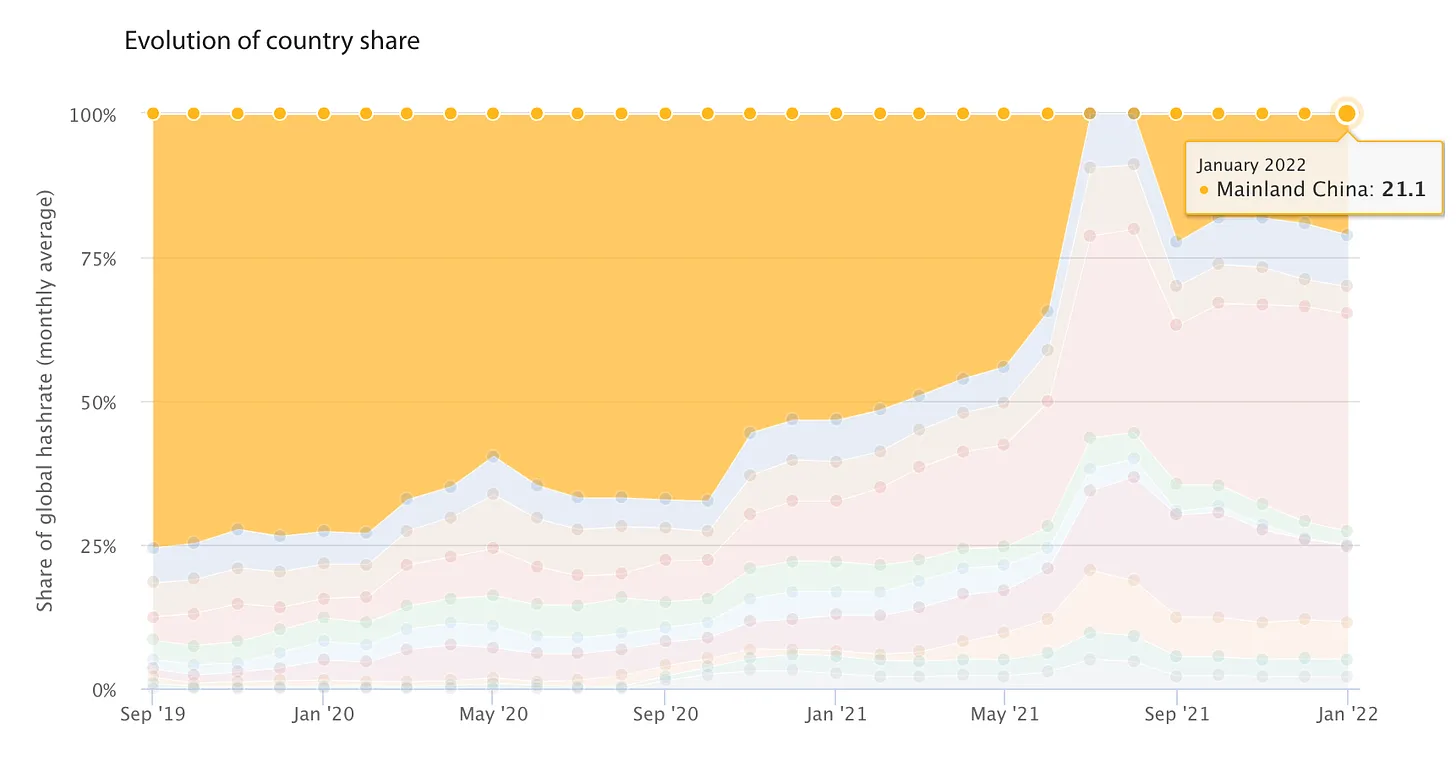
“Autonomous coal-based Bitcoin mining is no longer conducted. It is too easily detected, competes for base energy, and hinders government emission reduction goals. This situation has led to a significant reduction in pollution intensity,” the researcher clarified.
Instead of traditional methods, miners in China mainly rely on hydroelectric power, which is relatively cheap, especially during rainy months, Batten writes.
He noted that a significant number of retail autonomous market participants mine Bitcoin at a loss due to high electricity tariffs. However, their main goal is “to exit the Chinese financial system”:
“They purchase ASIC devices and electricity with yuan, resulting in mined bitcoins that are then converted into US dollars. Many retail miners are willing to endure declining profitability simply because they have the opportunity to convert yuan into dollars.”
The Need for Upgrades
The primary advantage of the Bitcoin blockchain is that miners know when the block reward reduction will occur and can prepare for it. Additionally, the event brings a significant demand shock to the asset.
Demand founder and CEO Alejandro De La Torre expressed excitement about the upcoming halving:
“The halving always shakes things up. It’s a great opportunity for new players to enter the industry.”
However, such a “shake-up” could also mark the end for some market participants.
According to Bitfarms CEO Ben Gagnon, if the rise in Bitcoin’s price does not offset the block reward reduction, “old miner models released three to five years ago” will lose their economic viability.
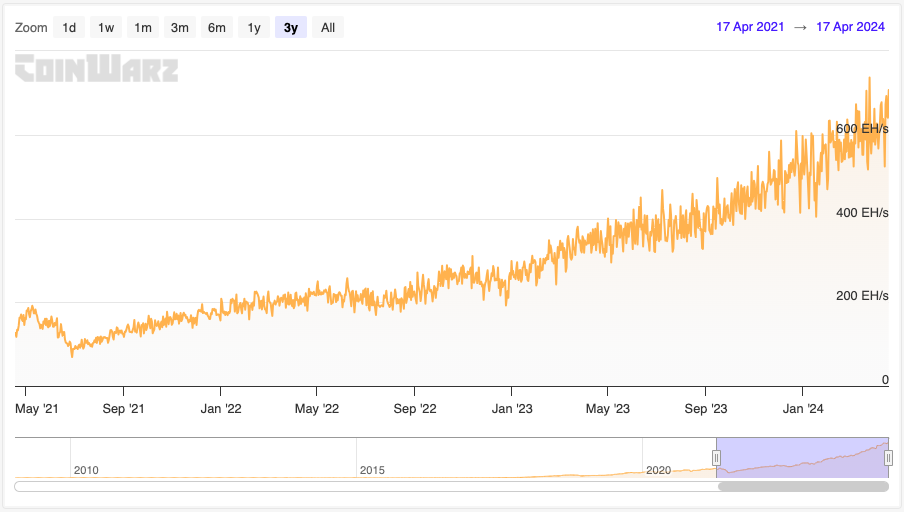
He also noted that the continuous growth of the global hash rate “signals an upgrade of equipment” by the first cryptocurrency’s miners.

“Most successful miners are already using new and efficient devices. Those unprepared are doomed to bankruptcy,” added industry expert Anibal Garrido.
Migration
According to Chain Bulletin, the global share of miners remains concentrated in the United States—nearly 38%.

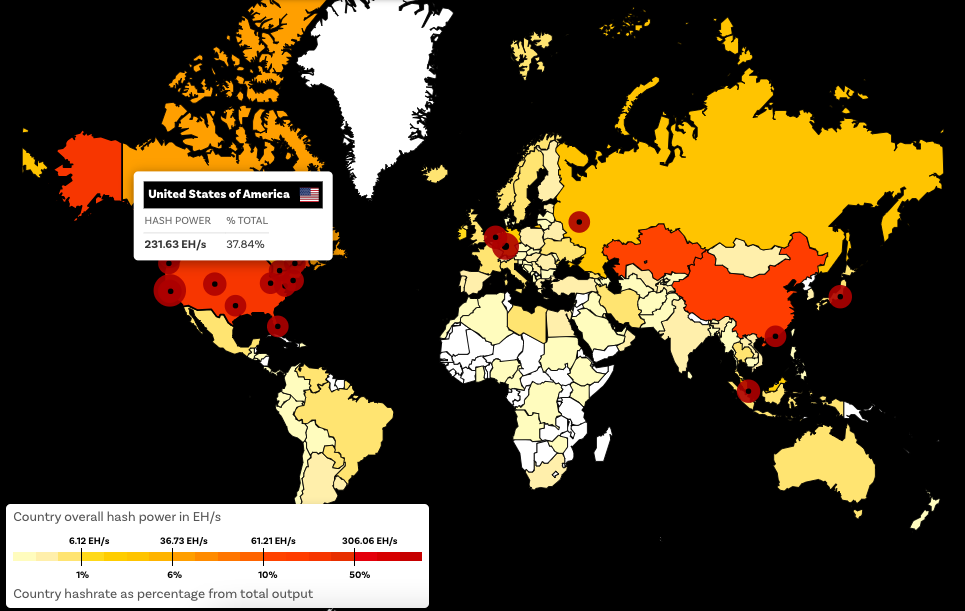
De La Torre believes the halving will have the greatest impact on the United States due to the high hash rate in the country. The consequences will force inefficient miners to “completely or temporarily” shut down their operations to upgrade infrastructure.
According to the expert, the reward reduction could be an excellent opportunity for countries with low purchasing power, as older generation equipment floods the market.
“The halving is an opportunity for new regions to become profitable. Watch the Middle East, Africa, and Latin America,” De La Torre emphasized.
Garrido stated that electricity costs are the most significant factor for miners, although a safe regulatory environment is also important.
Thanks to a favorable regulatory environment, the United States is one of the most popular places for Bitcoin mining, despite the high cost of energy.
The Bitfarms CEO noted the possibility for Bitcoin miners to switch to mining other SHA-256 hashing algorithm assets. However, Bitcoin Cash (BCH) and Bitcoin SV (BSV) are the only coins with such a model, and their capitalization and quotes significantly lag behind the first cryptocurrency.
“Digital gold will always be digital gold. No one in their right mind would migrate from gold to trash,” he added.
Previously, it was reported that mining companies have started a race for the first block to appear after the halving, aiming to obtain an “epic” satoshi with an estimated value of several million dollars.
Earlier, 10x Research warned of a potential $5 billion Bitcoin sell-off by miners following the reward reduction.
In April, Marathon CEO Fred Thiel stated that the upcoming halving is already factored into Bitcoin’s price.