


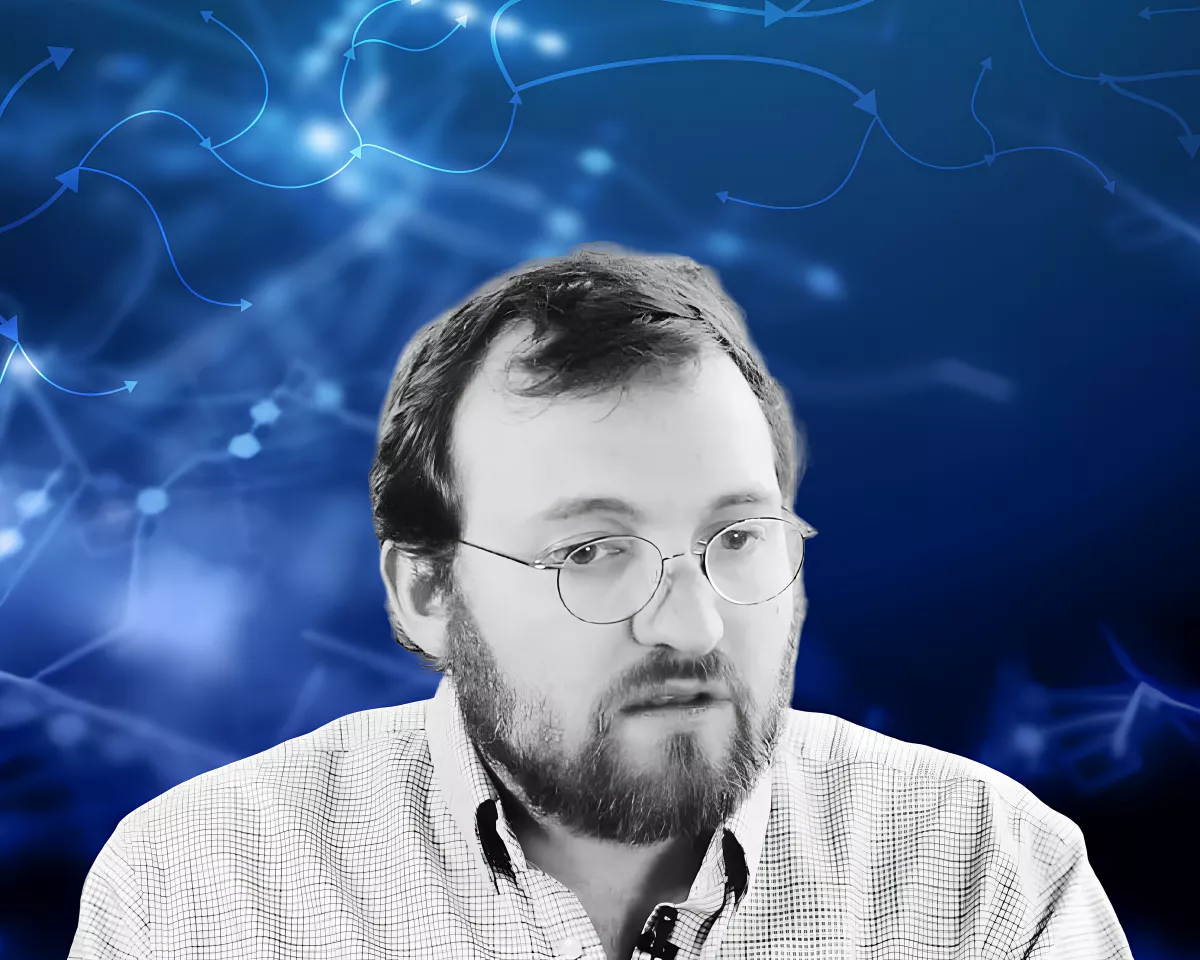
Hoskinson: Implementing Quantum Attack Protection Will Slow Blockchains by 10x
Hoskinson warns quantum protection may slow blockchains tenfold.
The primary challenge in safeguarding cryptocurrencies from quantum threats lies not in algorithm selection but in the necessity of migration, according to Charles Hoskinson, the founder of Cardano, in a statement to Decrypt.
He estimates that transitioning to post-quantum standards could reduce blockchain performance by at least tenfold.
The expert highlighted that the necessary tools are already available—NIST approved the relevant specifications in August 2024.
However, implementing them before miners and validators are prepared for increased loads could paralyze blockchains.
“Post-quantum cryptography is often about ten times slower, has ten times larger proof sizes, and is ten times less efficient. So, by implementing it, you are essentially reducing your network’s throughput by an order of magnitude,” Hoskinson explained.
When to Expect the Threat?
The Cardano founder urged against relying on “corporate announcements or hype” and instead advised following objective research. He cited DARPA’s initiative, where experts test various approaches to quantum computing, as an example.
“This is the best independent, objective benchmark to reference when determining whether quantum computers will become a reality, when they will appear, and who will create them,” the expert said.
DARPA plans to determine whether a truly powerful quantum computer can be built to solve practical problems by 2033.
Two Paths
Like Bitcoin, Ethereum, or Solana, the Cardano network uses elliptic curve cryptography. This technology is potentially vulnerable to Shor’s quantum algorithm.
Hoskinson stated that the industry faces a choice between two main approaches:
- Hash-based cryptography. A conservative and well-studied approach, which Ethereum focuses on. It is effective for digital signatures but unsuitable for general data encryption.
- Lattice-based cryptography. This method is based on mathematical problems considered unsolvable even for quantum computers. This approach supports full encryption and more advanced tools. The Cardano ecosystem has opted for this method.
“You can perform all your cryptographic operations on your graphics card, just like AI operations. So you get the ability to reuse hundreds of billions of dollars invested in AI computers, and you don’t need to build ASICs to accelerate these processes,” the expert explained.
Hoskinson urged developers to implement new standards gradually. One option is to create post-quantum checkpoints of the Cardano ledger’s history using systems like Mithril and the private sidechain Midnight.
“With these systems, there are always trade-offs. You cannot move from instant finality to probabilistic. Once you make that decision, you live with it and bear the consequences,” he concluded.
Challenges with Bitcoin
Transitioning the first cryptocurrency network to post-quantum standards could take five to ten years, according to Bitcoin Core lead developer Jameson Lopp.
No, quantum computers won’t break Bitcoin in the near future. We’ll keep observing their evolution.
Yet, making thoughtful changes to the protocol (and an unprecedented migration of funds) could easily take 5 to 10 years.
We should hope for the best, but prepare for the worst.
— Jameson Lopp (@lopp) December 21, 2025
He explained that updating the Bitcoin protocol is more challenging than centralized software. The reason is the distributed consensus model, where any changes require approval from the majority of network participants.
The process of migrating funds from vulnerable addresses to secure ones will require “unprecedented coordination of millions of holders,” the expert noted.
However, Lopp agreed with cypherpunk Adam Back’s opinion: the real threat from quantum computing remains distant.
“Quantum computers won’t be able to break Bitcoin in the near future. We will continue to observe their evolution. […] We should hope for the best, but prepare for the worst,” he added.
Previously, Castle Island Ventures partner Nic Carter criticized developers for ignoring the quantum computing threat. Back dismissed this view, stating that specialists are actively conducting relevant research.
Рассылки ForkLog: держите руку на пульсе биткоин-индустрии!