




Telegram now dominates as the platform most frequently exploited for cryptocurrency fraud. Unlike old-fashioned phone scams, which rely on instant reactions and blind trust, messaging allows scammers to cultivate victims over time. Grigory Osipov, director of investigations at «ШАРД», explains the most common Telegram schemes to ForkLog.
Why Telegram?
The most popular venues for crypto fraud include X, Discord, Telegram and VKontakte. In Russia, Pavel Durov’s messenger leads the pack. By various estimates, around 40–50% of all fraud on Telegram involves cryptocurrency.
According to Mediascope, the platform is growing faster than peers. In October 2023 it counted 82.3 million users—15% more than a year earlier and 62% up on autumn 2021. Over two years, its Russian audience grew by more than 30 million people.
By recent estimates, over 40% of crypto-related posts on Telegram channels in 2023 turned out to be fraudulent. Scammers often delete posts after user complaints, moderation or security takedowns. Most of the removed publications carried headlines with keywords like “earn now”, “financial independence” and “smart investments”, pushing people to invest in crypto with promises of outsized returns. Contributions are typically requested via bank cards.



Main types of crypto fraud
At the core of any scam lies psychological pressure. Fraudsters befriend potential victims and slowly build trust. They create fake profiles, impersonate others and initiate conversations to instil confidence and a sense of inevitable success—before pitching “investments” while flaunting a fabricated life of luxury.
Broadly, the most common Telegram schemes include the following.
Phishing links
Scammers deploy fake apps, exchanges and crypto swap services disguised as legitimate projects. The aim is to nudge victims into transferring funds that then vanish.
On Telegram they drive traffic to such resources through fake livestreams on video platforms, social posts and hijacked accounts. You can stumble onto these sites and channels via search or even email campaigns.
Impersonated P2P-platform support
Fraudsters set up Telegram accounts that mimic P2P platforms’ support desks, often indistinguishable from the real thing. They may also send emails that look like official notifications. The goal is to deceive users and gain access to funds or entire accounts.
In one scenario, they ask for a transfer “to check” or resolve a technical issue. In another, they demand an access code that links a web account to a Telegram bot.
Over email, they embed phishing links leading to fake platform pages to harvest logins and passwords, drain accounts quickly and disappear.
Investment schemes and pyramids
Under the guise of making money, scammers promote projects that are in fact pyramids. A user may be told to open a special wallet and use a bot to buy crypto and select paid “accelerator” plans. Victims are then instructed to create a private Telegram group, invite acquaintances and post a presentation, assuring them the project will soon multiply their assets.
One example is Altсoin Club, which touts crypto trading services using users’ funds. The operators inflate a channel with bots and pre-recorded glowing reviews to manufacture trust. Users send money to the cards of “drops”, convinced crypto is being bought and traded by seasoned professionals.

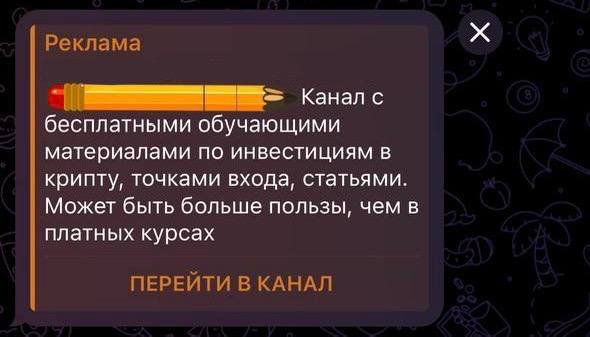
The terms are alluring: deposit funds that are “guaranteed” to grow 20-fold or more. The minimum is 2,000 rubles. Suggested tiers include 5,900, 9,500 and 10,600 rubles, with amounts above 20,000 discussed individually. All deposits are “insured”, but the guarantor’s services cost 10% of the profit.
Once money is in, a sting awaits. When the “trading session” ends, victims are told to pay the guarantor 10% of the promised profit before any funds are released, then hand over 20% to the trader. A 13% “tax” may also be demanded. The net effect is total loss of the deposit plus additional outlays of 50% or more for gains that never existed.
Trading education
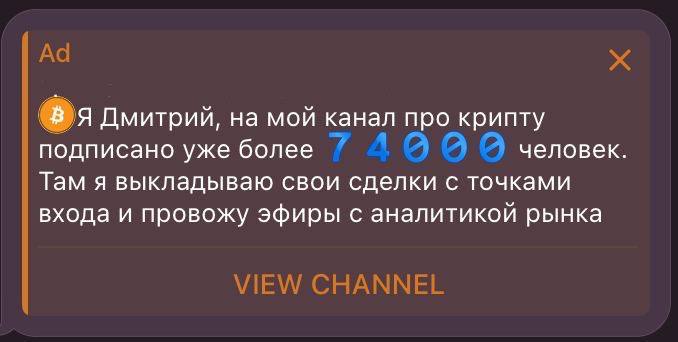
On social networks, fraudsters dangle favourable crypto exchange rates and “financial literacy” training. They also advertise products ranging from wallets to investment platforms.
They peddle an easy road to riches—just take a crypto course or back a new project. In practice, these are ruses that typically end with users losing money.

“Insider” information
Scammers approach followers of trading channels claiming to possess tips on imminent pumps for a coin or project. They push presale token purchases or route users through fake wallets and phishing links. Such ventures are routinely scams.
Direct messages
Fraudsters contact users via DMs, posing as heads of crypto groups and pitching high-return projects. They may offer “training” and consultations, flaunting supposed expertise to win trust and extract money.
They also impersonate administrators of financial services, offering help with a problem or a “security check” of your wallet. It mirrors the “calls from the bank” script: they seek sensitive data such as SMS codes, logins and passwords, or try to get you to install malware.
Bear in mind the entity on the other end may not even be human. Telegram abounds with bots. Some pose as active community members, faking popularity and trust through comments and reactions. Others blast spam in DMs and post comments, luring users to phishing sites or scam channels. Another breed pushes “trader intel” and signals—useful at first, then segueing into pitches for “exclusive coins” or hidden links.

How to counter scammers
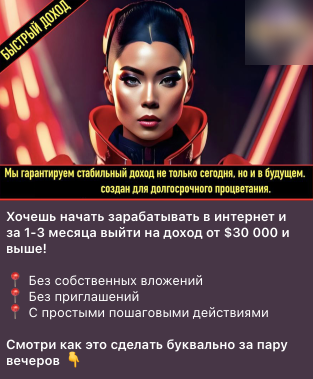
Fraudsters exploit gaps in crypto knowledge, offering “training” and consultations. They promise quick profits, claim they can recover lost funds and style themselves as experts. To boost credibility, they craft profiles that look genuine. Once money is sent, victims receive nothing.
- Before accepting any offer, scrutinise it. Audit what you are being sold.
- Never share login credentials to wallets or exchange accounts.
- Before joining a Telegram channel or group, check subscriber counts and activity. Look for matching accounts across other social networks. Their absence can be a red flag.
- Be wary of pitches promising quick, large profits. Scammers often create urgency with “limited-time” offers.
- If a profile looks flashy or freshly minted and its followers seem fake, assume it is suspicious. Treat all offers cautiously and do not rush to invest.
Following these tips will help you avoid crypto scams on social networks and keep your money safe.