



The introduction of digital currencies in Pacific nations could address numerous issues, but reliance on “unbacked private crypto assets” should be avoided. This warning comes from experts at the IMF in a report.
It’s great to see the fruits of last year’s IMF Conference in Fiji ??
The departmental paper, “Rise of Digital Money: Implications for Pacific Island Countries,” delves into the fast-evolving landscape of digital money in a diverse region of extremes in size, remoteness and… pic.twitter.com/z4c8qrHB4S
— Jay Hunter Anson (@JHX_1138) February 27, 2024
Specialists from the international financial organization noted that certain regional characteristics make digital payments highly effective.
Often, these countries are scattered archipelagos where establishing physical infrastructure for payment providers is costly. Most nations also heavily rely on international remittances and tourism.
According to IMF experts, these specific conditions encourage authorities to explore the potential of digital payment systems.
“A cautious, step-by-step approach will help countries in the region explore digital money. Authorities should clearly define the objectives behind the drive, fully understand the implications, and plan specific experiments to properly test assumptions and use cases,” the IMF advised.
Experts believe that the adoption of CBDCs by countries in the region is unlikely due to the underdeveloped banking sector, weak payment infrastructure, and the size of the economies.
One of the preferred options they suggested is the use of stablecoins based on major fiat currencies like Tether’s USDT.


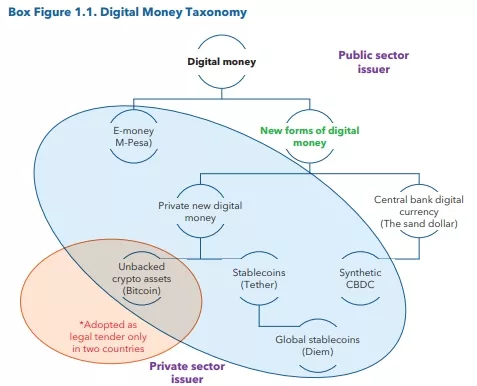
“Unbacked crypto assets, however, are unsuitable as official currency and means of payment and therefore should not be supported by the public sectors,” IMF specialists emphasized.
In January, the organization’s head, Kristalina Georgieva, stated that cryptocurrencies are nothing more than an investment tool.