




A major trader lost $8.2 million on the Lighter exchange following the collapse of a margin position on perpetual contracts for the ARC token.
The incident forced the platform to deploy reserve liquidity and activate the auto-deleveraging (ADL) mechanism.
We had the first battle test of LLP Strategies in the last several hours. TLDR: it worked as expected and protected LLP holders as well as traders. Deep dive in this thread.
— Lighter (@Lighter_xyz) February 26, 2026
According to the platform, the whale had been increasing a long position for several days, bringing the total open interest in the coin to $50 million. About 600 traders and market makers took the opposite side, opening short positions.
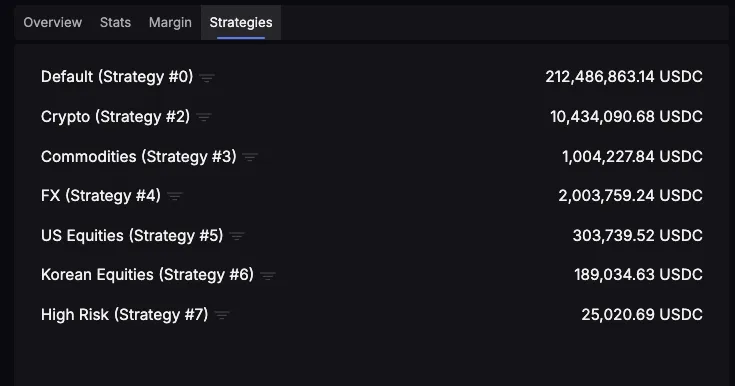
The situation escalated when the price of ARC sharply declined. Positions worth about $2 million were liquidated directly in the exchange’s order book. The remaining volume was transferred to the Lighter liquidity pool (LLP), where it was processed under a high-risk strategy.
To resolve the issue, the platform activated ADL: some profitable shorts were forcibly closed, allowing the system to safely unwind the whale’s losing position.
At its peak, the LLP briefly absorbed about 200 million ARC ($14.7 million), after which the position continued to decrease as prices fell further.
Risk Limits
Despite the large-scale liquidation, losses for liquidity providers were minimal, amounting to only about $75,000.
Lighter explained that ARC trading occurred in an isolated environment, so the incident did not affect the exchange’s main liquidity pool. Short traders who held positions against the whale remained profitable.


“In the end, the major trader lost about 8.2 million USDC, LLP lost $75,000, and short traders who dared to go against this position ended up in the black,” concluded the DEX team.
Following the incident, Lighter introduced additional restrictions on the ARC market. In a pop-up notification on the website, the platform announced a limit on open interest of $40 million.
The pair was also moved under a limited liquidity strategy with allocated capital of about $100,000 in USDC. If this volume is exhausted, the system will automatically switch to ADL to close risks.
Developers added that similar limits could be introduced for other assets.
Back in November, the Hyperliquid exchange suspended deposits and withdrawals amid suspicions of price manipulation of the meme coin POPCAT.
At that time, one trader opened a $30 million long through 19 wallets. His actions triggered mass liquidations and caused $4.9 million in damage to the platform’s liquidity pool.