



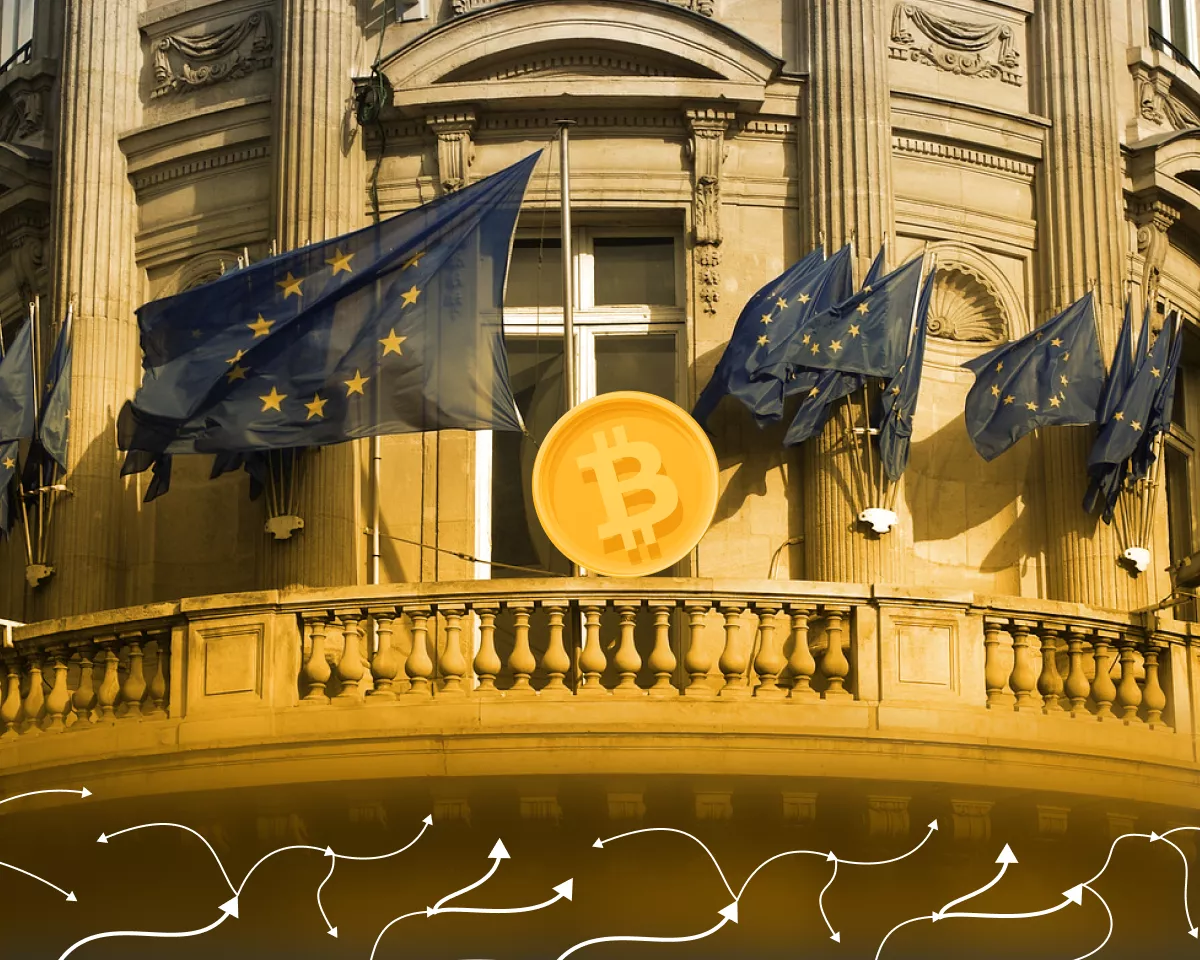
Rune Christensen, the founder of MakerDAO, has indicated that European financial regulators are “highly likely” to interpret DeFi interfaces in a manner that would necessitate a MiCA license.
Heard today that there’s a good chance all EU national financial regulators will interpret DeFi frontends to require a MiCA license. This would make DeFi frontends on normal internet domains, as we know them today, impossible. Only fully decentralized, local, downloaded frontends…
— Rune (@RuneKek) April 3, 2024
“This would make DeFi interfaces on regular internet domains, as they are today, impossible. Only fully decentralized, local, downloadable interfaces or online options with full KYC compliance would be possible. Sad,” he wrote.
According to Christensen, the issue will affect only EU users, effectively sending them back to the “stone age.”
Mikko Ohtamaa, co-founder of the Trading Strategy protocol, noted that there is no EU law regulating the DeFi sector.
As this is not part of any EU regulation (MiCA, AMLD) I dug up the source of this. The EU parliament specifically voted to exclude DeFi.
This is from FATF guidance 2023. All national regulators are FATF members. FATF is unelected, opaque, non-political organisation led by the… pic.twitter.com/jL47KuBXow
— Mikko Ohtamaa (@moo9000) April 3, 2024
He stated that the issue mentioned by the MakerDAO founder is part of the 2023 guidance from the FATF. He emphasized that while all national regulators are members of the group, it is an unelected, opaque, and non-political organization led by the US.
“National regulators should act in their own best interests, and the best interest is not to blindly follow FATF recommendations (the US itself ignores them),” Ohtamaa wrote.
On April 20, 2023, the European Parliament approved MiCA. The EU Council endorsed it on May 16. New rules for stablecoins will come into effect on June 30, 2024, with others following on December 30, 2024.
By mid-2025, a new anti-money laundering regulatory body, the AMLA, will begin operations in the EU.
In March 2024, members of the European Parliament approved criminal penalties for circumventing sanctions using cryptocurrencies.