



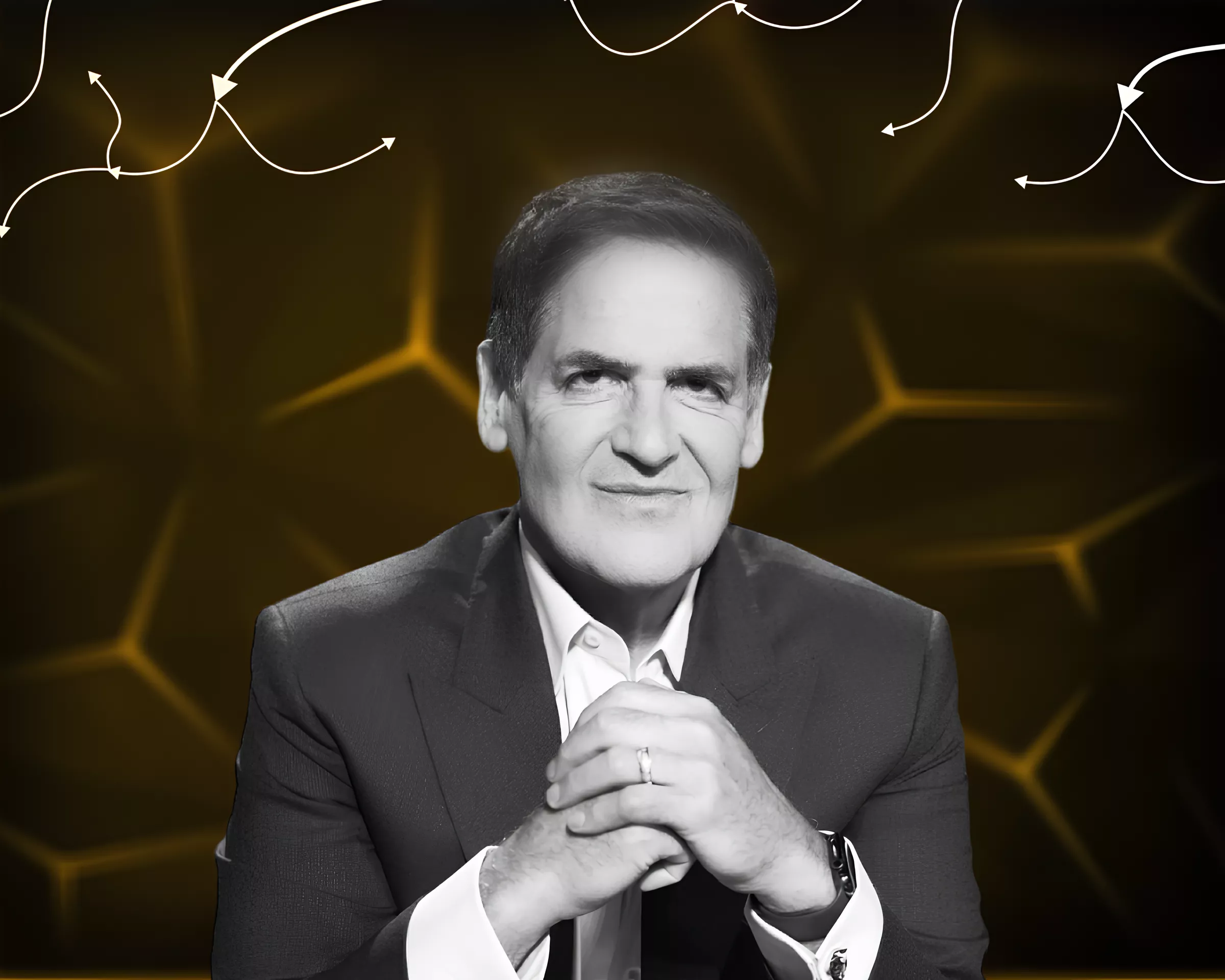
The stance on cryptocurrencies will be a key differentiator between U.S. presidential candidates Donald Trump and Joe Biden, despite both lacking expertise in the area, according to billionaire Mark Cuban.
Do you really think he understands anything about crypto? Beyond saying he made money selling NFTs?
Neither of them does.
And I have said many times that Biden has to choose between Gensler or crypto voters or it could cost him the Whitehouse
— Mark Cuban (@mcuban) June 9, 2024
Discussing the upcoming elections on X, ASI crypto lawyer Preston Byrne noted that Trump’s crypto policy is “actually very substantive and well thought out.” Biden’s approach, he said, is “insane and punitive.”
Cuban expressed skepticism about the politicians’ competence, though he acknowledged the importance of digital assets in this election cycle:
“Do you really think [Trump] understands anything about crypto beyond making money from selling NFTs? Neither of [the candidates] understands. But I have said many times that Biden has to choose between [SEC Chairman SEC] Gary Gensler and crypto voters, or it could cost him the White House.”
Byrne believes that if Trump wins, he will appoint individuals knowledgeable about digital assets to the SEC and the U.S. Treasury.
Previously, Cuban wrote that if Joe Biden loses the upcoming election, the crypto community will have a chance to “thank” the Commission and Gensler. The billionaire noted the negative impact of the SEC’s confrontation with the industry on the Democratic candidate.
Back in May, during a speech at the Libertarian Party National Convention, Trump stated that the U.S. should become a leader in the crypto industry. He also promised to pardon Silk Road founder Ross Ulbricht if elected president.
In June, the politician called himself a “crypto president” and criticized Democrats’ attempts to regulate the industry.
According to a Paradigm survey, about 48% of voters who own digital assets plan to vote for Trump in the upcoming U.S. presidential election. Another 38% support Biden, while 13% remain undecided.