




The market value of gold-backed stablecoins has exceeded $4 billion. Since the beginning of 2025, this figure has nearly tripled from $1.3 billion.
The segment leader is Tether’s XAUT, with a market capitalisation of approximately $2.2 billion, accounting for 50% of the entire gold-backed stablecoin market. Paxos Gold (PAXG) holds the second position with a figure of $1.5 billion. Together, these protocols control nearly 90% of the sector.
Interest in tokenised metals is fuelled by the dynamics of gold prices. In 2025, gold prices rose by about 66%. Investors use blockchain tools to access traditional safe-haven assets without converting to fiat. These tokens allow ownership of shares in physical bars stored in vaults.
Gold and Bitcoin
In 2025, gold solidified its status as the primary safe-haven asset. In the fourth quarter, its price surpassed $4,000 per ounce, with an overall increase of 63%. In this regard, the precious metal outperformed Bitcoin.
The key feature of this rally was growth despite tight financial conditions. The US Federal Reserve only began lowering rates in September, yet the market supported a structural shift in demand.
The main driver of growth was the actions of central banks. Over ten months, the official sector acquired 254 tonnes of gold, with the National Bank of Poland leading the way by purchasing 83 tonnes.
Simultaneously, there was an inflow of funds into exchange-traded funds (ETF). In the first half of the year, gold ETF holdings increased by 397 tonnes, reaching a record 3,932 tonnes by November.
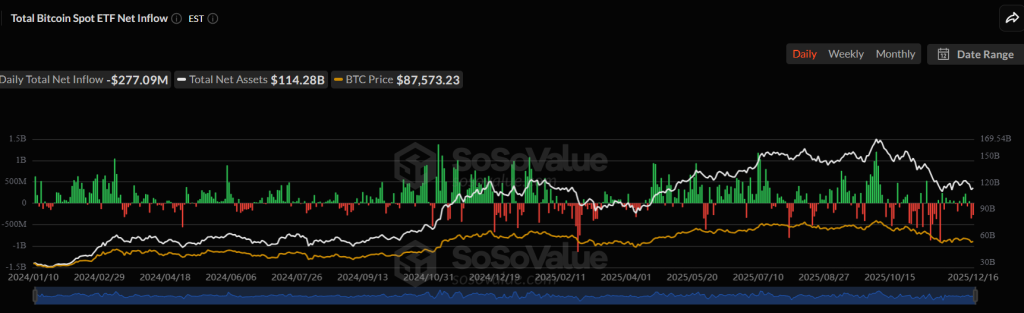
The first cryptocurrency had a strong start thanks to spot exchange-traded funds. Assets under management (AUM) in Bitcoin instruments rose from $120 billion in January to a peak of $152 billion in July.
However, in the second half of the year, the trend reversed: AUM fell to $114 billion amid profit-taking and a slowdown in new capital inflows.


By the end of September, Tether’s reserves reached 116 tonnes, comparable to the reserves of South Korea, Hungary, or Greece.