


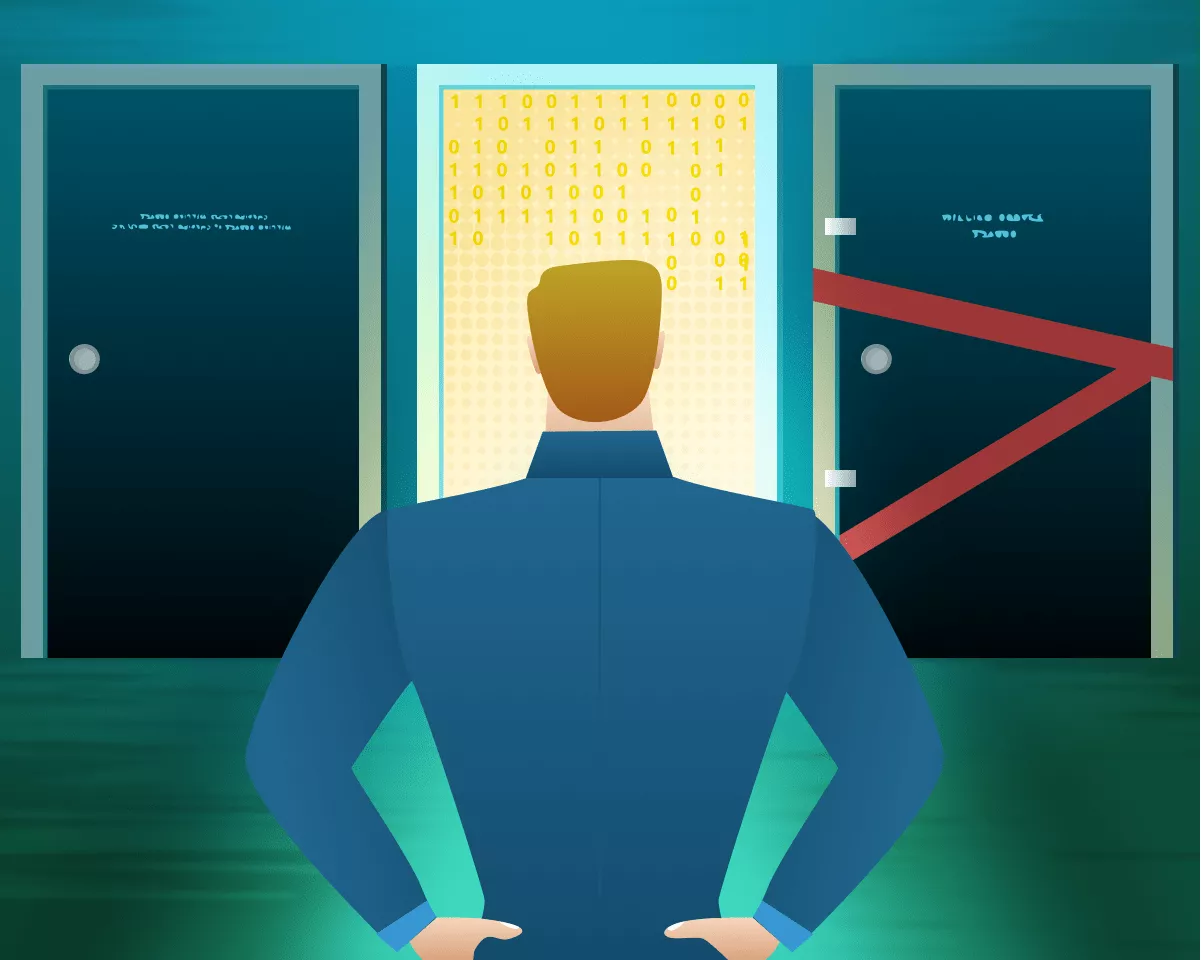
MEV project on Ethereum began censoring sanctioned transactions
The MEV-infrastructure provider bloXroute began rejecting transactions linked to sanctioned wallets on the OFAC list.
announcement:
bloXroute MEV Relays to reject blocks w/ OFAC tx
effective immediately, all bloXroute relays will reject block bids if they contain OFAC transactions (Tx which interact with addresses appearing on the OFAC SDN list)
We remain committed to supporting ETH… pic.twitter.com/9kEdAy82yf
— bloXroute Labs (@bloXrouteLabs) December 18, 2023
The platform’s new policy, which has created more than 400,000 blocks in the network, took effect on December 18.
“We remain committed to supporting a decentralised and uncensored Ethereum, while remaining in compliance with our jurisdiction,” said bloXroute representatives.
“An ‘OFAC transaction’ is any operation that interacts with a wallet under sanctions, the company clarified. The firm also admitted that the blocks would reduce its revenue by about a third.”
The decision will affect all bloXroute Labs relays, including bloXroute Max Profit, which previously ranked as the second-largest censorship-resistant MEV relay with more than 380,000 blocks created.
The Web3-project Labrys team noted that censorship should be avoided at the protocol level and applied only within the scope of specific applications.
Like the internet, censorship should be avoided at the protocol level and instead, rules and regulations are best applied at the application level.
Given @ethereum is a global infrastructure, more countries could enforce their own sanctions, which could make it “impossible” to…
— Labrys (@Labrys_io) December 19, 2023
“Ethereum is a global infrastructure; more countries could impose their own sanctions, which could make it ‘impossible’ to mine a block that complies with all regulatory regimes around the world,” the company added.
Community members argue that the tightening of compliance measures limits avenues to a “trustworthy neutrality” for Ethereum. Some have even abandoned using bloXroute.
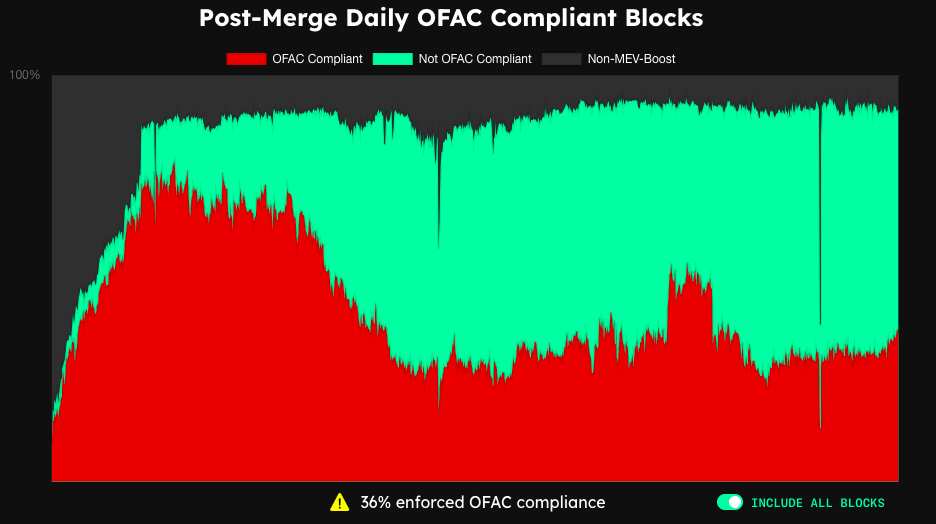
According to mevWatch, about 36% of blocks are currently censored due to OFAC, compared with a peak of 78% on November 20. Since March, this figure has generally hovered around 30-40%.
Earlier, Tether blocked 161 addresses from the OFAC list. Of them, 150 turned out to be empty. However one contained 3.5 million USDT — analyst ZachXBT linked it to the Stake platform hack.
In December, CoinList settled claims by the U.S. regulator over sanctions violations relating to Russia, agreeing to pay a $1.2 million penalty.
Рассылки ForkLog: держите руку на пульсе биткоин-индустрии!