



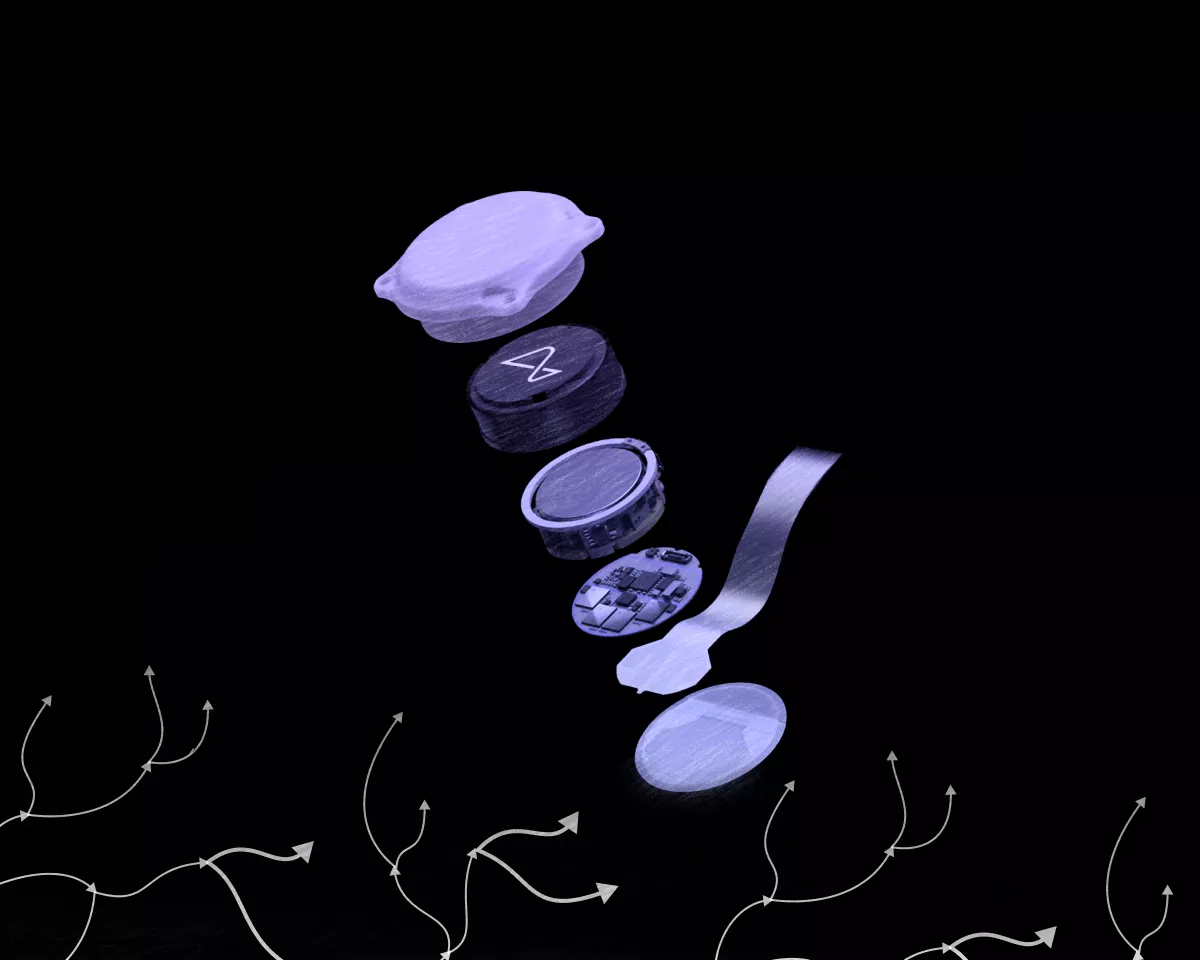
Neuralink, the brain-computer interface startup, has successfully implanted a neural chip in the brain of a second patient, as revealed by Elon Musk during a podcast with Lex Fridman.

The billionaire explained that the participant in the experiment had a spinal cord injury similar to that of the first volunteer, Noland Arbo, who was paralyzed following a diving accident.
The brain of the new recipient of the brain-computer interface (BCI) is equipped with 400 electrodes, Musk added.
“I don’t want to jinx it, but it seems the second chip went very well. There are many signals and electrodes,” he commented.
The entrepreneur did not disclose the date of the operation, noting that Neuralink plans to integrate neural implants into eight more patients this year as part of clinical trials.
In the first half of July, Musk mentioned plans to conduct the operation “within the next week or so.” It was also revealed that the company is working on fixing hardware issues encountered by Noland Arbo.
About a month after the operation, some neural threads of the device detached from the brain of the first experiment participant due to its shifting during pulsation. Startup leaders noted that about 15% of the channels in Arbo’s implant are functional.
Neuralink to Bestow Superhuman Abilities
During the podcast, Musk noted that his startup’s BCI will not only allow paralyzed individuals to control simple computer interfaces with their thoughts but also grant exceptional abilities.
According to the billionaire, Neuralink will provide people with thermal or eagle-like vision, cure certain diseases, and eliminate neurological disorders and blindness.
Traditional computer use will seem “painfully slow” after the implant’s application, the entrepreneur noted. In the future, people will be able to merge with AI systems to expand their brains, he added.
Back in January, Musk’s startup implanted the first brain chip in a human.
In February, the patient underwent rehabilitation and learned to control a computer mouse without using hands.
In May, the company began searching for a second volunteer to test the brain chip.