



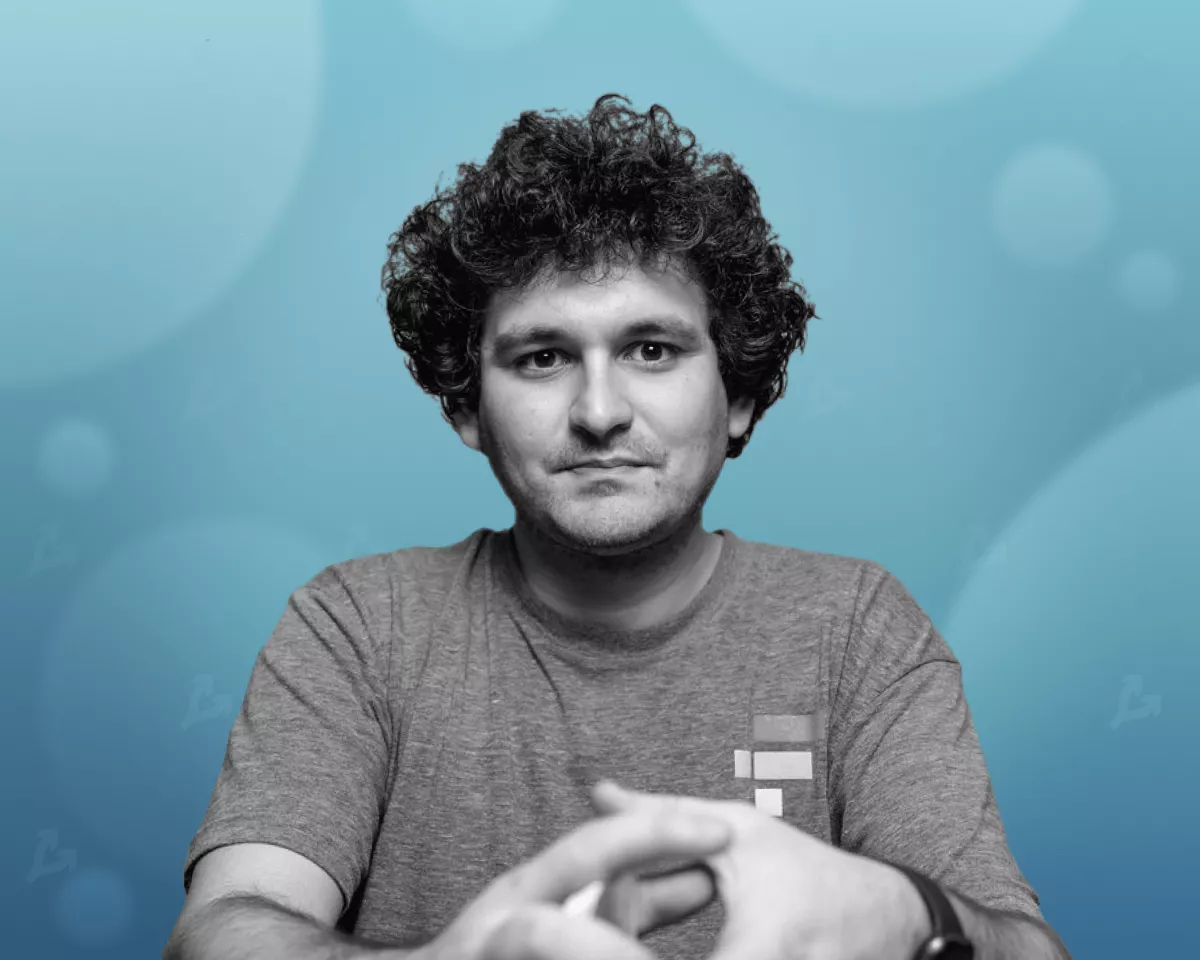
On 3 October, proceedings in the case of the former head of collapsed FTX, Sam Bankman-Fried (SBF) began. The sides selected jurors and delivered opening statements.
SBF faces seven criminal counts, including conspiracy to commit fraud. He has not pleaded guilty to any of the counts.
The proceedings are presided over by U.S. District Judge Lewis Kaplan, who previously presided over other high-profile hearings, including those involving Guantanamo detainees, the Gambino crime family, Prince Andrew and former President Donald Trump.
According to Bloomberg, half of the first day was spent on jury selection. In the end, the sides selected nine women and three men. One of them is a 68-year-old American with a master’s degree from Stanford University, where SBF’s parents studied.
The judge Kaplan gave the jurors a brief overview of the case, noting that Bankman-Fried is charged with fraud against customers and investors of FTX and Alameda Research, without detailing the scale of the wrongdoing or explaining that his company had collapsed.
Later, the defense and the prosecution delivered their opening statements. According to Inner City Press, the judge likened the opening statements to movie trailers.
The U.S. Department of Justice took a hard line against Bankman-Fried, branding the founder of FTX as a man who deliberately lied to investors to enrich himself and expand his crypto empire.
According to prosecutors, SBF deceived customers, using Alameda as a ‘key partner in stealing funds‘.


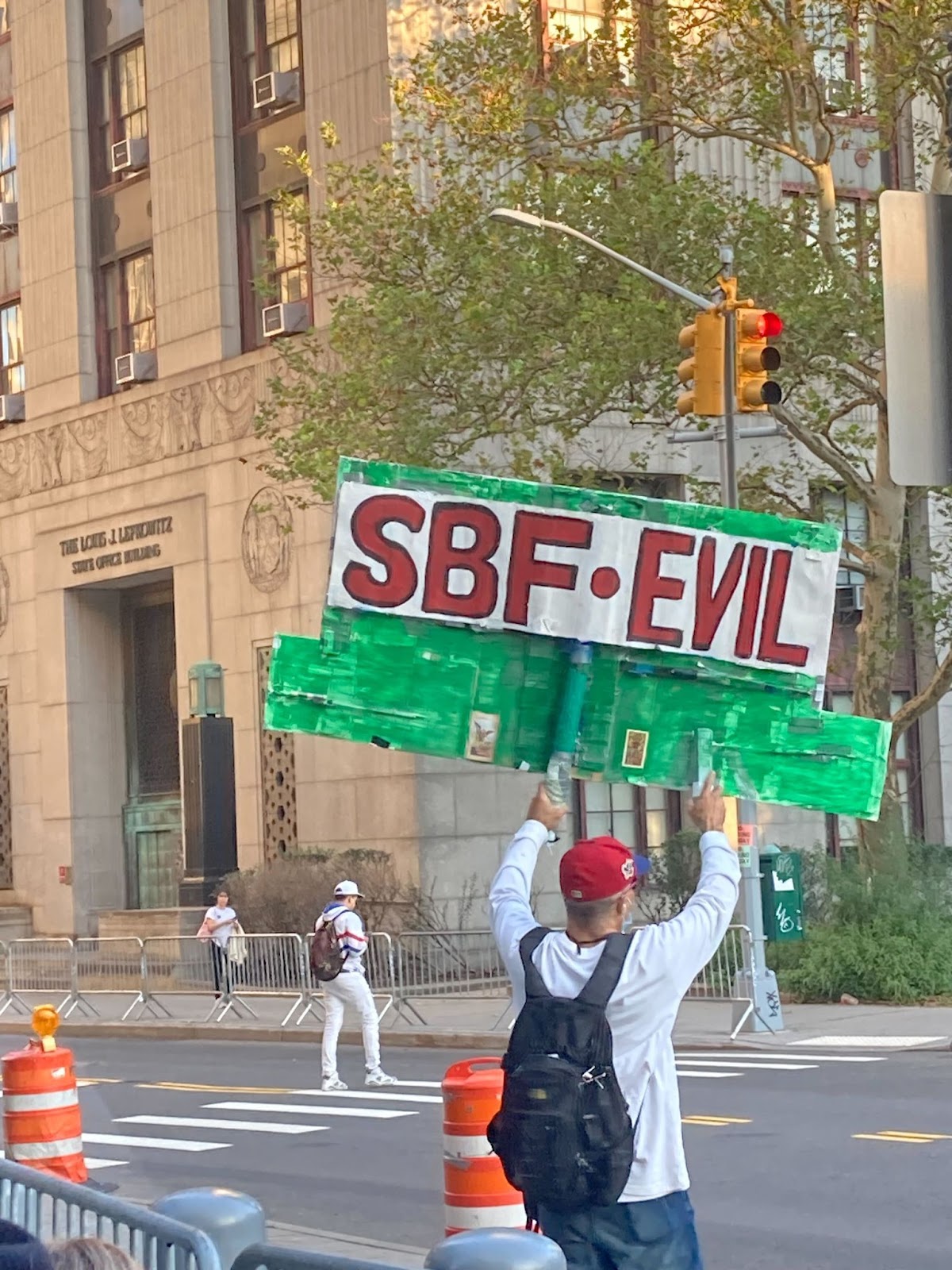
The Department of Justice is likely to focus its arguments on the claim that the former head of FTX deliberately misled creditors about the safety of their funds.
According to prosecutors, former FTX and Alameda employees Caroline Ellison, Gary Wang and Nishad Singh will provide the jury with insider information about Bankman-Fried’s role in the alleged crimes. However, the defense noted that under cooperation agreements they are obligated to testify against SBF, which calls their reliability into question.
Earlier Ellison and Wang pleaded guilty to charges related to the platform’s collapse and agreed to assist the investigation. The former head of Alameda Research described price manipulation of the FTT utility token.
Ellison also admitted to knowingly deceiving creditors. She said, ‘She knew this was wrong.’ She, along with SBF, hid agreements from investors and falsified financial statements.
Bankman-Fried’s lawyers said he ‘acted in good faith’, and shifted some blame to Ellison. The defense denies the existence of secret transactions between Alameda and FTX. According to the lawyers, all operations were legal or conducted by the exchange’s chief with good intentions during the market downturn.
Lawyers also highlighted the role of Binance in the withdrawal of funds from banks, which led to FTX’s collapse.
The lawyers stressed that SBF regarded Alameda’s lending operations as legitimate within the business relationship.
‘There was no theft. It is not a crime to be the chief executive of a company that files for bankruptcy,’ the lawyers concluded.
Following the opening statements, the jury heard testimony from two witnesses—a French trader and former FTX client, Marc Julesard, and SBF’s friend Adam Yedidia.
The first testified that at the time of the exchange’s collapse he had 4 BTC on his accounts worth nearly $100,000. He said FTX’s marketing tactics instilled in him confidence in the platform’s security.
Yedidia recounted meeting SBF at university and described his initial collaboration. In 2017 he worked as a trader at Alameda, but in 2021 he moved to FTX as a developer.
Earlier this September, lawyers assessed Bankman-Fried’s chances in court. They reviewed the charges and calculated a potential sentence for the defendant.