


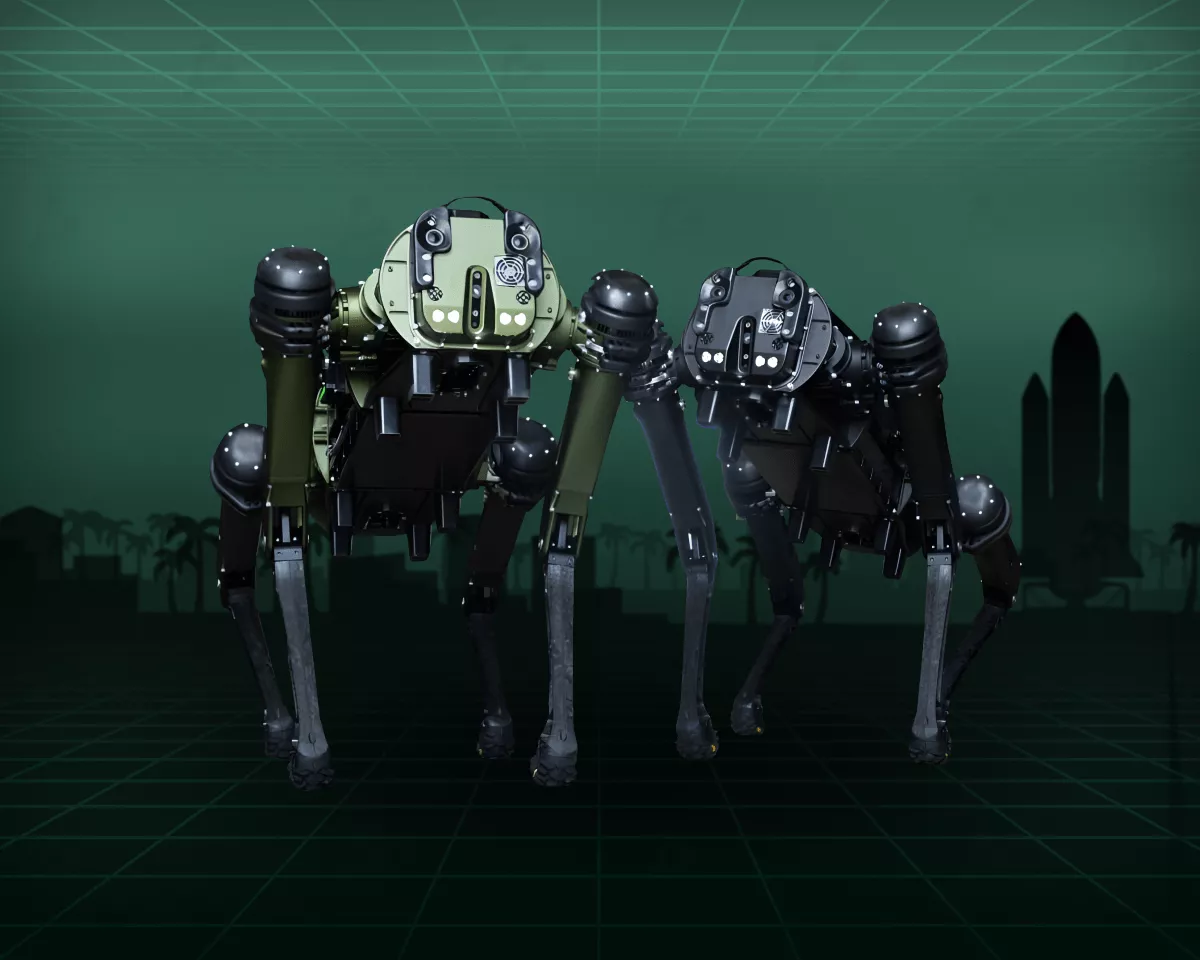
Advancements in Exoskeletons and Humanoid Robots from South Korea and China
South Korean researchers have developed a wearable “Iron Man” exoskeleton. It enables individuals with partial or complete paralysis of the lower body to walk, climb stairs, and overcome obstacles.
The WalkON Suit F1 robot can approach a user and assist them in standing up. The team at the Korea Institute of Science and Technology stated their aim to create a robot that seamlessly integrates into the daily lives of people with disabilities.
Researcher Kim Seung-hwan, who is himself paraplegic, demonstrated a prototype that allows walking at a speed of 3.2 km/h and climbing stairs.
“It can come to me wherever I am, even if I’m sitting in a wheelchair. The robot helps me stand and wear it, which is one of its most distinctive features,” noted Hwan.
The exoskeleton is made of aluminum and titanium, weighs 50 kg, and is equipped with 12 motors that mimic human joint movements. It has sensors on the soles and upper body to ensure balance while walking, tracking 1,000 signals per second.
Lenses on the front of the robot function as eyes, analyzing the surroundings, determining stair height, and detecting obstacles.
Another team member, Park Jong-su, mentioned being inspired by the film “Iron Man.” After watching it, he thought it would be great to create a real-life assistant robot.
Robots from China
Founded by former Huawei Technologies employee Peng Zhihui, the two-year-old startup Agibot has launched mass production of humanoid robots. This was reported by SCMP.
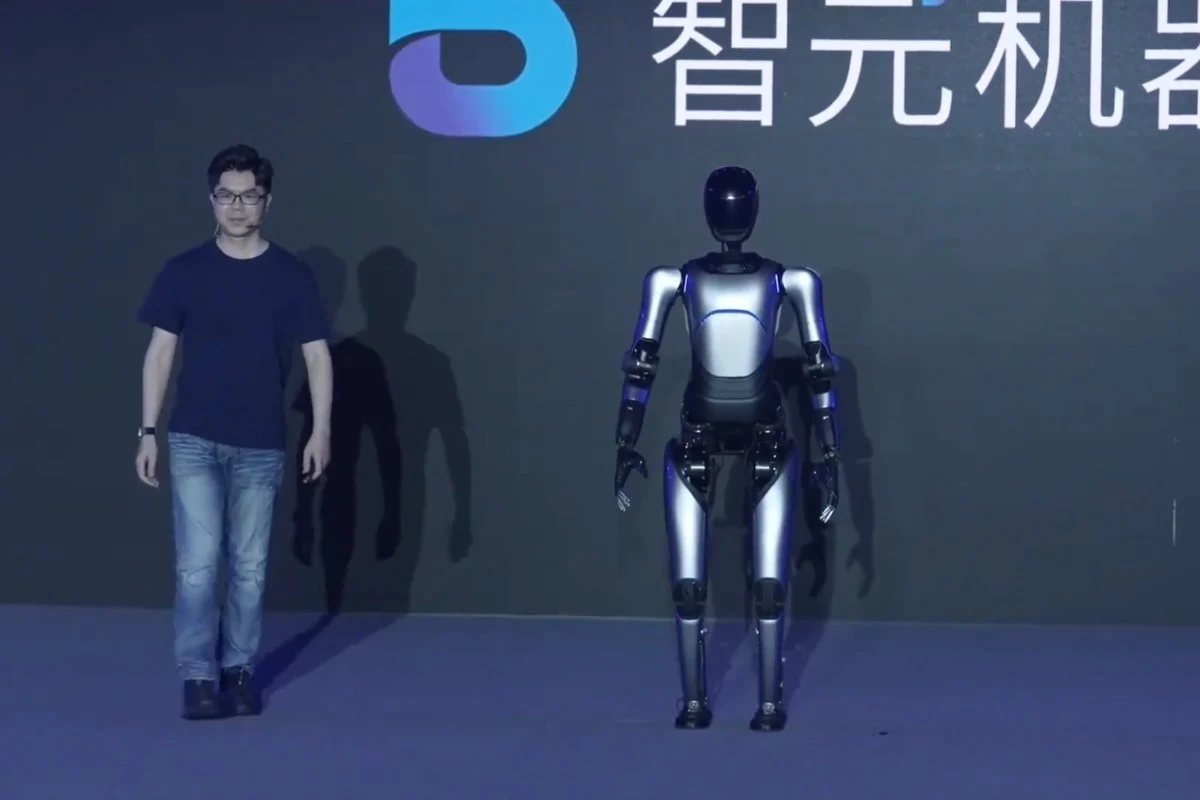
The Shanghai-based company has released 962 general-purpose bots for commercial use. The firm overcame significant hurdles to launch, spending two years bringing the idea to fruition, Zhihui emphasized.
Huawei hired the 31-year-old engineer in 2020 under the “Genius Youth” program for young talents to work on AI projects in the tech giant’s computing-focused division. His posts about inventions like a robotic arm inspired by “Iron Man” went viral on Chinese social media.
In December 2022, Zhihui left Huawei, and by February the following year, he founded Agibot. His firm is backed by major investors such as HongShan, Hillhouse Investment, and BYD.
OpenAI has also shown interest in developing humanoid robots, as reported by The Information.
In 2021, the company quietly abandoned these ambitions, shutting down its robotics division.
In the humanoid robot market, Tesla is the most well-known company. In October, Elon Musk’s firm held a large presentation where its robots walked among people at the event, danced, conversed with guests, and made cocktails.
In June, the billionaire stated that Optimus would raise Tesla’s market capitalization to $25 trillion.
Later, he predicted the creation of 10 billion humanoid robots priced between $20,000 and $25,000.
Рассылки ForkLog: держите руку на пульсе биткоин-индустрии!