



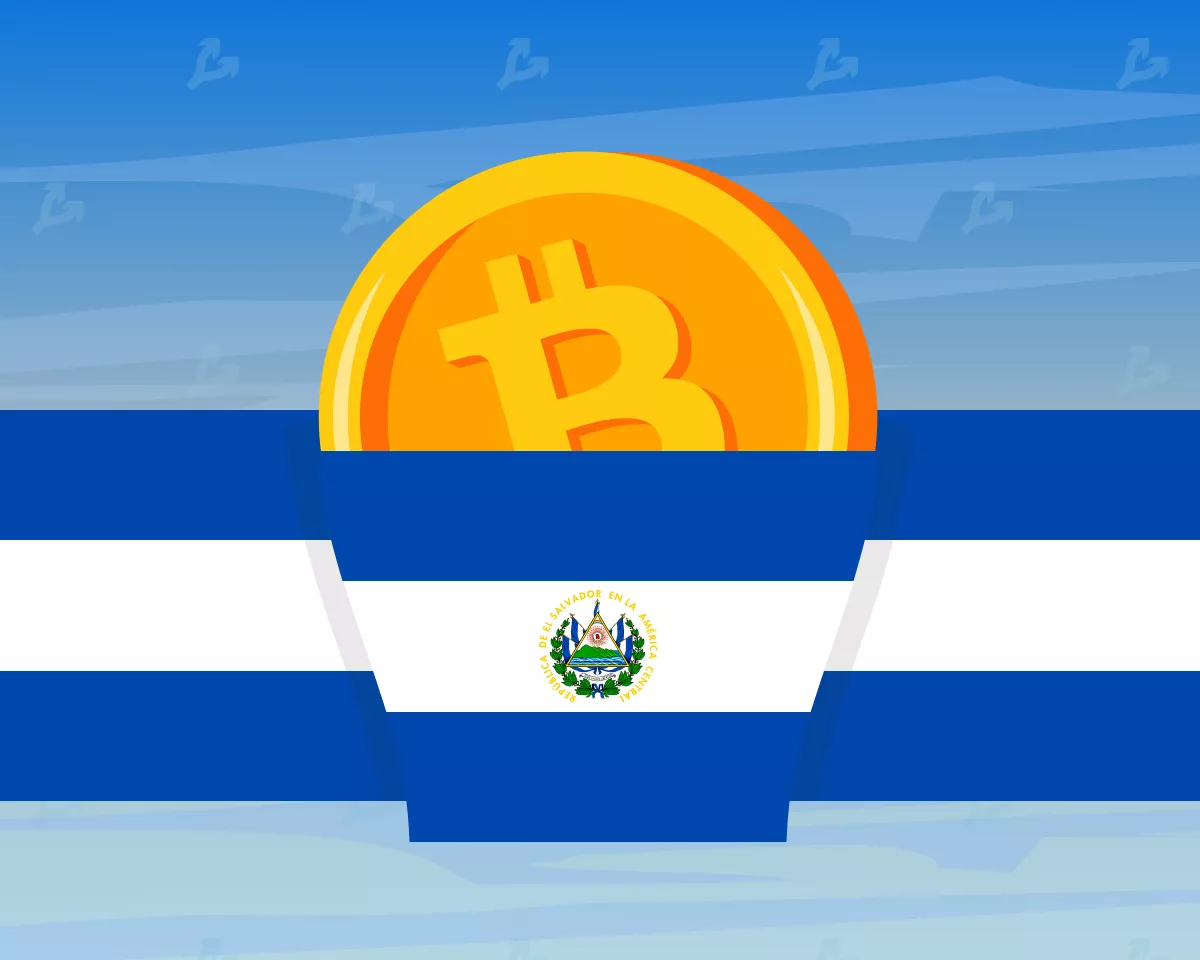
Analysts at Bank of America (BofA), one of the largest financial institutions in the United States, say that El Salvador could reap a number of benefits from adopting Bitcoin.
#ElSalvador The President @nayibbukele shares this morning some of the opportunities that @BankofAmerica sees in El Salvador, after the adoption of #Bitcoin pic.twitter.com/08D1RuGFYI
— Diario El Salvador (@elsalvador) August 1, 2021
In the bank’s report analysts noted that recognizing cryptocurrency as a legal payment method could potentially reduce the cost of remittances, which account for nearly a quarter of GDP of El Salvador. This could positively affect residents’ disposable income.
Another advantage of the Bitcoin rollout, the analysts said, is the democratisation of financial services, as around 70% of the country’s adult population does not have a bank account.
El Salvador could also attract streams of foreign direct investment, becoming a major cryptocurrency mining hub similar to Iceland, according to BofA.
In June, the Legislative Assembly of El Salvador passed a law recognizing Bitcoin as an official payment method in the country. It will take effect on 7 September 2021.
IMF spokesman Jerry Rice said that the initiative could entail a number of risks and regulatory issues.
In July the IMF warned about the consequences of Bitcoin’s legalization. The organisation says that countries adopting digital assets as their national currencies or legal tender risk macroeconomic stability.
Moody’s downgraded El Salvador’s long-term foreign-currency credit rating to Caa1 with a negative outlook. One of the reasons for this was the legalization of the cryptocurrency.
As previously noted, Professor Steve Hanke, a professor of applied economics at Johns Hopkins University, argued that Bitcoin adoption could completely destroy El Salvador’s economy, as it would lead to an outflow of U.S. dollars, which are its official currency.