



Binance blocks assets totaling more than $630,000 over alleged ties to Suex
Five more users of the cryptocurrency exchange Binance contacted ForkLog after being blocked over an alleged ties to the sanctioned exchange Suex. The total value of funds blocked on their accounts exceeds $630,000.
All of the blocks occurred between September 21 and 23. The notices alleging a potential link to Suex were only received by the affected individuals on September 24. ForkLog had previously reported on a similar incident.
Binance blocked a customer’s account for a transaction to the Suex exchange address
One of the users, a man named Mikhail, told ForkLog that he does not understand how his wallet came into contact with the Suex exchange. He denies making intentional transactions to the company’s address.
“Last spring I used a P2P service for which Binance acts as guarantor, and several times sent USDT to the permanent addresses of friends. For example, last spring I bought video cards from a friend and paid to his permanent USDT TRC-20 wallet. His account wasn’t blocked,” the claimant said.
He suggests that the operations on the Binance P2P platform could somehow be connected to sanctioned addresses of the exchange.
“There are a lot of sellers, and even if among them was a Suex client, I would physically never know about it. Because Binance itself withdraws money from the deposit in favour of the client,” he explained.
Before receiving the ‘letter of happiness’ from support, he was told about an allegedly violated Terms of Use on his part.
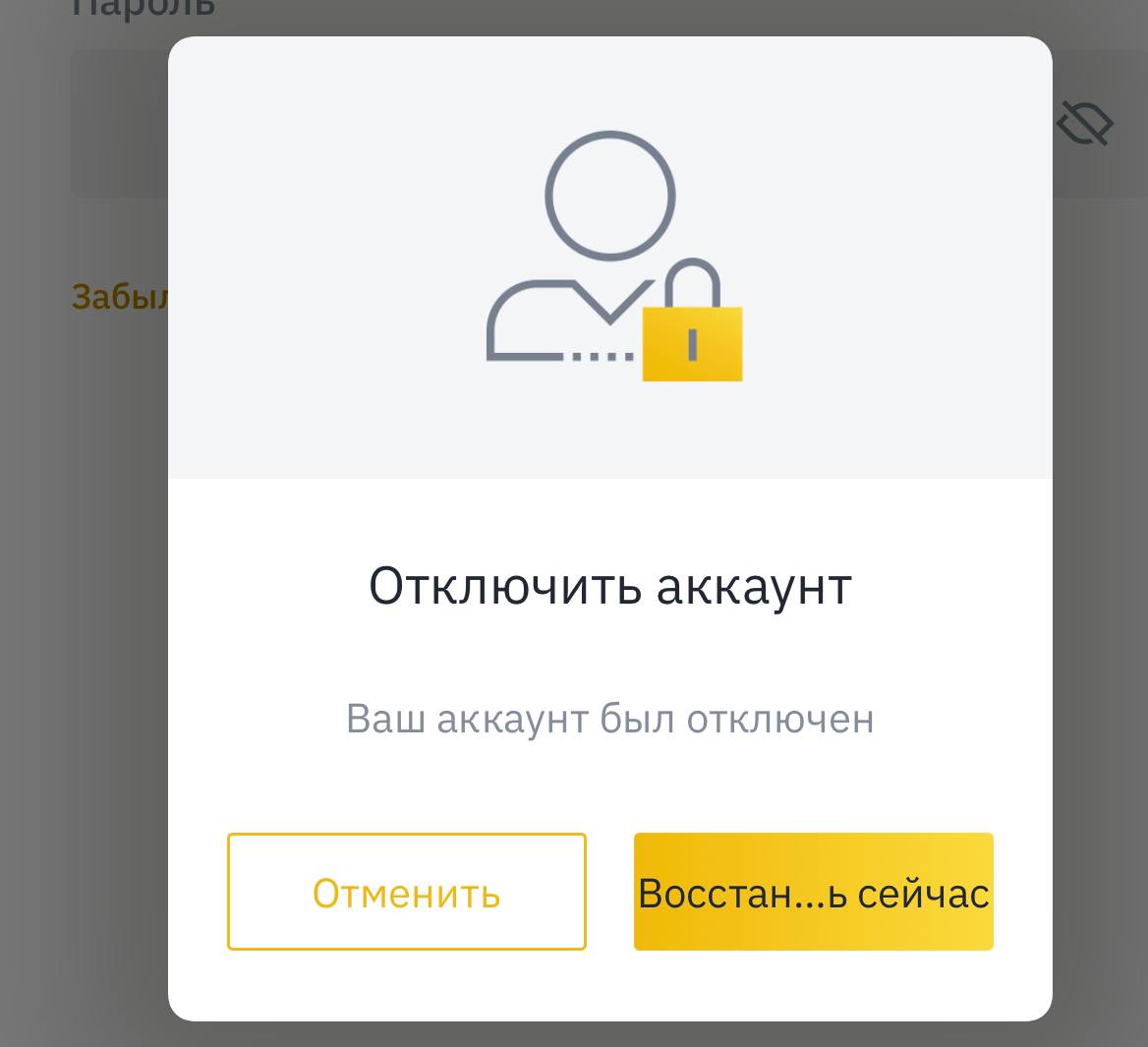
Data: screenshot of a user’s Binance account dashboard.
More than $200,000 remains blocked on his account.
“A lot of assets got stuck — in three years of use the account held more than 25 coins. Moreover, many contracts for USDT-M and COIN-M futures are open. Most Ethereum deposits came from the Ethermine pool. I also mined Zilliqa. It is unclear who would be responsible in the event of order liquidations,” the affected person noted.
Support told the user that his account is a priority for investigation. He stressed that he is ready to provide all necessary reports, but has received no additional requests from Binance representatives.
“I consider this to be an outrage from the exchange, which is trying to wriggle out before regulators by blocking diligent users without scrutiny. Meanwhile, it accuses them of breaching the contract and the exchange’s terms,” the user added.
Another Binance client who asked to remain anonymous said that his account, verified in 2017–2018, was blocked. He had not heard of Suex before this incident either.
“After so many years I have indeed carried out various transactions, but I never deliberately transferred funds to Suex or dark-net marketplaces. I don’t even know which wallet is being referred to. Probably the issue was just one transaction and they are searching for a link,” the user explained.
Following the block, around $100,000 in assets were unavailable to him.
Another victim by the time of writing had not disclosed the amount of damage. In a letter to the editors, she stated she had not received explanations from support after being informed of the reasons for the block.
Representatives of Binance, in comments to ForkLog, repeated the previously stated position that the measures were applied to accounts linked to sanctioned Suex addresses.
“In response to the decision by OFAC, Binance is conducting an investigation into the exchange,” they added.
Earlier Binance reported that has removed several accounts linked to Suex, in line with internal security measures.
Pavel Vrublevsky, founder of ChronoPay, described Binance’s account-blocking policy as “nightmarish” in an interview with ForkLog. He urged victims to seek legal assistance and defend their rights in court.
“In cases involving companies like Binance, the only effective remedy will be legally meaningful correspondence. There are surely laws under which funds should be returned, until there is proof of users’ guilt and involvement in illegal operations,” he stated.
Following the sanctions report, the U.S. Treasury added the legal entity and the Suex website, together with 25 addresses on the Bitcoin, Ethereum and Tether networks, to its sanctions list.
The agency says that the platform processed funds for operators of at least eight ransomware campaigns, scam projects, dark-net marketplaces and the now-defunct BTC-e exchange.
Analytical company Chainalysis found that among other things, Suex processed transactions of the WEX exchange worth several million dollars.
Analysts involved in the investigation estimated that assets tied to cybercriminals accounted for up to 40% of Suex’s turnover.
Subscribe to ForkLog news on Telegram: ForkLog Feed — all the latest news, ForkLog — the most important news, infographics and opinions.
Рассылки ForkLog: держите руку на пульсе биткоин-индустрии!