


BitChat kept communication flowing during protests in Indonesia and Nepal
A private Bluetooth messenger became a tool against corruption
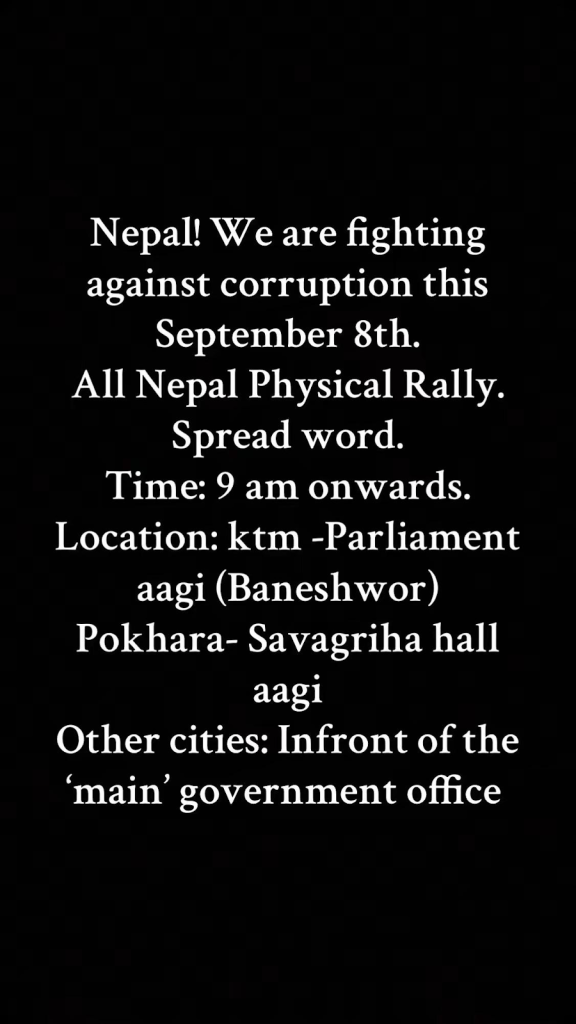
On September 8, protests erupted in Nepal’s capital. The “Generation Z protests,” as they were later dubbed, were sparked by a ban on 26 popular social networks, including Facebook, Instagram, WhatsApp and YouTube. The restriction became a decisive factor in mounting discontent with officials suspected of corruption.
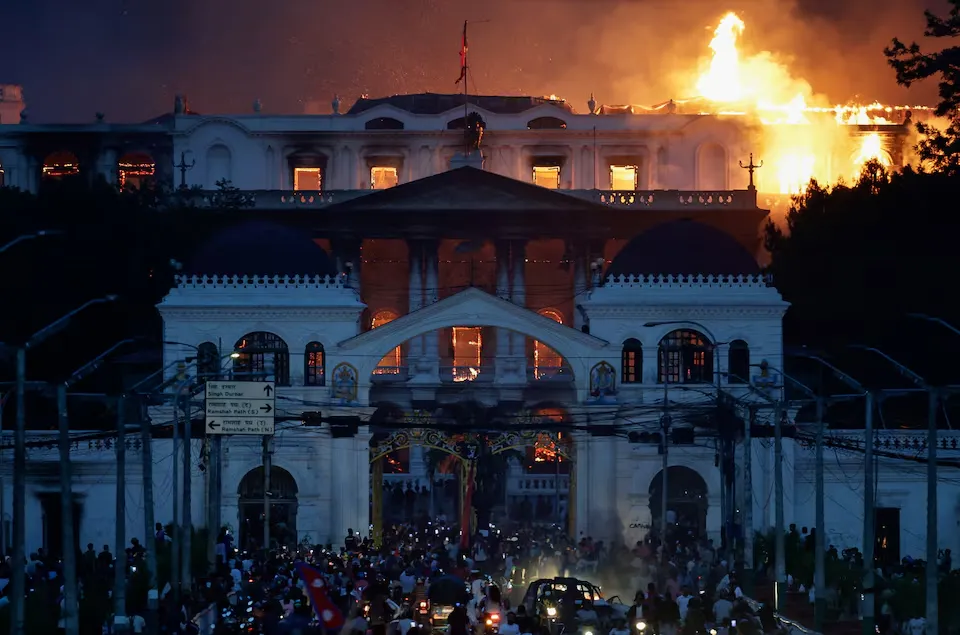
The violent stand-off with law enforcement, which lasted for nearly two days and saw police use weapons against civilians, led to the ransacking of administrative buildings and widespread arson. At the time of writing, the death toll had risen to 30 and the number of injured had exceeded 1,000.
On September 9, Prime Minister Khadga Prasad Sharma Oli, who had found himself at the centre of corruption allegations, resigned; social-media restrictions were lifted. The army expressed support for the people and is seeking dialogue with protesters to stabilise the situation.
On September 11, around 13:00 local time, posts on the r/Nepal subreddit reported easing tensions in Kathmandu and a return to normal life.
Encrypted uprisings
On the first day of the protests, Nepalis formed a large organised Generation Z mesh network. Cut off from familiar social media amid the clashes, they turned to an alternative channel — the Bluetooth messenger BitChat. One of the app’s developers, who goes by “calle,” said so on September 10.
Last week, we observed a sudden spike in bitchat downloads from Indonesia during nationwide protests.
Today we’re seeing an even bigger spike from Nepal during youth protests over government corruption and a social media ban.
Freedom tech is for the people. Please share. pic.twitter.com/IqhRa8eCvw
— calle (@callebtc) September 10, 2025
On September 8, downloads of the anonymous software in Nepal reached 48,781. A week earlier, only about 3,344 had been recorded.
BitChat is the invention of Twitter founder Jack Dorsey, released in July.
The free app, built on mesh-network technology, enables encrypted messaging without internet access, requires no account creation and no phone verification. According to the white paper, BitChat runs over Bluetooth Low Energy.
Each device acts as a node relaying messages up to 300 metres. One of the messenger’s key features is privacy. Panic Mode instantly deletes all data after triple-tapping the logo.
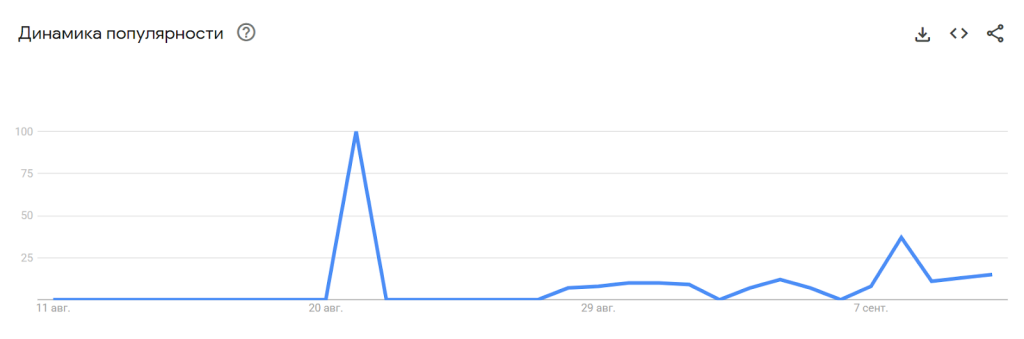
According to Google Trends, over the past 30 days worldwide, searches for “bitchat download” show heightened interest in the app on dates close to large-scale protests. The first peak came on August 21, the second on September 8.
According to materials provided by calle, anomalous download spikes in Indonesia began on September 3, when downloads of the Bluetooth messenger reached 11,324.
As in Nepal, the trigger was public unrest. On August 25, protests broke out in Jakarta and spread to many cities. Demonstrators demanded the repeal of newly announced high housing-allowance payments for members of parliament and sought higher wages for ordinary citizens.
On September 1, the authorities relented: MPs’ perks and costly foreign trips were scrapped. Six people were killed in the clashes, and the total number of arrests across Indonesia reached 3,195.
“Last week, we noticed a sudden surge in BitChat downloads from Indonesia during nationwide protests. Today we are seeing an even bigger jump from Nepal amid youth protests against government corruption and a social-media ban,” wrote calle in a post.
Russia topped both charts published by the developer. Downloads from the country rose markedly between September 3 and 8, from 7,519 to 8,749. The United States and India also featured among the top countries.
In June, Elon Musk announced the launch of the XChat messenger “with encryption, disappearing messages and the ability to send any files.” The app faced criticism.
Рассылки ForkLog: держите руку на пульсе биткоин-индустрии!