



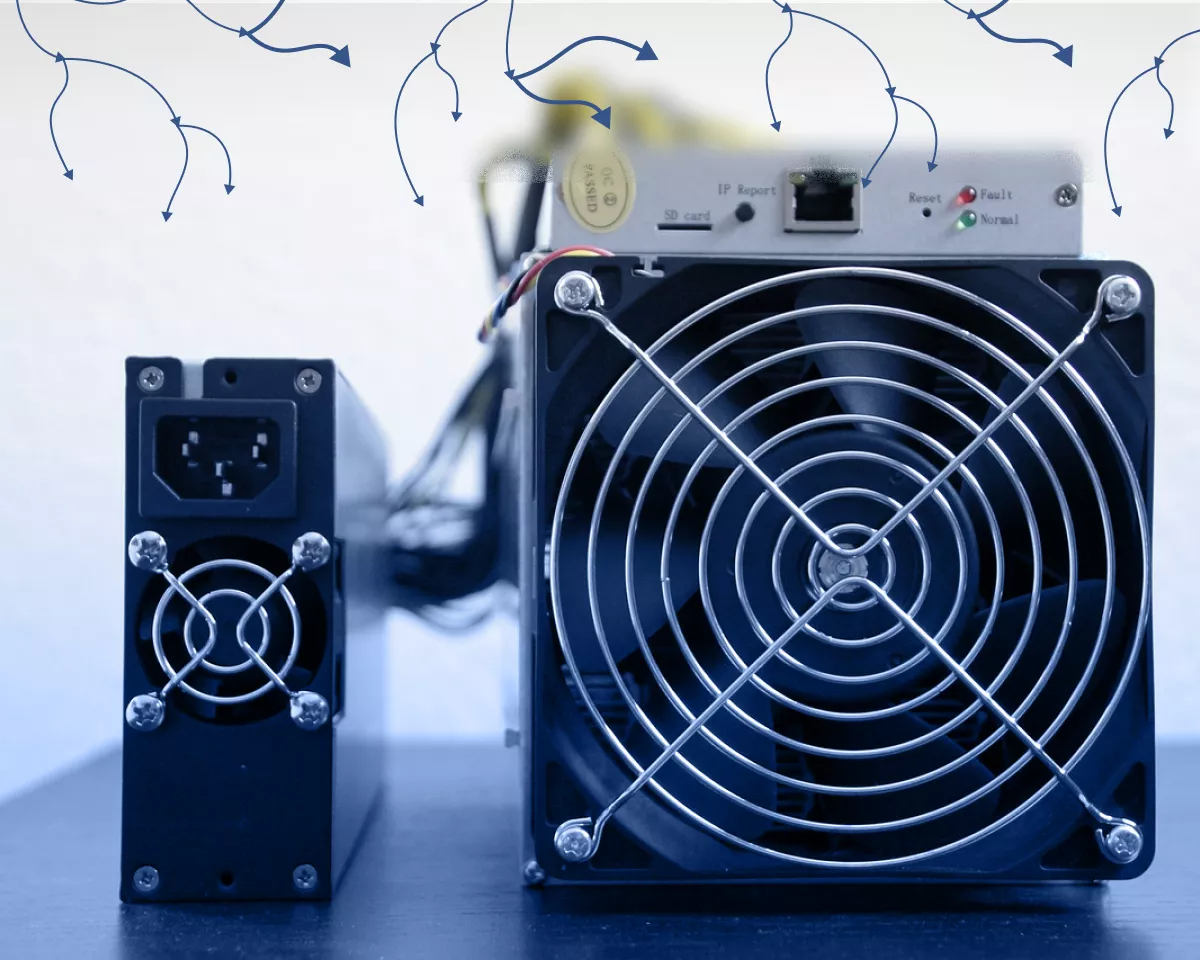
Canaan’s American division has signed a contract to supply approximately 6,840 Avalon A15Pro miners to Cipher Mining during the third quarter.
🚨 NEW: We’re delivering 6,840 Avalon A15Pro miners to @CipherInc’s Black Pearl facility 🇺🇸⚙️
💥 221 TH/s⁰⚡ 16.6 J/TH⁰🏭 Built in the U.S. & Malaysia
Big step for domestic #Bitcoin mining infrastructure.
Full release: https://t.co/fO7m9E90H3
— Canaan Inc. (@canaanio) July 18, 2025
The units, destined for deployment at the Black Pearl facility in Texas, will be sourced from Canaan’s Malaysian factories as well as its US subsidiary.
The company described the agreement as “the first major initiative to provide large-scale support to American clients through domestic production.”
Canaan’s Chairman and CEO, Nangeng Zhang, noted the rising demand for miners amidst Bitcoin’s all-time high. He also mentioned tariff pressures prompting clients to reconsider supply chains.
In its May operational report, the company stated that equipment imported from Malaysia to the United States is now subject to a 10% tariff.
“Rapid deployment, return on investment, and reliability have once again become key priorities. Thanks to our manufacturing advantages, we have built a solid reputation, expanded our market presence, and ensured reliable delivery capabilities on both sides of the Pacific,” Zhang stated.
Canaan launched a pilot project for miner production in the US in June.
The Avalon A15Pro offers a hash rate of 221 TH/s with an efficiency of approximately 16.6 J/TH. The batch is expected to increase the Black Pearl data center’s computing power by 1.5 EH/s.
The contract amount was not disclosed. According to the manufacturer’s website, the cost of the entry-level model in the A15 series is $15.8 per TH/s.
According to Hashrate Index, the average market price for units with an energy efficiency ratio of no more than 19 J/TH has remained relatively stable in recent months, hovering around $17 per TH/s.
Back in December 2024, the largest mining equipment manufacturer, Bitmain, announced the opening of production in the US. One of the factors influencing the decision was lengthy delays in importing products into the country.