


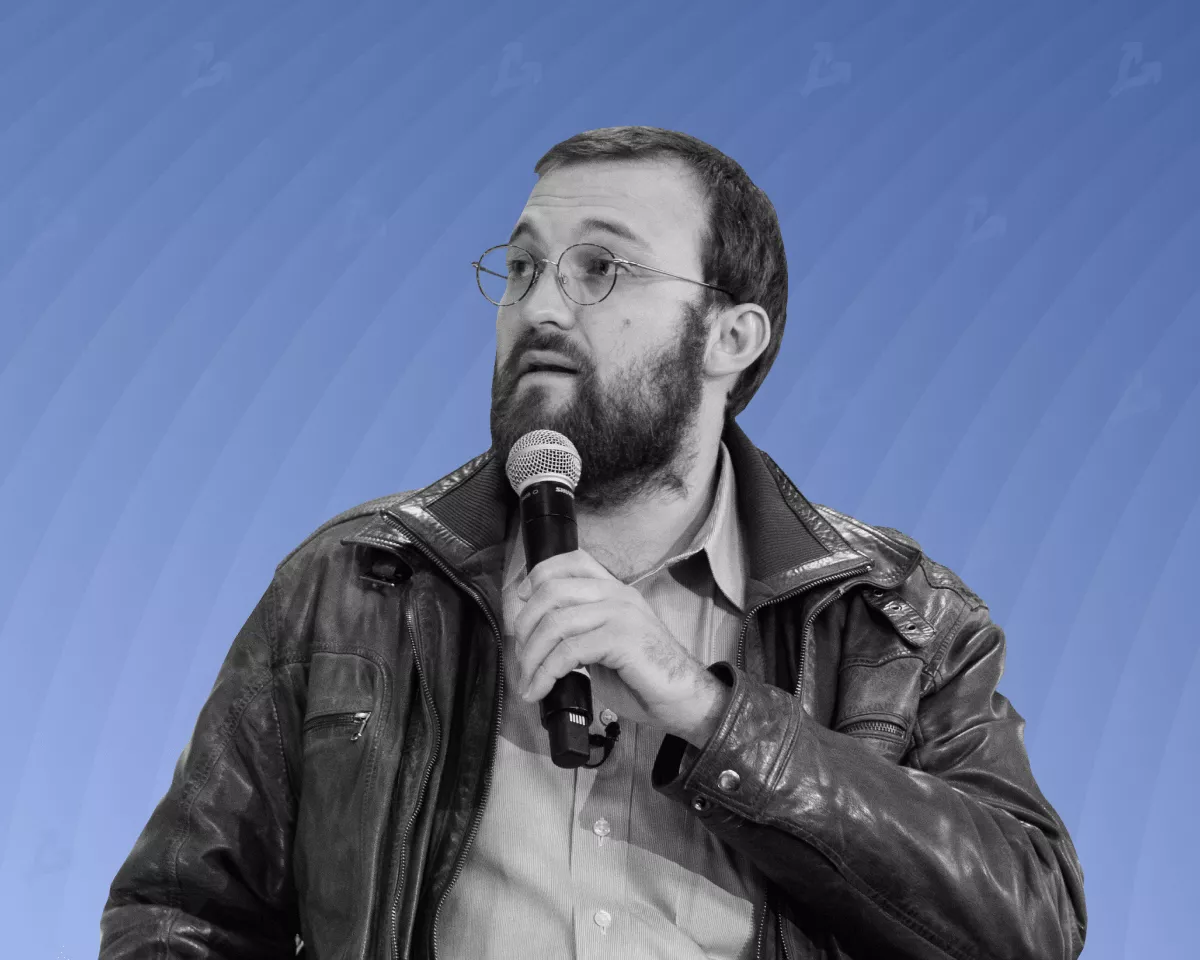
Charles Hoskinson Criticizes Bitcoin’s L2 Development
Charles Hoskinson, the founder of Cardano, has expressed skepticism regarding the development of second-layer solutions on the blockchain of the first cryptocurrency.
Having been around for more than ten years, I have seen this narrative thrice. It follows the halving.
Every L2 venture will learn that it’s impossible because Bitcoin cannot change enough to support the things required for a vibrant L2 environment. Both Ethereum and Cardano… https://t.co/56jbfCax4U
— Charles Hoskinson (@IOHK_Charles) February 4, 2024
“Every L2 project will realize it’s impossible because Bitcoin cannot change enough to provide adequate support for a dynamic second-layer environment. Ethereum and Cardano are constantly updating to expand developers’ capabilities to deploy efficient, effective, reliable, and secure solutions,” he believes.
Hoskinson’s comments came after the 10th annual Satoshi Roundtable, attended by leading figures in the crypto industry.
Stacks co-founder Muneeb Ali noted that second-layer ideas for Bitcoin were actively discussed at the event.
Quick thoughts from Satoshi Round Table in Dubai:
— The Bitcoin L2 session yesterday was the largest session I’ve seen here. Packed and 5 Bitcoin L2 projects there.
— Today, multiple parallel sessions going on about Bitcoin L2s, BitVM, peg security, Bitcoin Defi etc.
— BitVM…
— muneeb.btc (@muneeb) February 4, 2024
“The Bitcoin L2 session was the largest I’ve seen at these gatherings. Five second-layer projects for the blockchain were presented. There were also several parallel sessions on L2 in the first cryptocurrency network, BitVM, peg security, Bitcoin-DeFi, and more,” Ali reported.
According to him, three to five L2 projects based on Bitcoin will launch in the next six months, with over ten similar protocols appearing in the following 12-18 months.
Hoskinson emphasized that the blockchain of digital gold cannot “change existing or add new functionality” for technical reasons. Therefore, interaction with Bitcoin-L2 will be “insanely complex” and require the creation of a “centralized and federated” infrastructure, the developer believes.
In response, Ali pointed to the BitVM mechanism, designed to expand Bitcoin’s smart contract capabilities without needing a network upgrade.
The Cardano co-founder stated that he had studied the project, but in his view, it still has many shortcomings:
“The problem lies in gaining benefits from L2 and beyond, the security model, settlement delay, and many other functional requirements for practical DeFi. It works until issues arise and you need something from the main network. Bitcoin won’t provide it, so you give up and switch to multisigs by the end of your project. Then you pretend it’s somehow decentralized and everything is fine, but it’s not.”
Previously, Hoskinson and Blockstream CEO Adam Back debated Bitcoin’s decentralization. The former suggested that a 51% attack would require only three subpoenas to the owners of the largest mining pools.
In October 2023, the head of Cardano accused Ethereum of plagiarizing the Ouroboros consensus protocol.
Рассылки ForkLog: держите руку на пульсе биткоин-индустрии!