




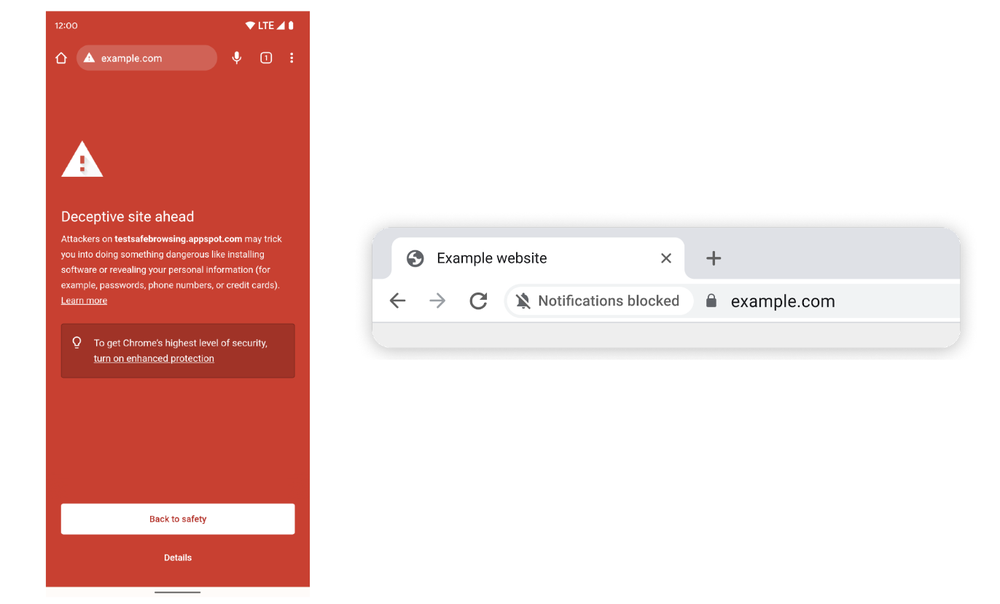
Google is integrating a machine-learning model into the Chrome browser to detect potential phishing attacks.
With upcoming on-device machine learning advancements in #Chrome, block unwanted notifications, translate more sites into your preferred language, and more.
Learn how we’re building a safer, more accessible and more personalized experience for you → https://t.co/3dbNPo4P15 pic.twitter.com/fFKWD3n6rv
— Chrome (@googlechrome) June 9, 2022
Según the data from developers, the algorithm identifies 2.5 times more potentially harmful sites and phishing attacks than the previous model. This provides a safer and more secure web-surfing experience, the company says.
Google also announced the integration of an AI model that disables sites’ requests to send notifications. According to the company representatives, the algorithm analyzes the user’s past actions and predicts the likelihood of granting such permissions.


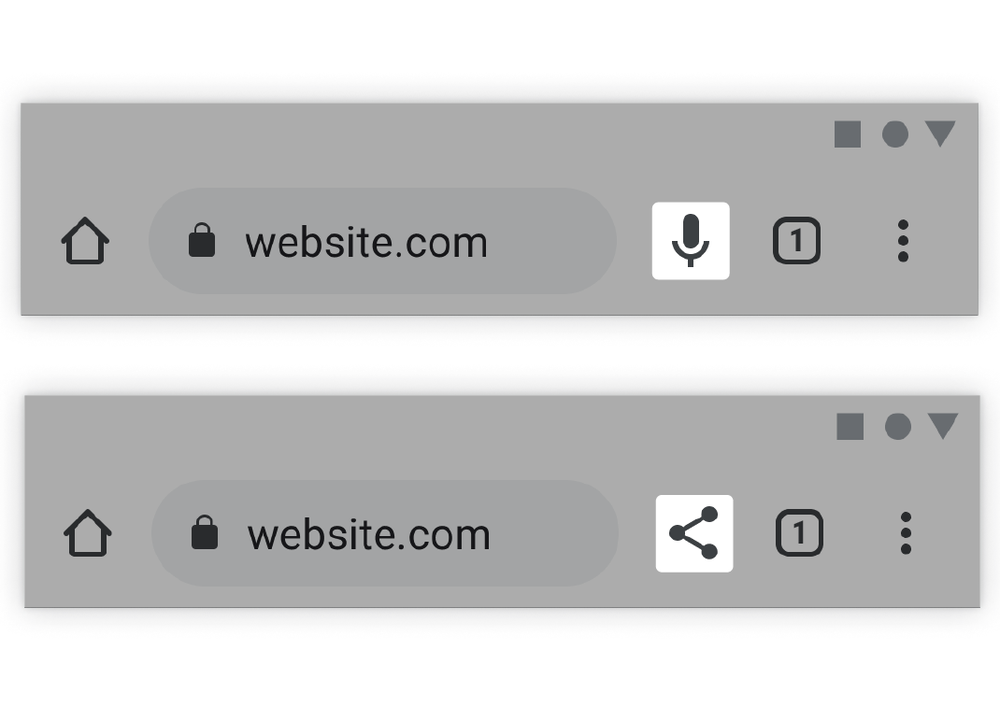
Another model is designed to optimise the toolbar in Chrome. Depending on the user’s actions, the browser will highlight interface elements that are most likely to be useful at the moment.


The features will appear in the next Chrome update. The company emphasised that machine-learning models will process requests directly on the user’s device.
In April, Chrome added the Google Lens text recognition feature.
In February, the browser developers fixed 27 vulnerabilities, including eight high-severity vulnerabilities.
Subscribe to ForkLog news on Telegram: ForkLog AI — all the news from the world of AI!