



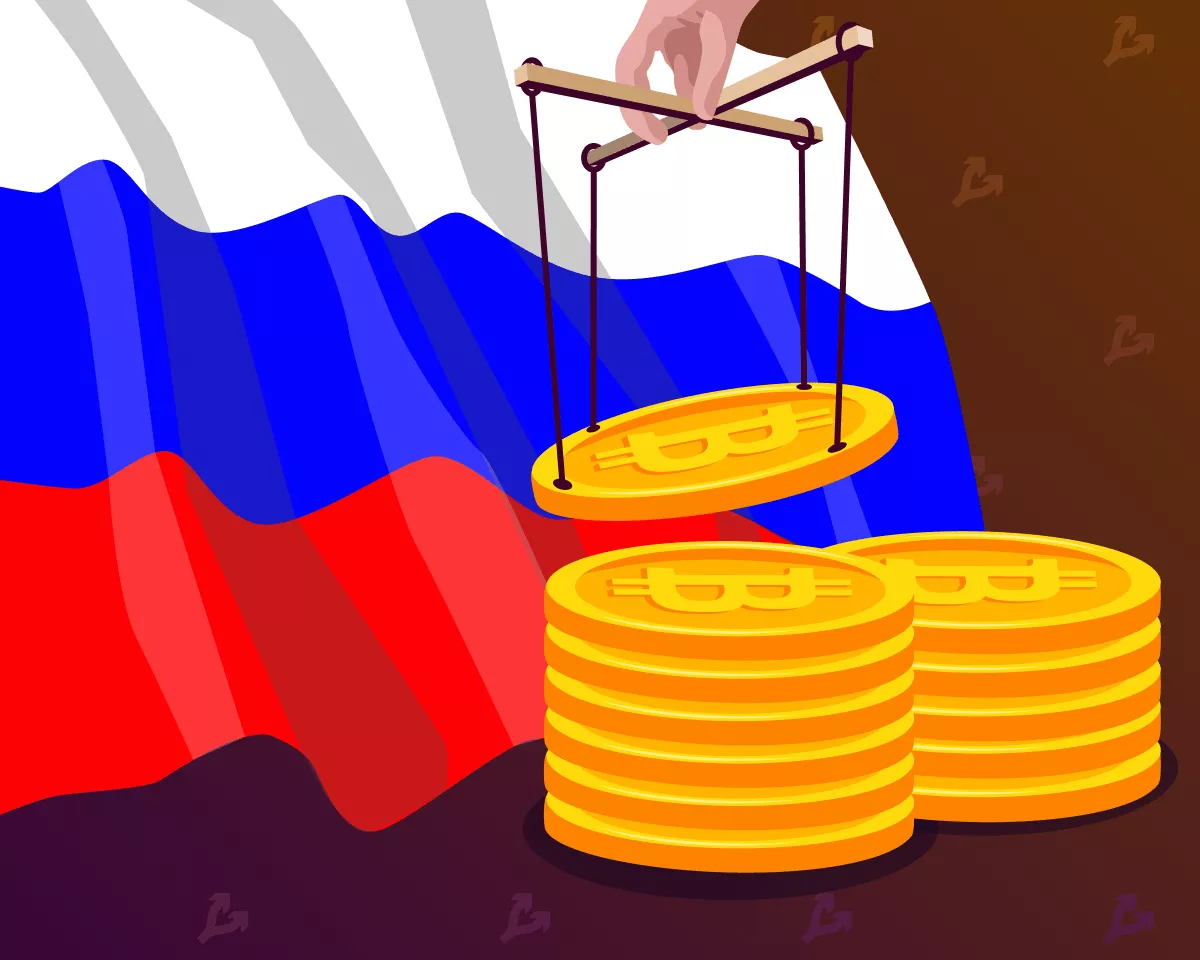
Owners of cryptocurrency wallets and accounts on Bitcoin exchanges may potentially fall under the supervision of the Russian Federal Tax Service (FNS) due to proposed amendments to the law “On Currency Regulation and Currency Control.” This is what ForkLog told interviewed experts.
On November 3, in the State Duma of the Russian Federation the bill was submitted, obliging citizens to report to the FNS on the use of foreign electronic wallets if their annual turnover through them exceeds 600,000 rubles.
In the explanatory note, the authors say the rule is aimed at minimizing risks in information security, countering money laundering and the financing of terrorism.
The current draft extends regulation to “electronic means of payment” and “foreign payment service providers” and does not contain a direct mention of digital assets.
Dmitry Kirillov, Senior Lawyer in the Russian tax practice at Bryan Cave Leighton Paisner LLP and lecturer at Moscow Digital School, believes that vague formulations may allow the amendments to be extended to cryptocurrency wallets and investment accounts on crypto exchanges in the future.
“Formally Bitcoin and Ethereum are not covered here, as they are not tied to states or to supplier companies. Theoretically, centrally issued crypto projects by corporations, such as USDT and XRP, could be affected.”
The expert noted that if desired, the bill could be directed against all cryptocurrencies by declaring their developers “suppliers.”
“In that case, there would arise an absurd for the crypto world division of currencies by nationality, approval of Russian developments, ban on foreign ones and an unclear situation with international teams,” explains Knyazev.
Foreign electronic wallets and digital currencies are currently undergoing convergence. Given the stance of Russian authorities on cryptocurrencies, lawmakers aim to cover cryptocurrency movements and users of crypto wallets as much as possible, says Sergei Troshin, head of the Six Nines data centre.
In his view, a dedicated software will track activity of holders of foreign wallets. Fines could operate automatically too.
“The problem with digital currencies lies in the need to convert and withdraw assets into national currencies. Presumably, it is at this stage that the system will impose fines,” Troshin suggests.
However, given the complexity and cost of launching such a system, there remains a chance that the idea cannot be implemented in practice, the expert adds:
“The stringency of the law will stay on paper, and fines will be imposed only in particularly egregious cases where large inflows/outflows are involved and where there is suspicion of income from criminal activity.”
This is not the first attempt by the state to regulate the turnover of digital cash, notes the Moscow Digital School expert Efim Kazantsev. A similar provision is contained in the Ministry of Finance amendments to the law “On Digital Financial Assets,” which takes effect on January 1, 2021.
They oblige Russians to notify the tax authority about using any electronic means of transferring digital currency, including domestic developments. The Ministry of Finance’s proposal is still under discussion.
“Sooner or later Russian citizens carrying out operations with digital currency will have to come out of the shadows and report to the tax authorities,” Kazantsev concludes.
Currently, violations of currency law for failure to report foreign bank account operations carry penalties of up to 10,000 rubles for individuals and up to 600,000 rubles for organizations. Responsibility for holders of foreign electronic wallets will be laid out in the Administrative Code in addition.
“The penalties for individuals are not catastrophic, but they are unwelcome, so crypto investors should consider filing reports to the tax authorities in advance,” Dmitry Kirillov notes.
Experts expressed hope that the document would be thoroughly refined before it is considered.
As a reminder, since August 3, users of Yandex.Money, Qiwi Wallet, WebMoney, PayPal, VK Pay and other services are prohibited from making cash deposits anonymously through payment terminals and operator offices. To top up a card, they must identify themselves and link a bank account to the wallet.
Then experts stated that the rule would not affect the Russian p2p market.
In March 2019 the State Duma adopted amendments to the law “On the National Payment System,” prohibiting cash withdrawals from anonymous bank cards and electronic wallets.
Since 2017, cross-border transfers on behalf of individuals without opening a bank account have been banned in the country.
Subscribe to ForkLog news on Telegram: ForkLog Feed — the full news feed, ForkLog — the most important news and polls.