



Decentralised science (DeSci) is a movement that brings together researchers, philanthropists and Web3 enthusiasts to build a level playing field for creating, verifying, storing and disseminating knowledge, underpinned by transparent funding of scientific discovery.
DeSci borrows the best from other decentralised strands. From ReFi it takes a more diverse mix of funding sources: DAOs, quadratic funding, crowdfunding and more. It also benefits from blockchain and its tools: utility tokens, IP-NFT and SBT, which in turn make research more transparent and responsive to community demand. Sergei Golubenko explains.


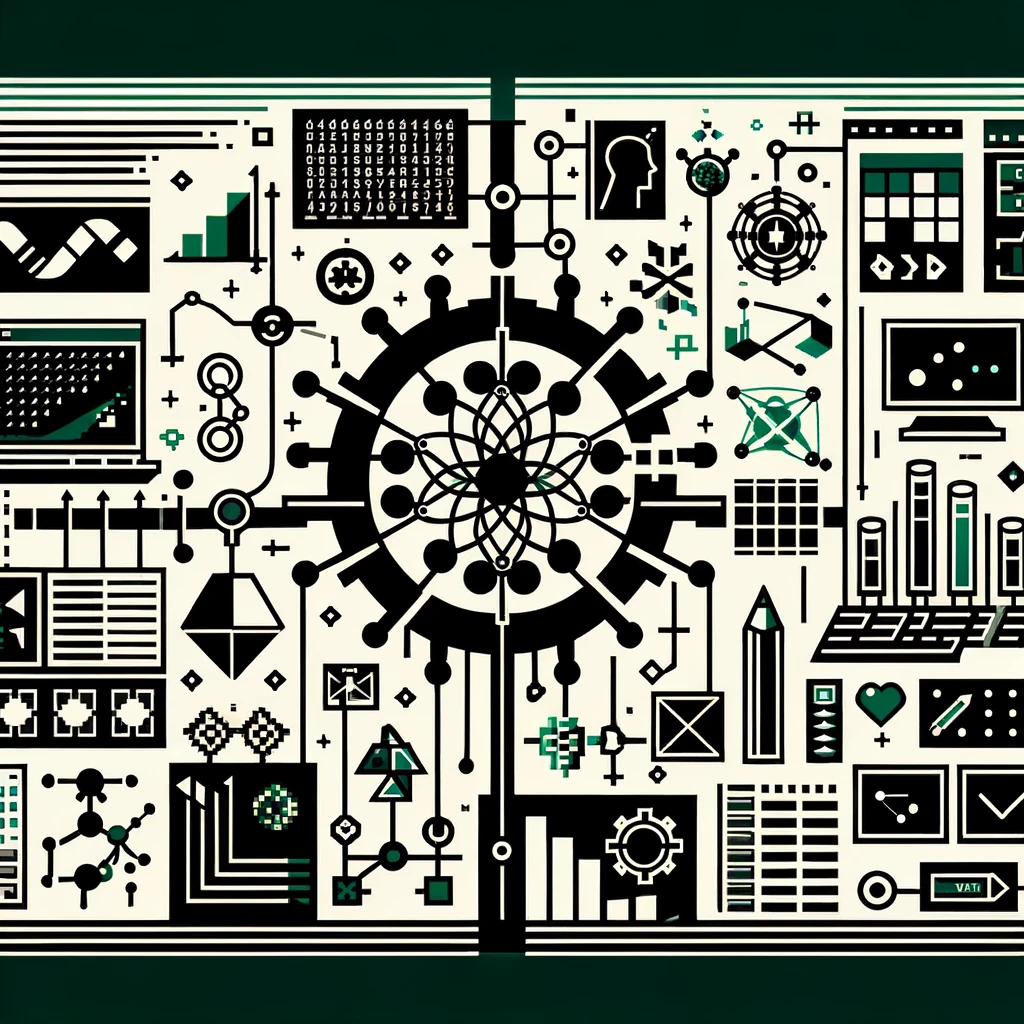
DeSci aims to build an ecosystem akin to DePIN, in which scientists, investors and the public advance knowledge together. Researchers share discoveries openly, investors earn returns, and citizens can make money by helping to scale studies.
A significant step in the evolution of research came in 2012 with The Open Science internet movement, which promoted open access to knowledge and information. The idea of “open science” took time to coalesce. The movement gathered momentum from about 2015; milestones included initiatives such as Future of Open Science, the Open Access Movement and the Open Data Movement. In 2021, already using blockchain, participants in The Open Science sold their first NFT for 13 ETH, a notable sum for a nascent niche.
Reliance on donations, however, first slowed progress and later fostered a situation in which journals demanded significant payments from authors and institutions to use their platforms. That spawned legal troubles and led some information resources to suspend operations.
With the rise of Web3’s decentralised infrastructure, there is a chance to correct earlier shortcomings. One of the first to outline DeSci’s concept was the American philosopher David Koepsell, who described it in 2022.
Why it matters
To understand what decentralised science seeks to achieve, it helps to see what it is up against. These are some common problems researchers face:
- publisher monopolies. Journals live off subscription sales, so editors favour the most striking and newsworthy studies. Many even charge authors to publish.
- funding shortfalls. Scientists depend on government grants or private sponsors, and competition is fierce. Instead of focusing on research, they must spend precious time chasing money.
- information gaps. Competitive culture can encourage secrecy in the race for novelty and future credit. That slows progress and wastes millions of dollars on duplicative experiments.
These obstacles hobble the evolution of human knowledge. Pooling resources could make progress simpler and faster. DeSci offers several advantages:
- streamlined publishing. Blockchain-based peer review can remove the bottlenecks above. When smart contracts are combined with research DAOs, they can autonomously execute various stages of article publication.
- reputation systems. This is another key element that suits blockchain, where records are verifiable and immutable. SBT can attest to participants’ reputations. With smart contracts, information about a successful publication or its review becomes available quickly on relevant resources.
- crowdfunding. Collective funding is native to blockchain, so some DeSci projects are building out tokenomics. Participants can own a stake in a project rather than depend on publishers, governments or corporations.
- intellectual property. NFT technology helps researchers formalise IP rights and receive due credit. It also enables shared data access for different teams.
- data transparency and censorship resistance. DeSci platforms provide access to information from anywhere, at any time. Because blockchain data cannot be deleted, censorship is minimised. The same setup eases collaboration across teams and organisations.
Projects to watch
Structurally, DeSci today is a constellation of DAOs, with a tilt towards biotechnology. They tackle peer review, open data and funding, and help knit organisations into an ecosystem. A few examples follow.
A marketplace for research funding that builds an ecosystem connecting scientists and investors. The former secure capital; the latter get an investable proposition.
The firm uses a new type of non-transferable NFT (IP-NFT) as a way to tokenise scientific research. It functions like a patent and serves as a contract between investor and researcher. Tokens can be split for shared ownership and used as collateral for lending.
This DAO researches human longevity and uses the VITA token. Within Molecule’s ecosystem it holds a leading position with a fund of about ~$9m, offering peer review and reputation systems. Authors can work independently of journals via the platform. Since launch, VitaDAO has sponsored 22 projects.
The second-largest project by fund size in Molecule, with more than $3m. It researches hair loss, bringing together patients and scientists. Unlike VitaDAO, it lists only one completed project, allocated a little over $100,000. It has a governance token, HAIR.
It helps collect user data and organises funding in ways that benefit all parties. Both research teams and businesses can access the resulting information. The DAO is part of Ocean Protocol, a project popular in the crypto community at the intersection of AI and data, with the OCEAN token.
A platform tackling genetic diversity. The team plans to use users’ genetic information, rewarding them financially. The data will feed a genetic database with encrypted access to a donor’s DNA, using AMD cryptography. The platform has two tokens: GENE and GNOME.
Many other teams are active in DeSci’s biotech niche, including PsyDAO, Phage Directory, LabDAO and SCINET.
For a deeper look at projects across DeSci, see the Research Hub — a platform for researcher collaboration that styles itself as a GitHub analogue. It was created by Coinbase founder Brian Armstrong, who invested 2% of his exchange stake in it.
Drawbacks
DeSci has weaknesses:
- funding. Researchers still rely on individuals, crowdfunding platforms or other sources.
- quality control. Without supervisory bodies the risk of poor-quality publications is high. Some bad actors could mislead the community and misappropriate grants. Bridges between DeSci and traditional science could help assess quality by instituting expert review.
- lack of expertise. Those without domain knowledge will struggle to navigate decentralised science. Because anyone can participate, quality and accuracy may fall short of traditional science.
- legal uncertainty. As DeSci uses tokens and DAOs, shifts in global crypto regulation could threaten the movement.
Conclusions
In sum, DeSci seeks to help science by using blockchain’s infrastructure layer and its advantages. Its potential is noted not only by enthusiasts but also by crypto-industry leaders. Ethereum’s creator, Vitalik Buterin, described DeSci as a set of ideas arising from the question: “In what ways can new open decentralised technologies make science better?”
Overall, DeSci is heterogeneous, with efforts ranging from theory to large-scale technological experiments backed by major organisations. This enables open university research to exist.
With blockchain, scientists and researchers can store and share data securely and privately. For now, DeSci remains experimental, aiming to make the scientific sphere accessible and transparent.